
Portable Power Stations for Home and Mobile Backup
Explore practical LiFePO4 portable power options for home backup, small shops, mobile work and selected off-grid loads. CVC Energy helps distributors and importers source suitable models from China.
Portable Power Use Cases for Your Customers
Portable power is easiest to sell when the end use is clear. Match capacity, output and charging method to the customer load before quotation.
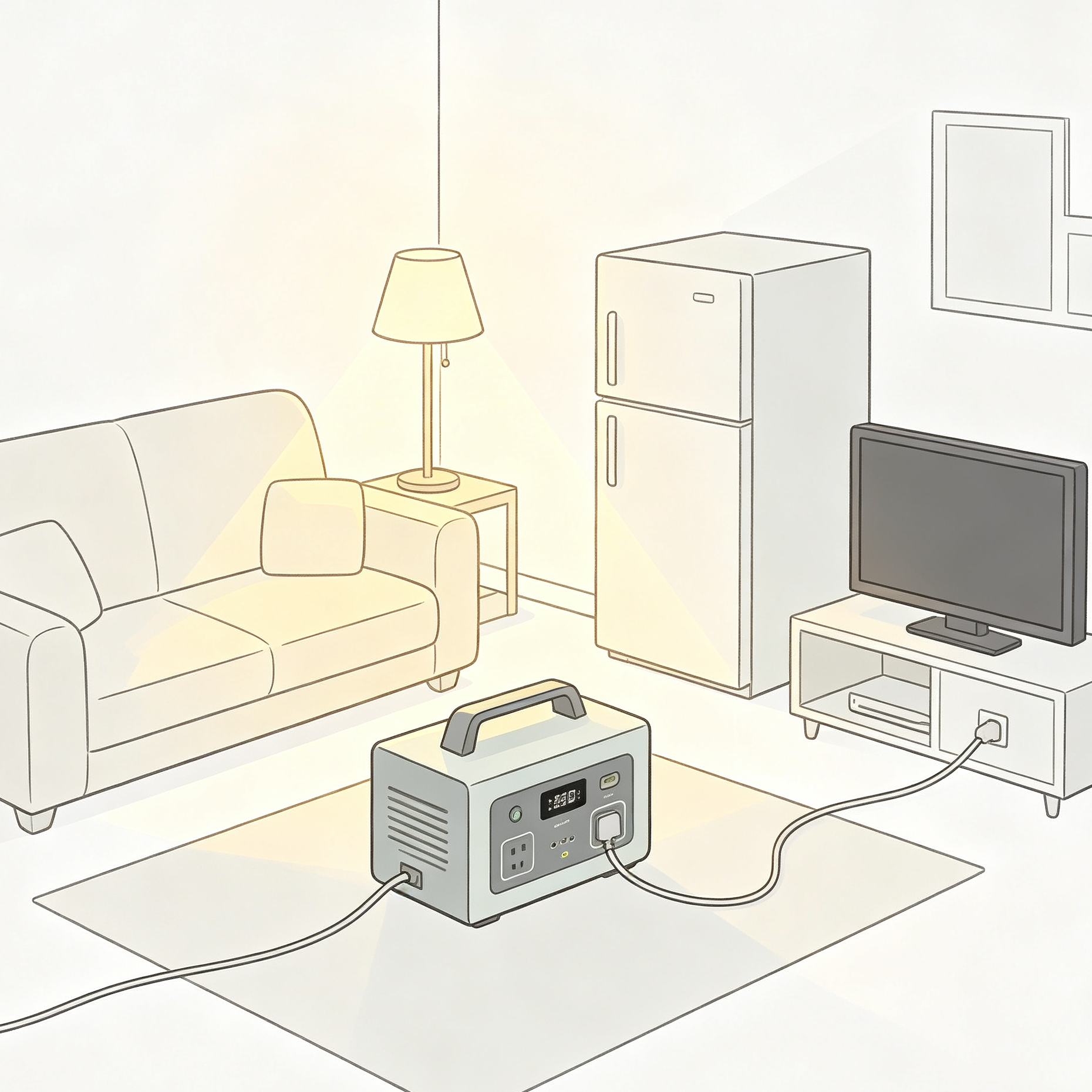
Home backup
Support selected loads such as lights, routers, fans and phones during short interruptions.
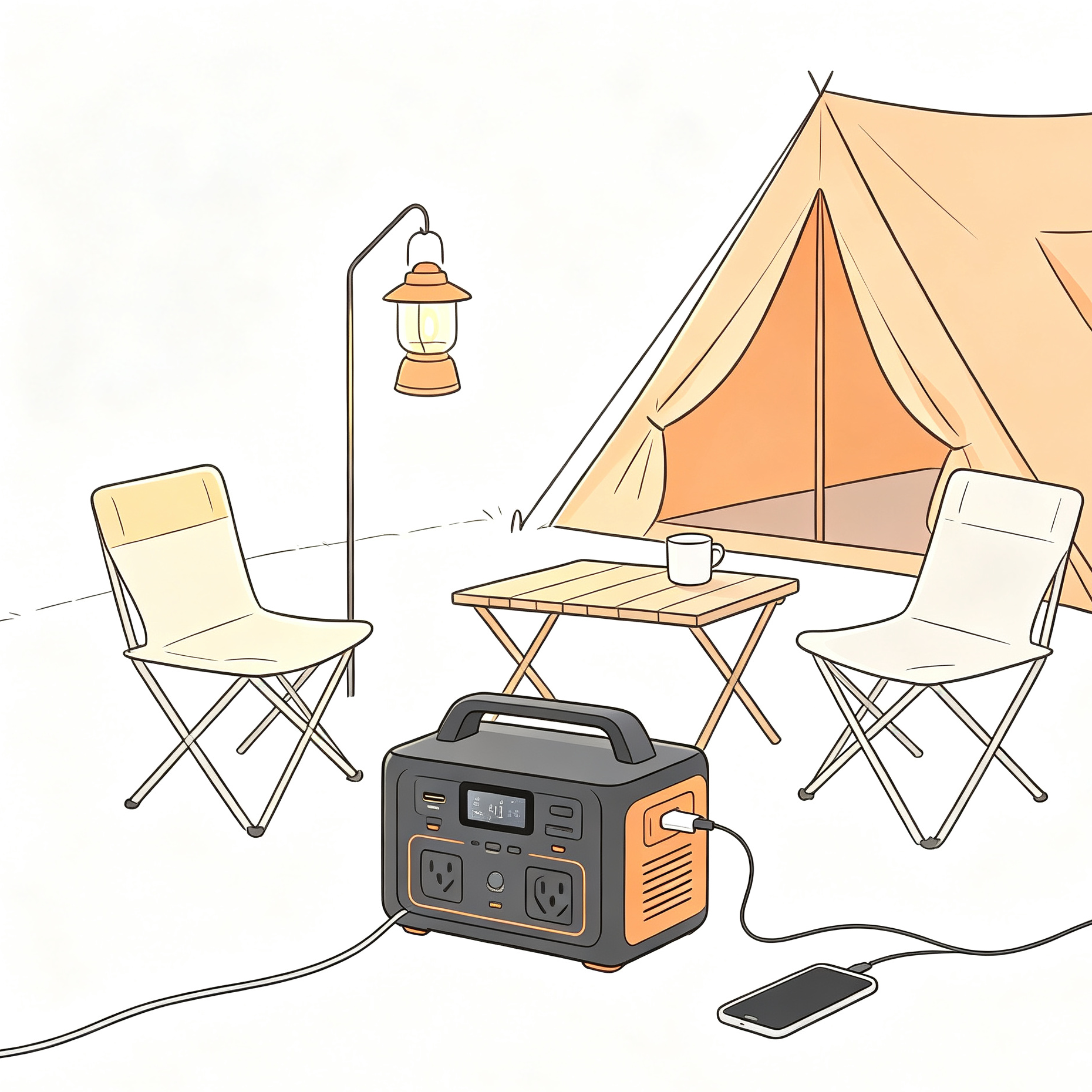
Small shop and mobile work
Keep selected POS, router, laptop and field-service loads supported away from a fixed power system.
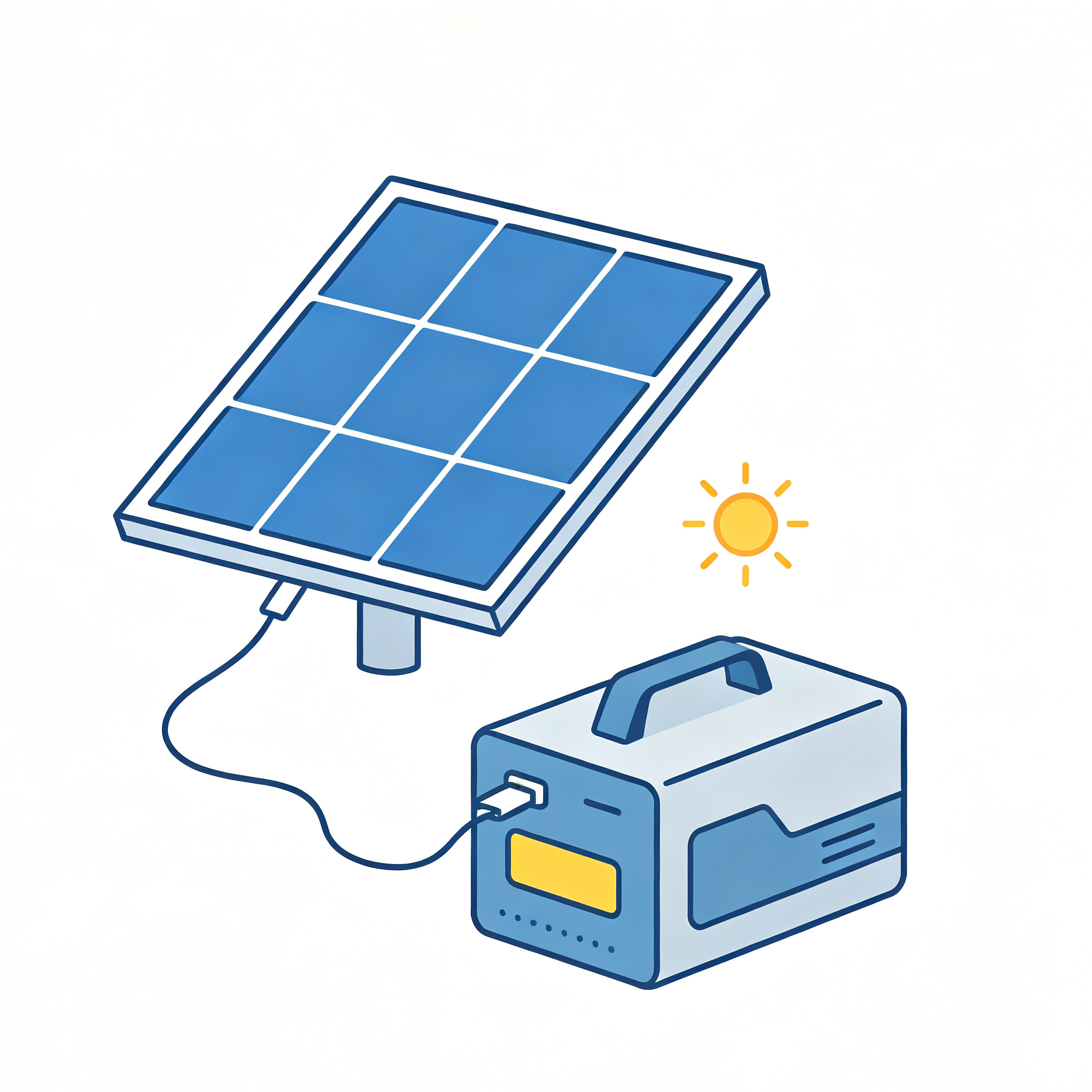
Small off-grid loads
Use a matched battery, inverter and charging configuration for selected small off-grid loads.
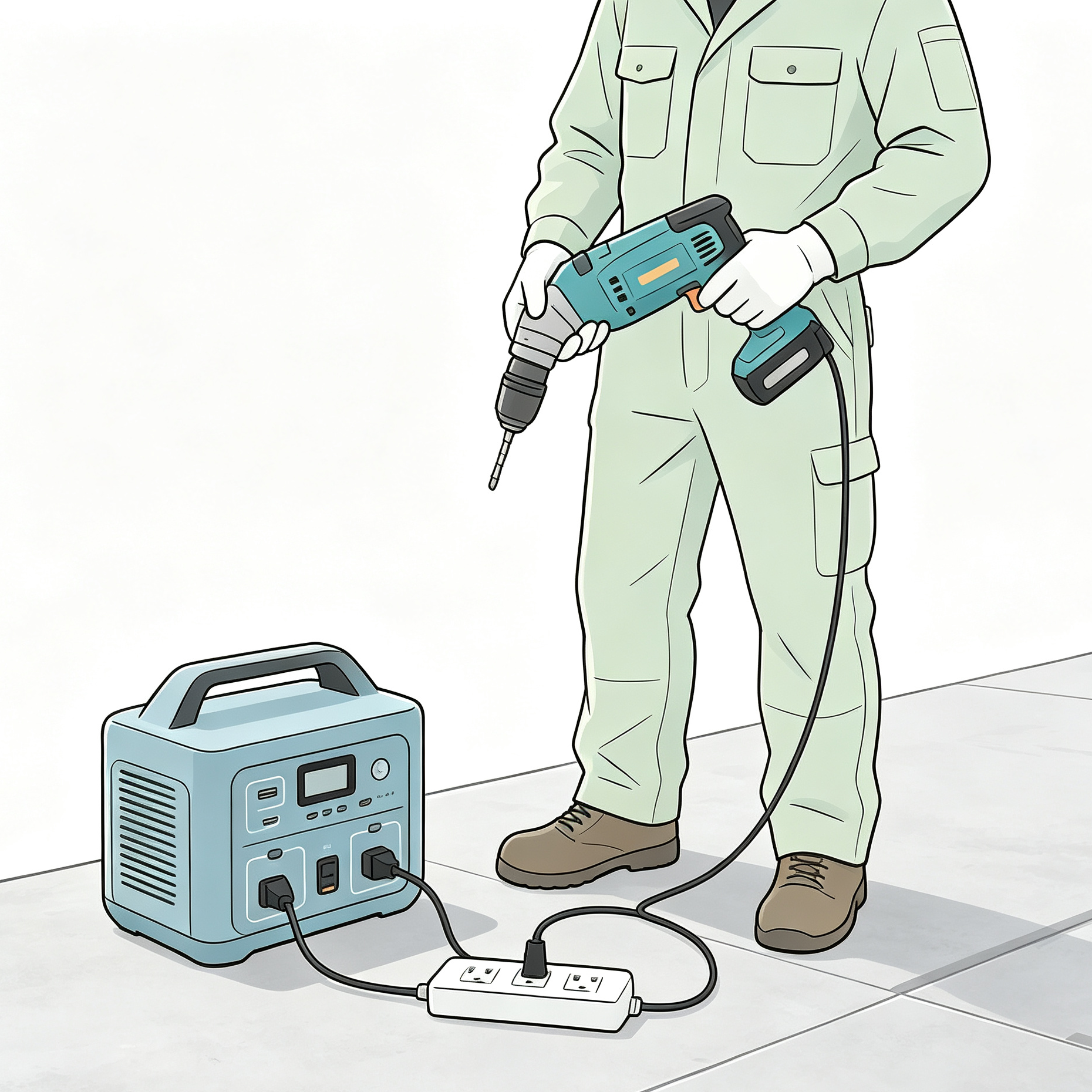
Outdoor and travel use
Provide flexible power for travel, outdoor work and sheltered leisure settings.
Home Batteries for Solar Backup and Expansion
Help customers compare battery platforms by the load they need to support, the inverter they already use and the way the system may grow later.
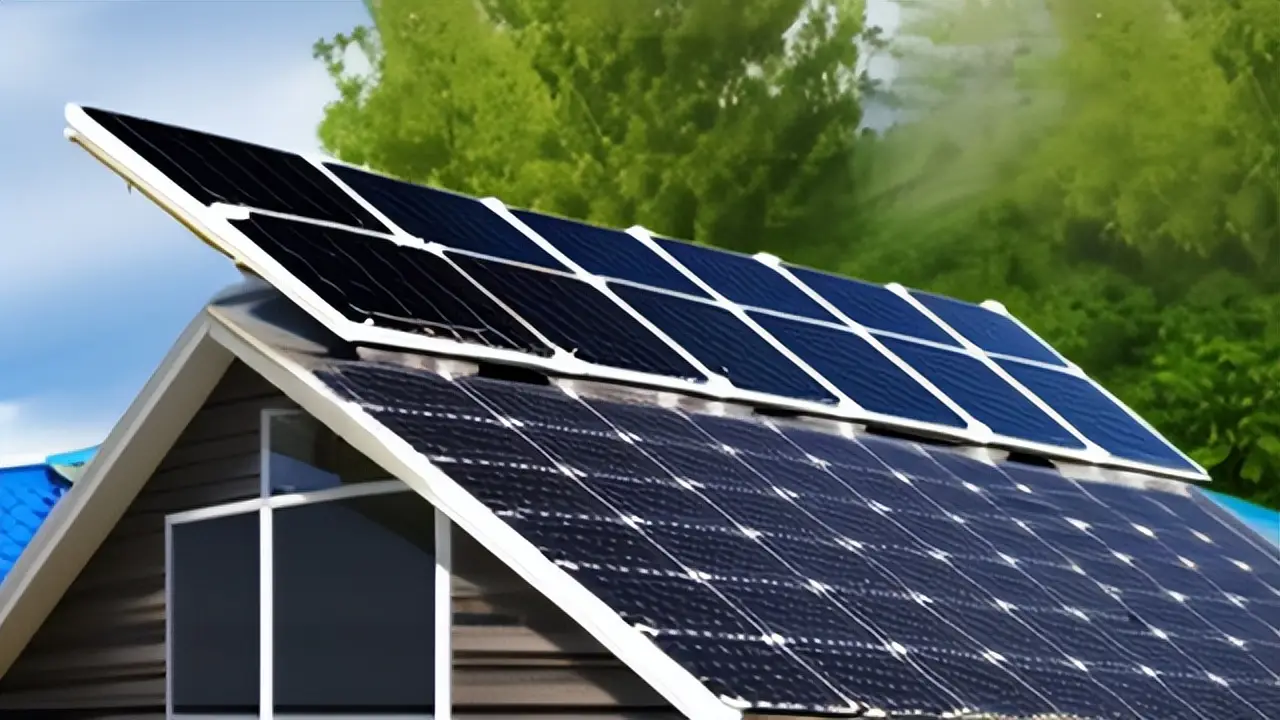
Solar self-consumption
Store daytime solar energy for evening use and reduce reliance on grid power.
Home backup
Support selected household circuits with a battery sized for the required backup load.
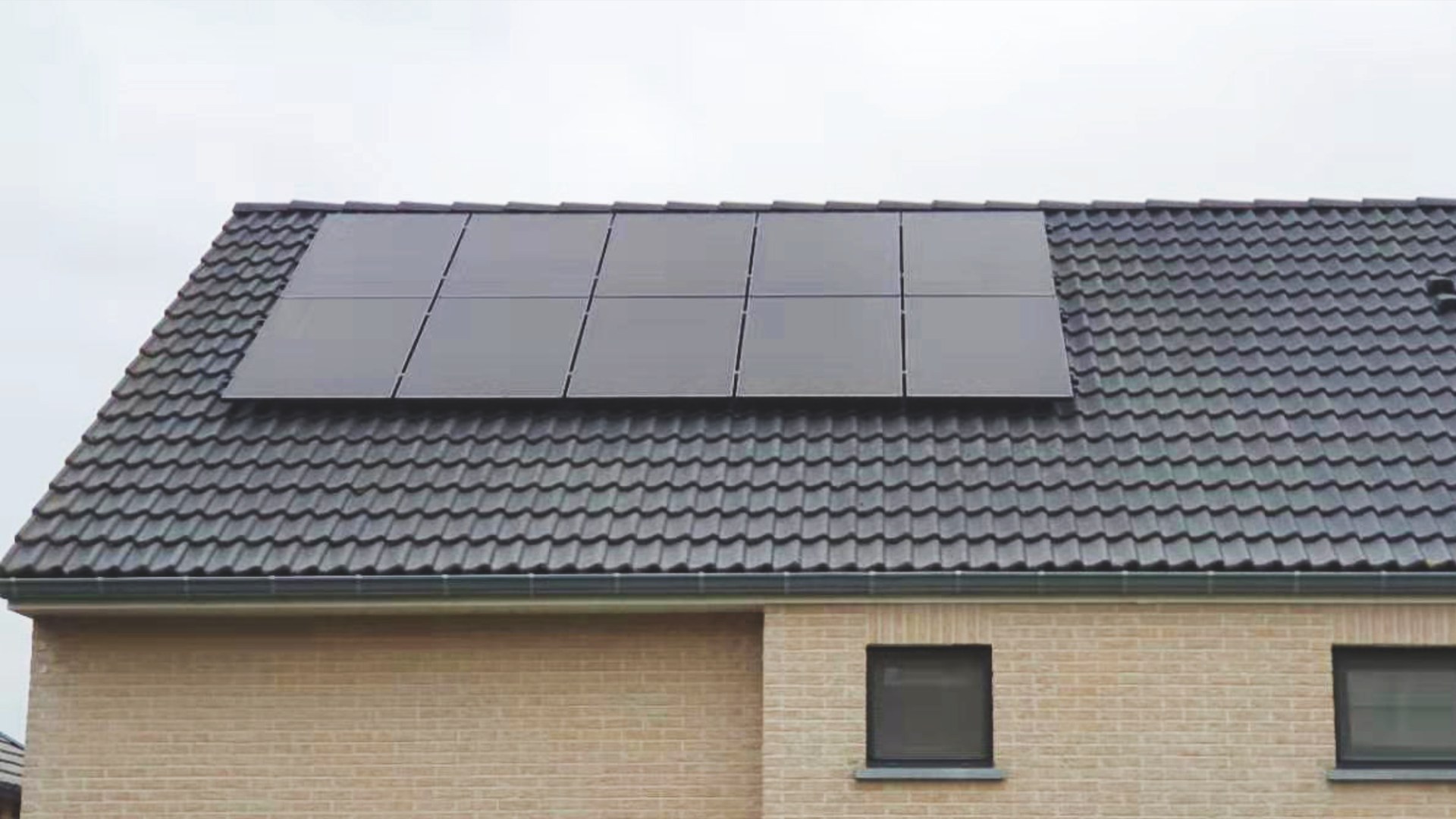
Scalable residential systems
Offer wall-mounted, floor-standing or high-voltage platforms as household capacity grows.

Channel-ready product ranges
Build a practical range with clear voltage, capacity, installation and service choices.
Hybrid Inverters for Solar, Backup and Off-Grid Loads
Help customers compare inverter systems by operating mode, phase, power, PV input, battery coupling and communication—not by interface or kW alone.
Solar self-consumption
Match PV input, battery charging and household load timing for daily solar use.
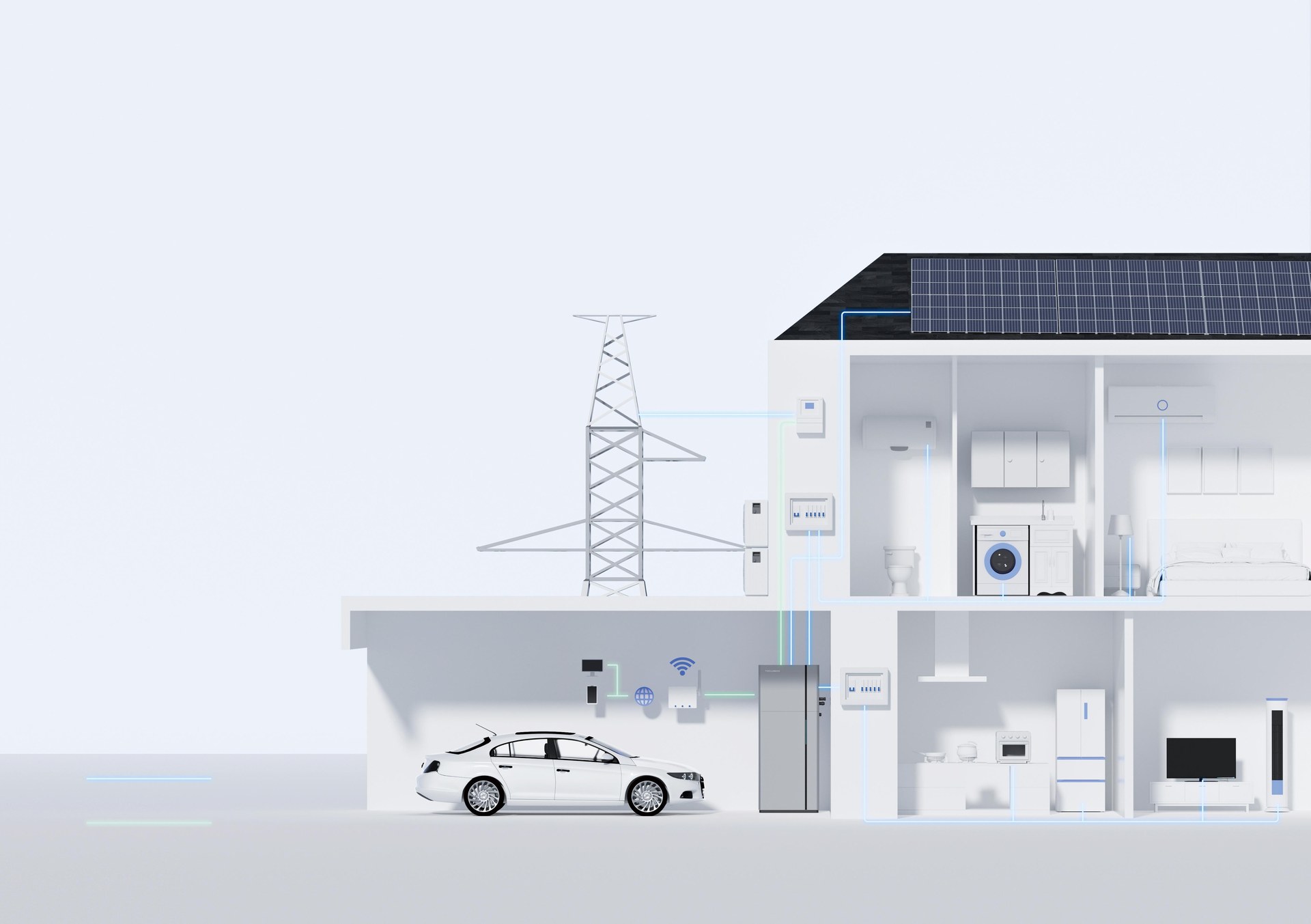
Home backup
Confirm backup circuits, transfer behavior, battery voltage and required output power.
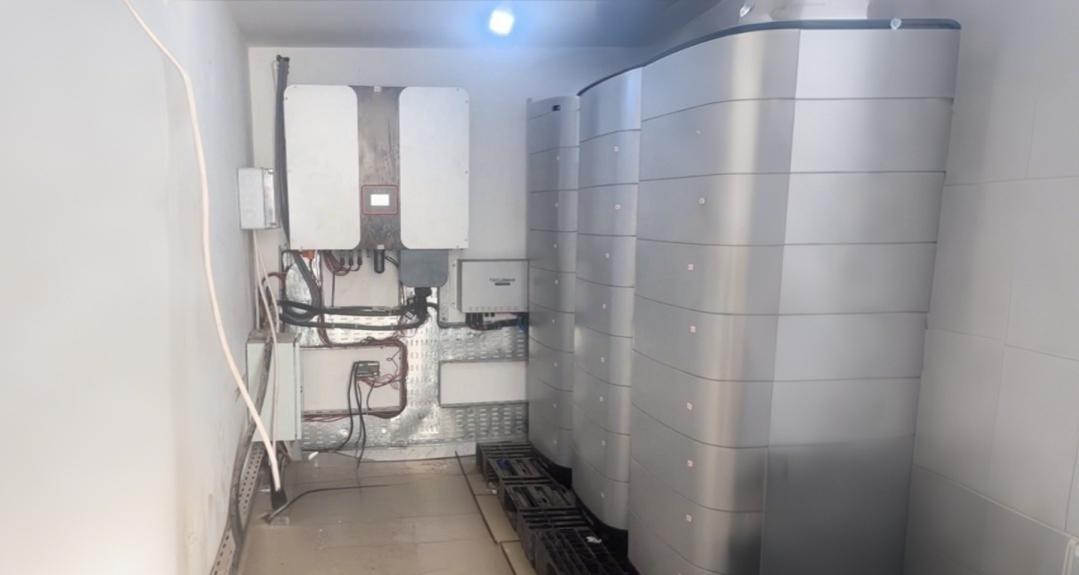
Small commercial loads
Check three-phase requirements, peak load, operating mode and generator access.
Off-grid and mixed power
Coordinate PV, battery, generator and load priorities for sites with changing power conditions.
Compact standby power supply for home, shop, outdoor use and mobile work. It can support selected emergency loads such as lights, fans, telephones, routers, televisions and POS equipment. Before quotation, confirm the target loads and runtime, continuous and surge power, UPS or transfer requirements, solar input, and the required documents or sample route.
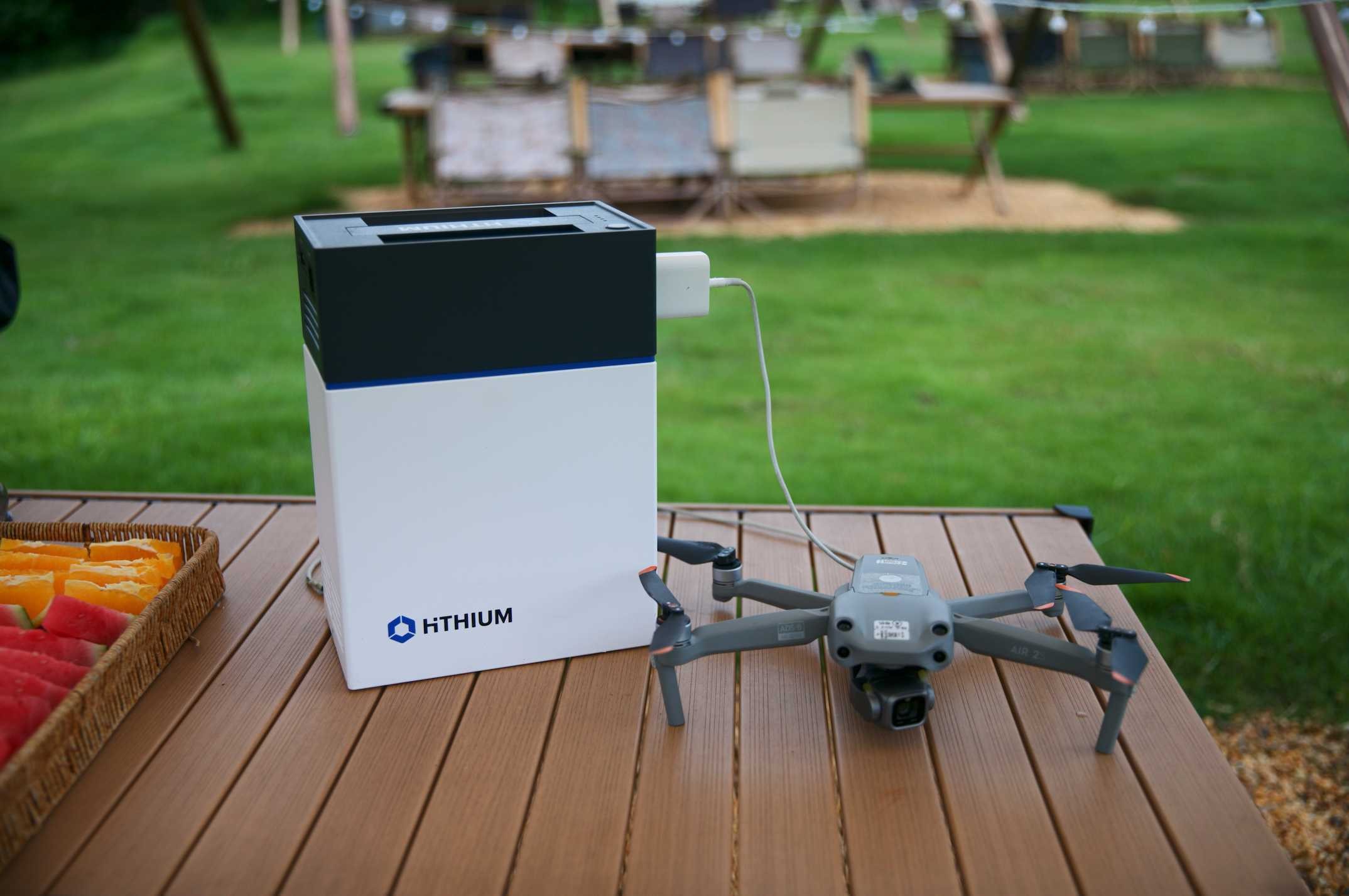
HeroEE 1 Portable Power Supply
- Capacity
- 1004.8Wh
- Output
- 200W
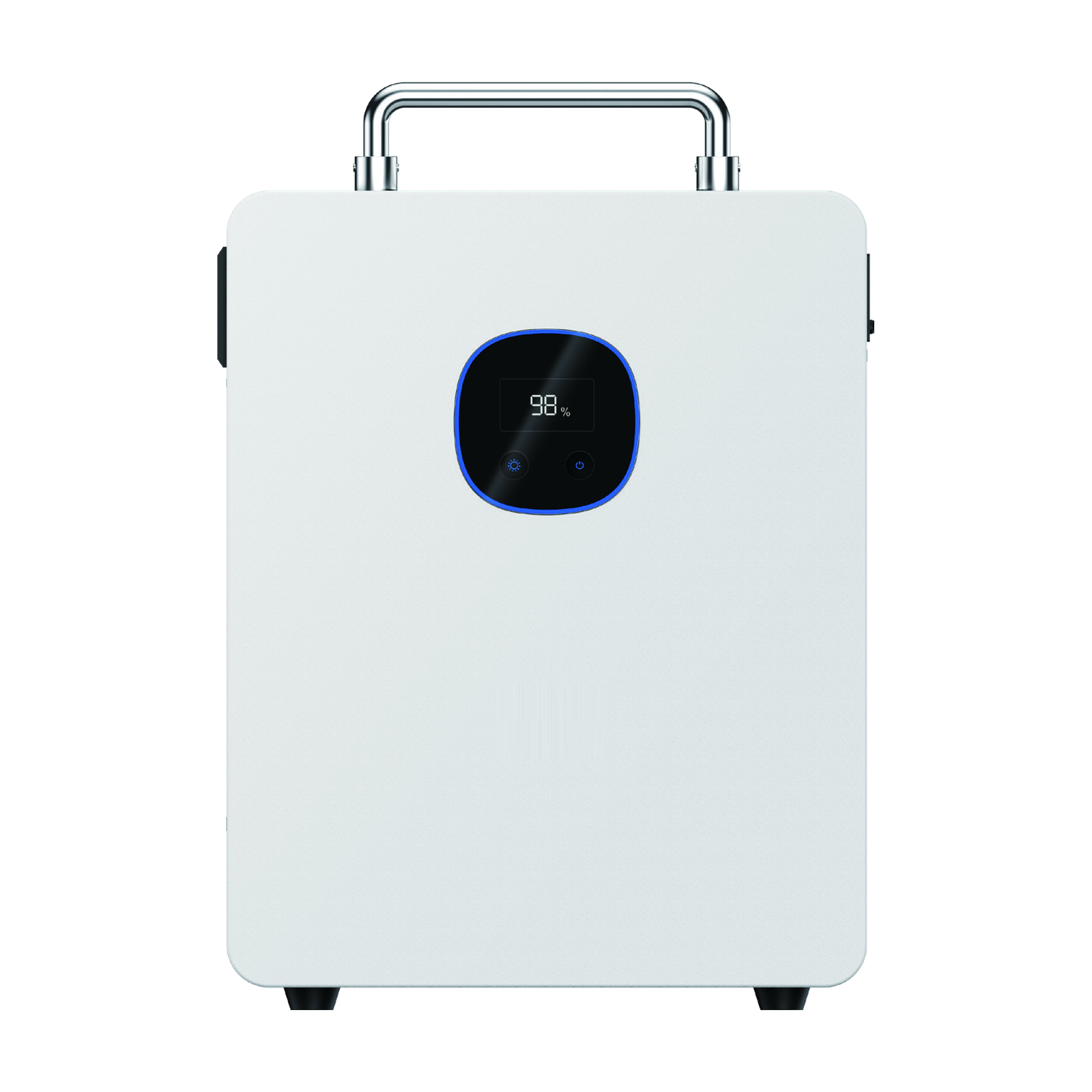
IESS-05K10N Portable Power Tank
- Capacity
- 896-1004.8Wh
- Output
- 500W
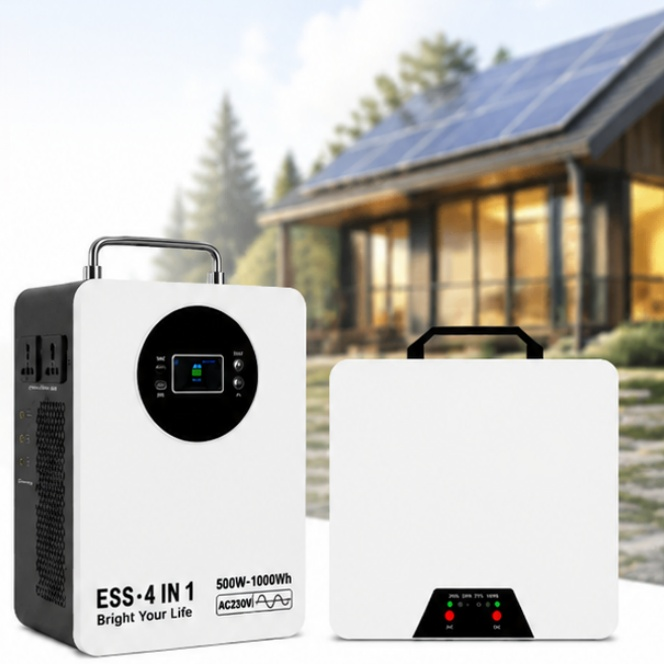
ES-SXCN500 Portable Energy Storage System
- Capacity
- 896-1004.8Wh
- Output
- 500W
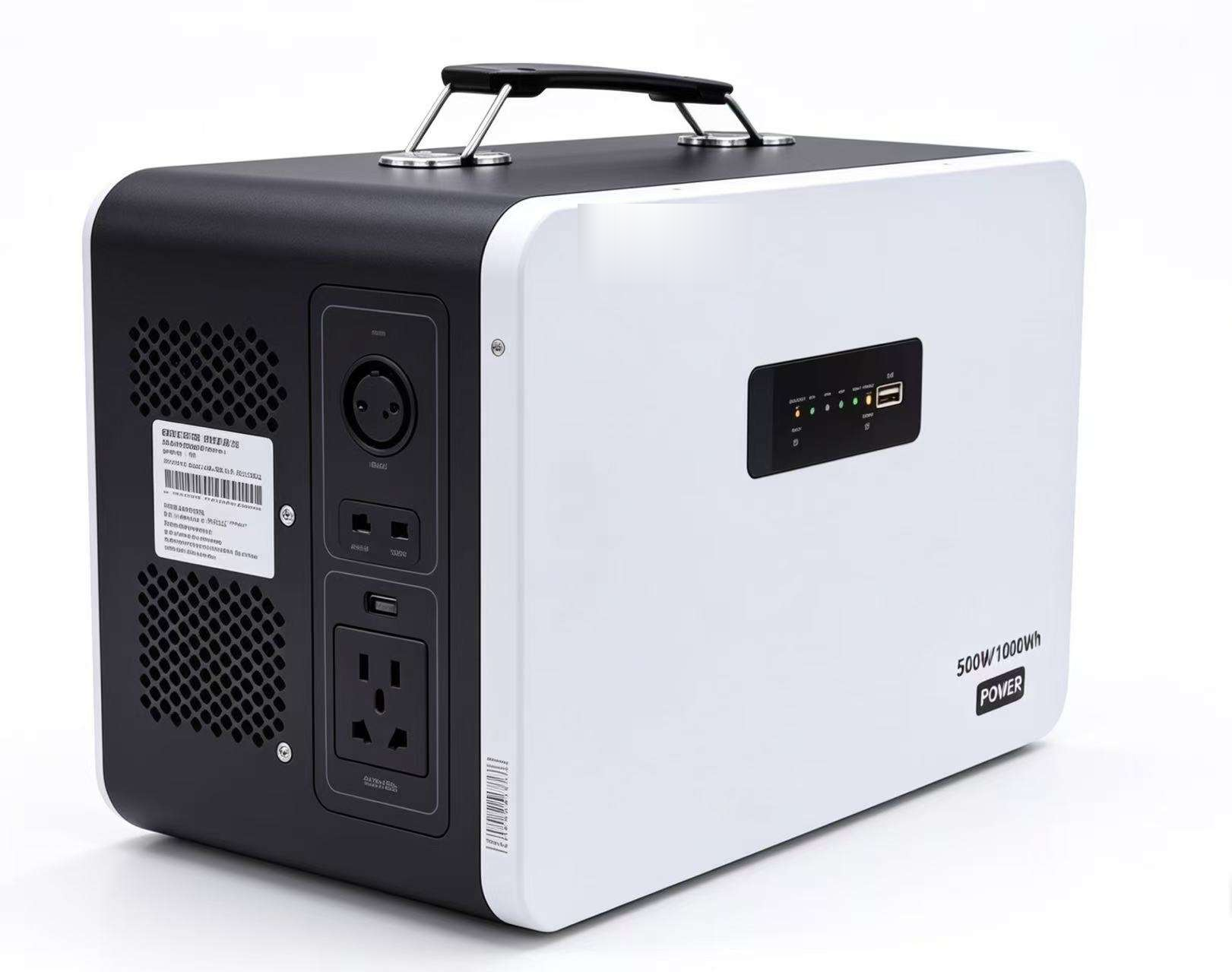
REVO MP 1000Wh Mobile Power Supply
- Capacity
- 1000Wh
- Output
- 500W
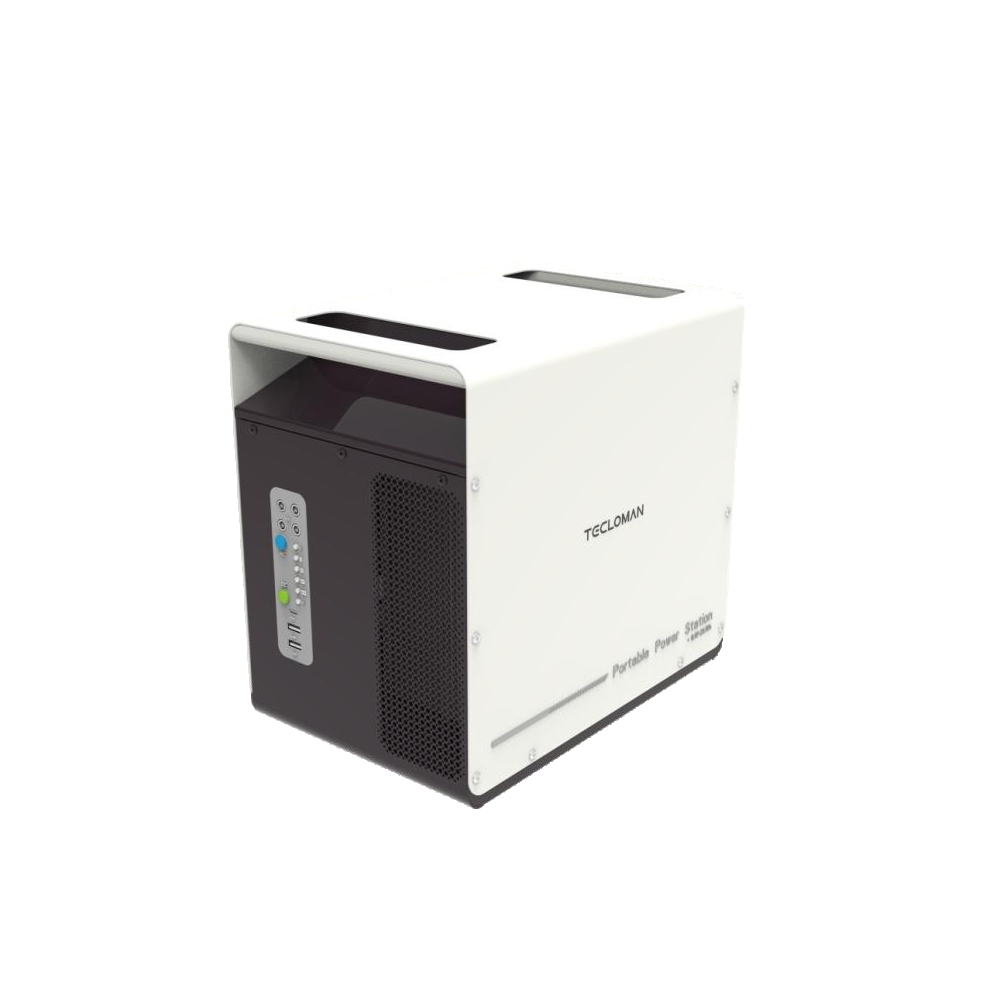
APEXC-GS1020 Portable Power Station
- Capacity
- 2000Wh
- Output
- 1000W
Firefly OS-RESS All-in-One Home Energy Storage System
- System
- All-in-one
- Battery
- LiFePO4
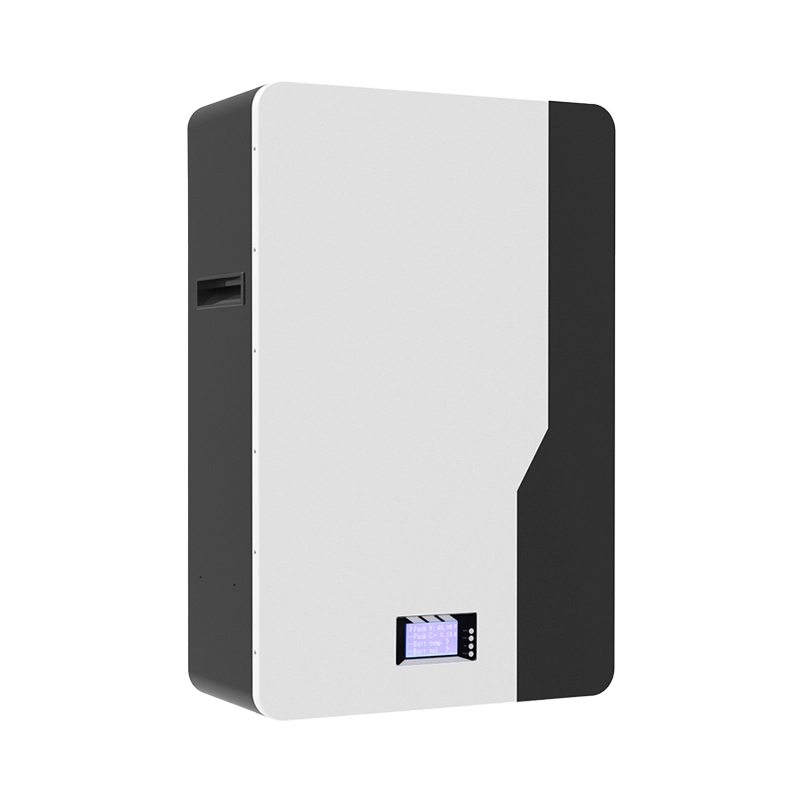
M16S100BL-V
- Capacity
- 5.12kWh
- Voltage
- 51.2V
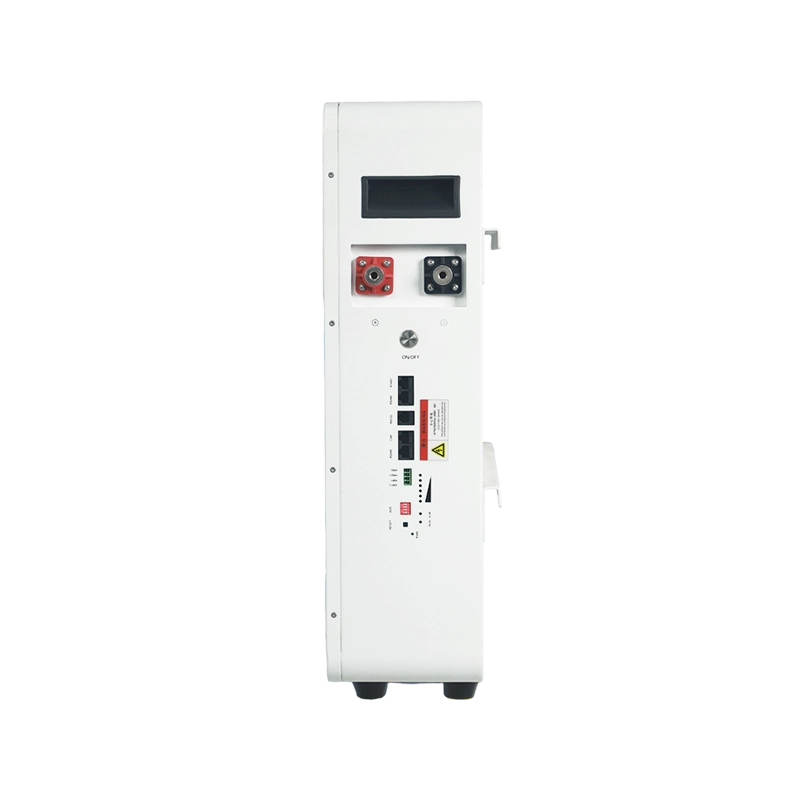
M16S100BL-V2
- Capacity
- 5.12kWh
- Voltage
- 51.2V
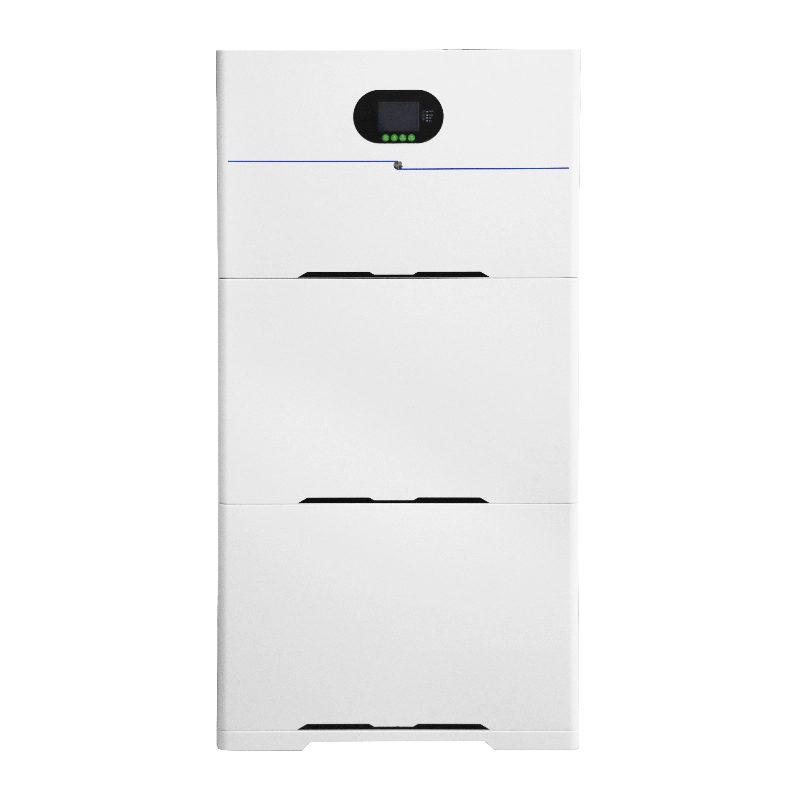
M15S280BL-V
- Capacity
- 13.44kWh
- Voltage
- 48V
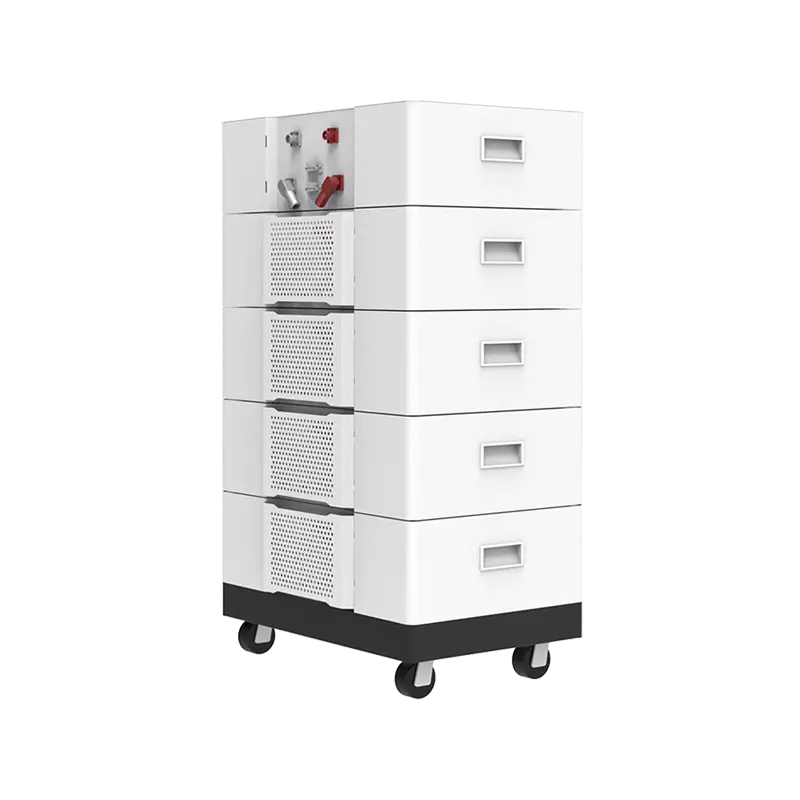
HVM15-120S100BL
- Capacity
- 15.36kWh
- Voltage
- 48-384V
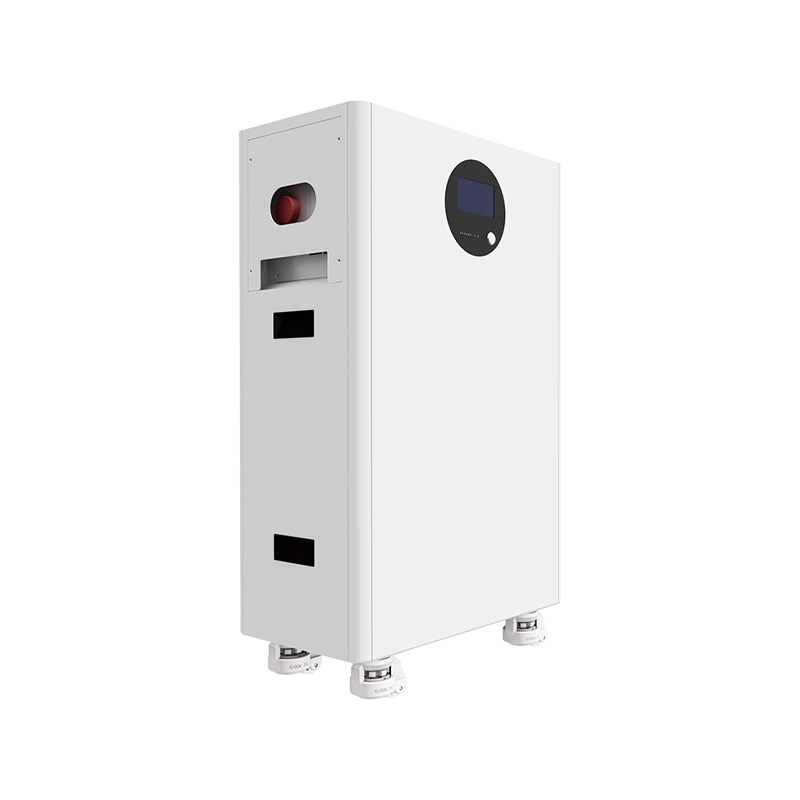
WT-M16S280BL-F
- Capacity
- 14.336kWh
- Voltage
- 51.2V
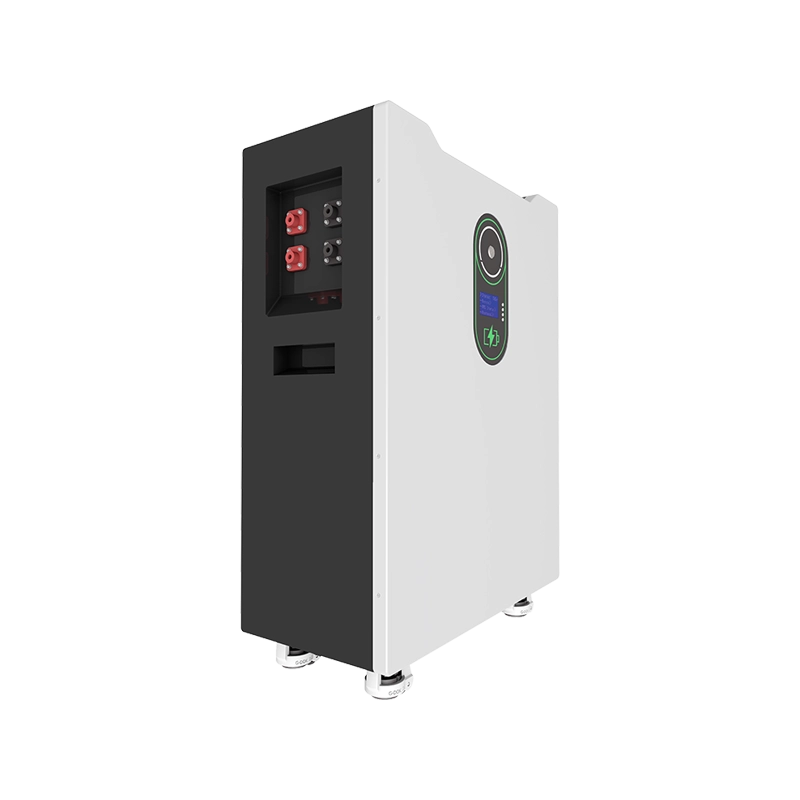
BW-M16S280BL-F
- Capacity
- 14.336kWh
- Voltage
- 51.2V

M16S100BL-V1
- Capacity
- 5.12kWh
- Voltage
- 51.2V
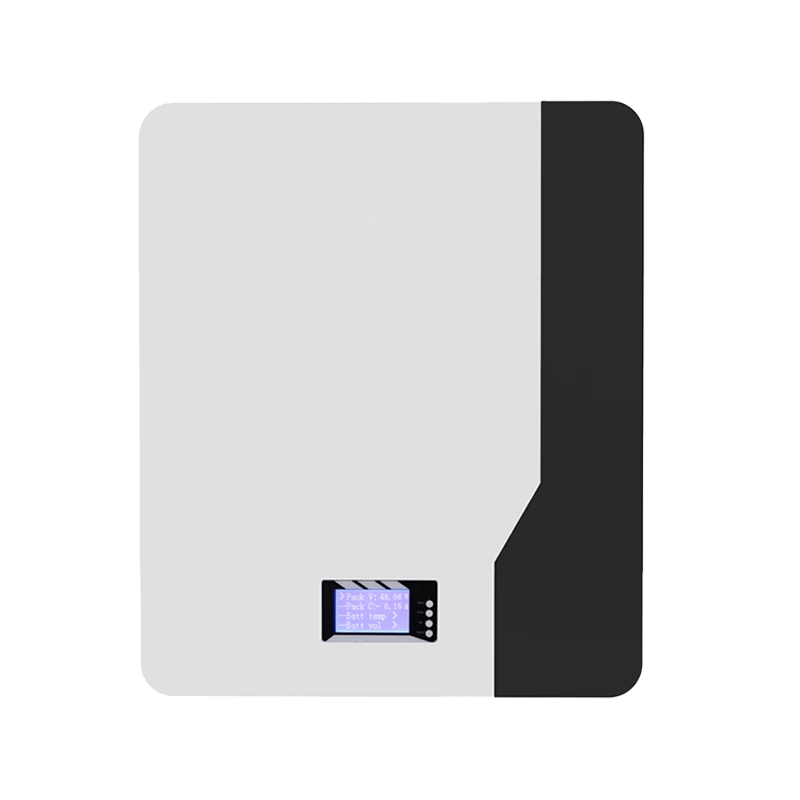
M15S100/200BL-V
- Capacity
- 4.8/9.6kWh
- Voltage
- 48V

M08S100BL-V1
- Capacity
- 2.56kWh
- Voltage
- 25.6V
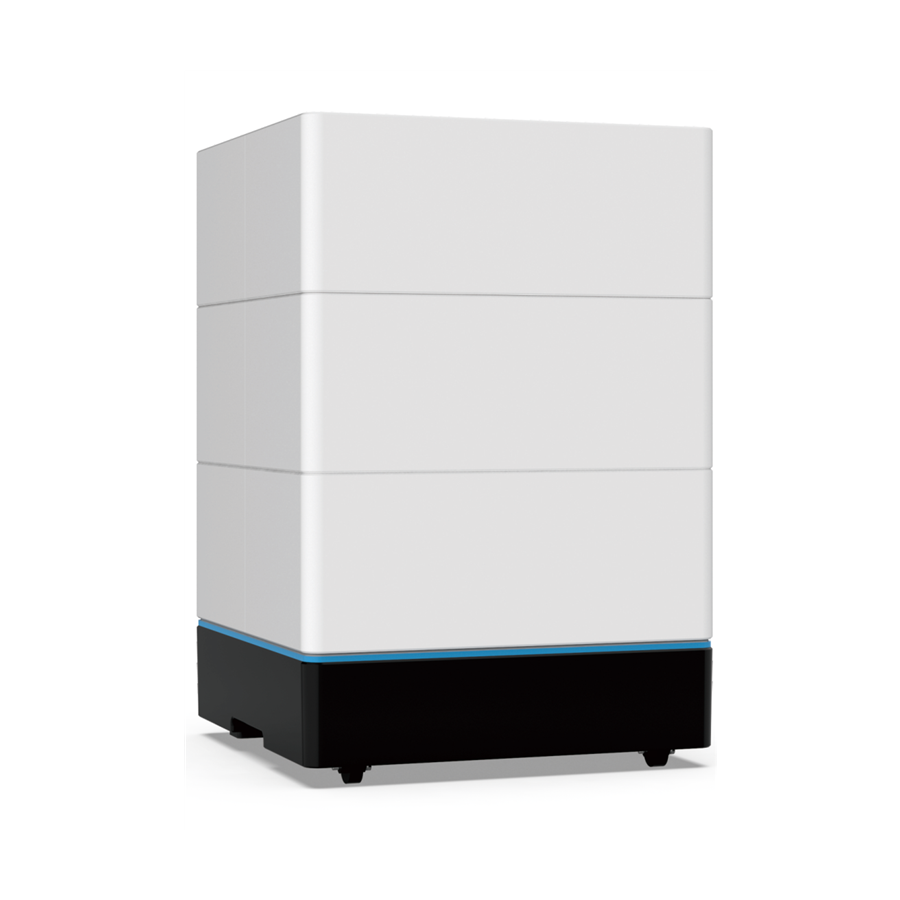
Firefly Low Voltage Home Battery
- Capacity
- 3.6-14.4kWh
- Voltage
- Low voltage
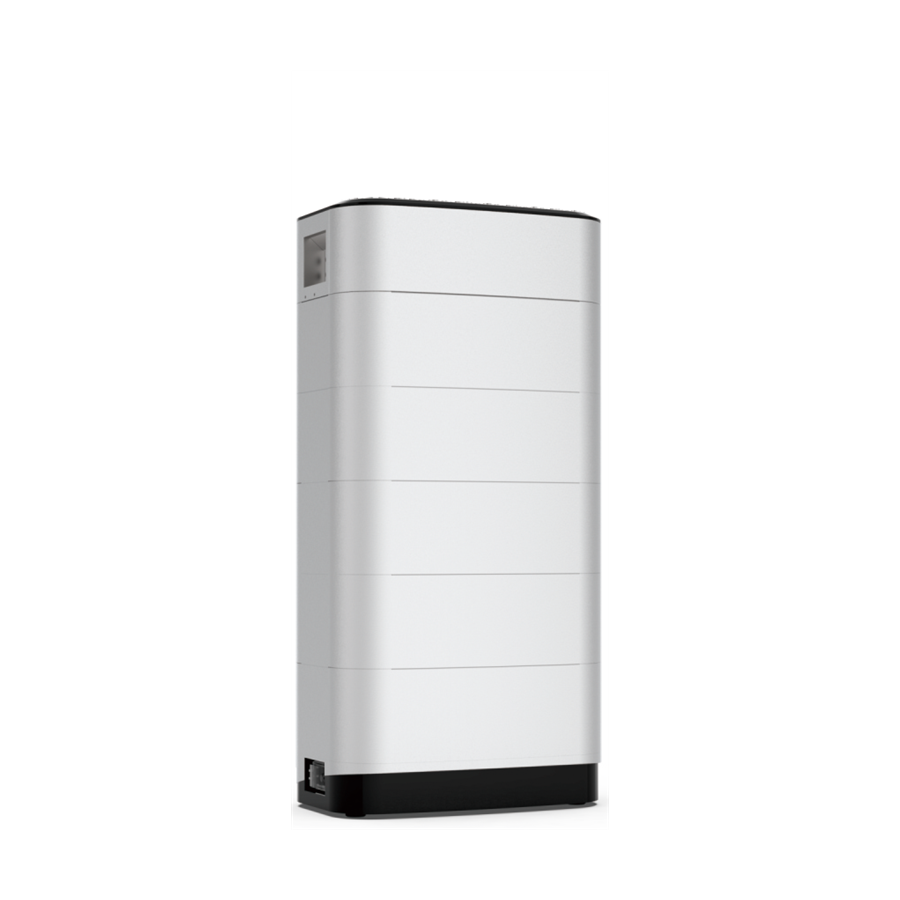
Firefly Pro High Voltage Home Battery
- Capacity
- 7.2-21.6kWh
- Voltage
- High voltage
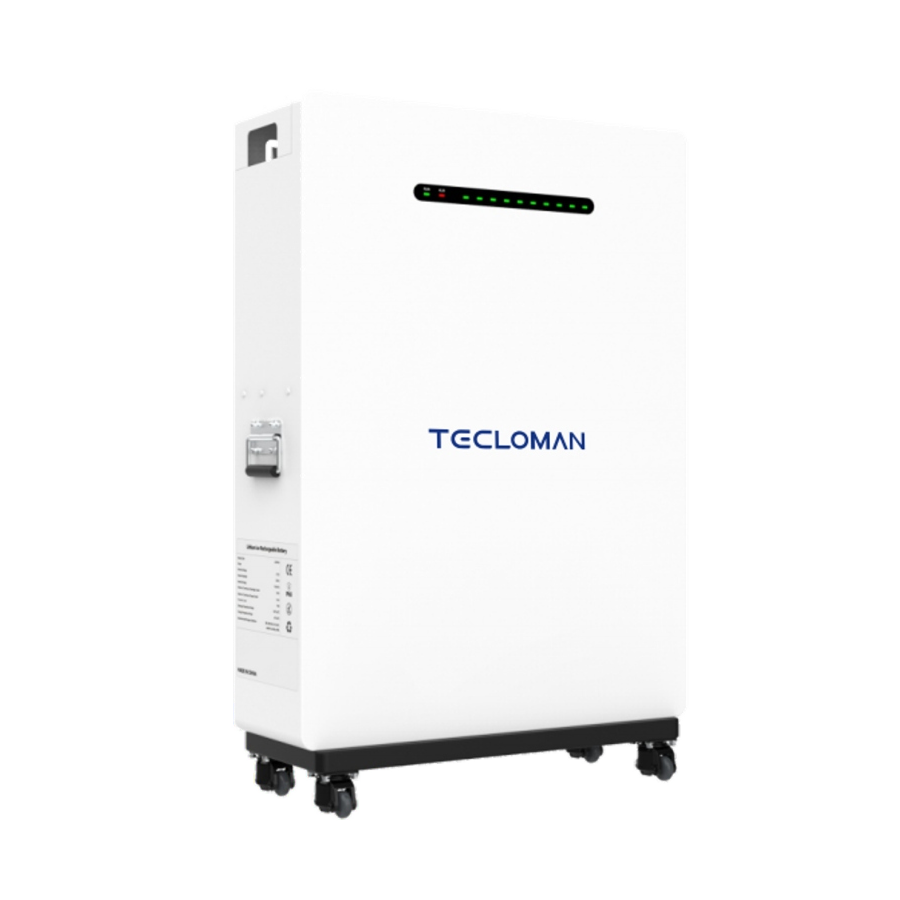
Firefly Max 16kWh Home Energy Storage Battery
- Capacity
- 16kWh
- Chemistry
- LiFePO4
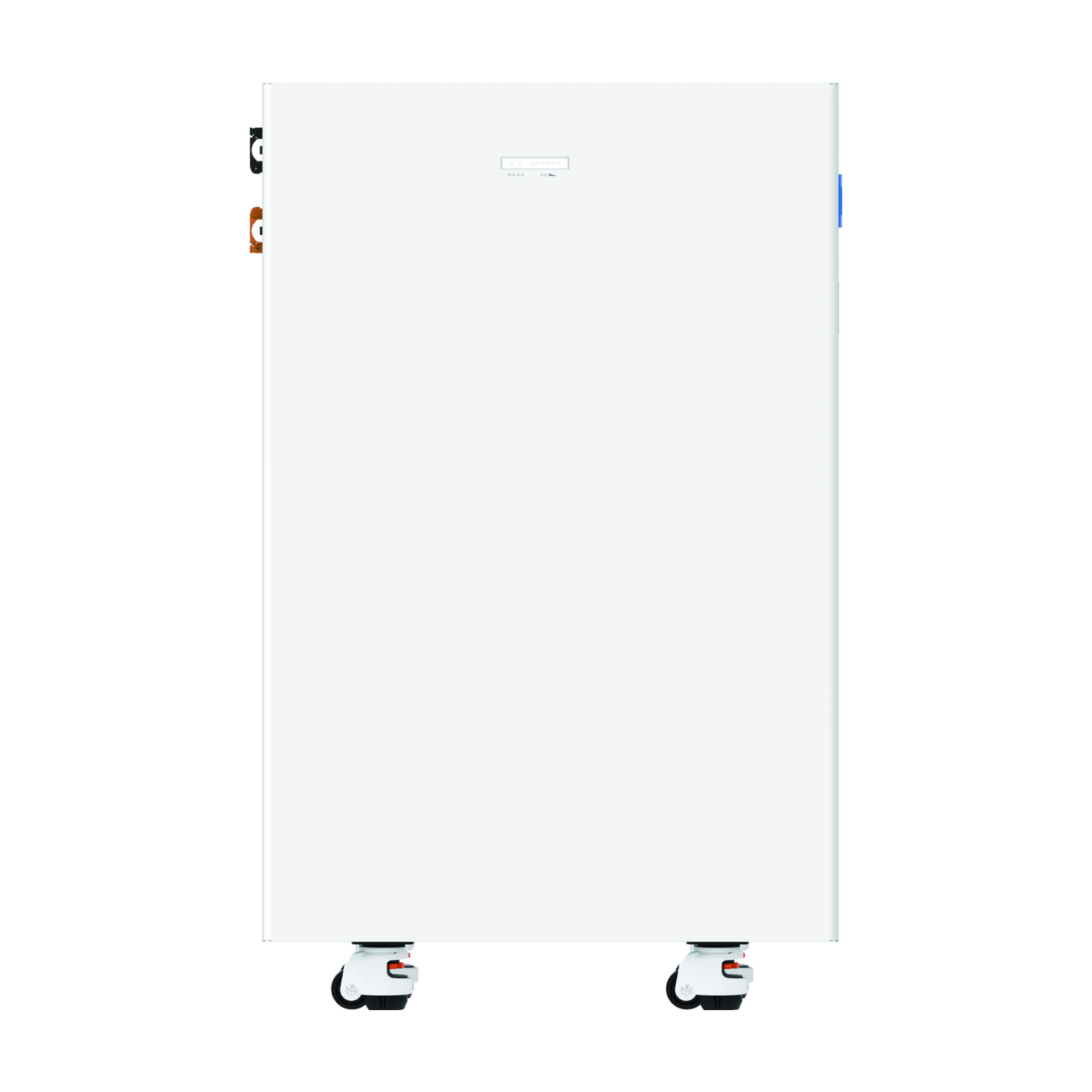
IPL-51314H 16kWh LiFePO4 Battery
- Capacity
- 16kWh
- Chemistry
- LiFePO4
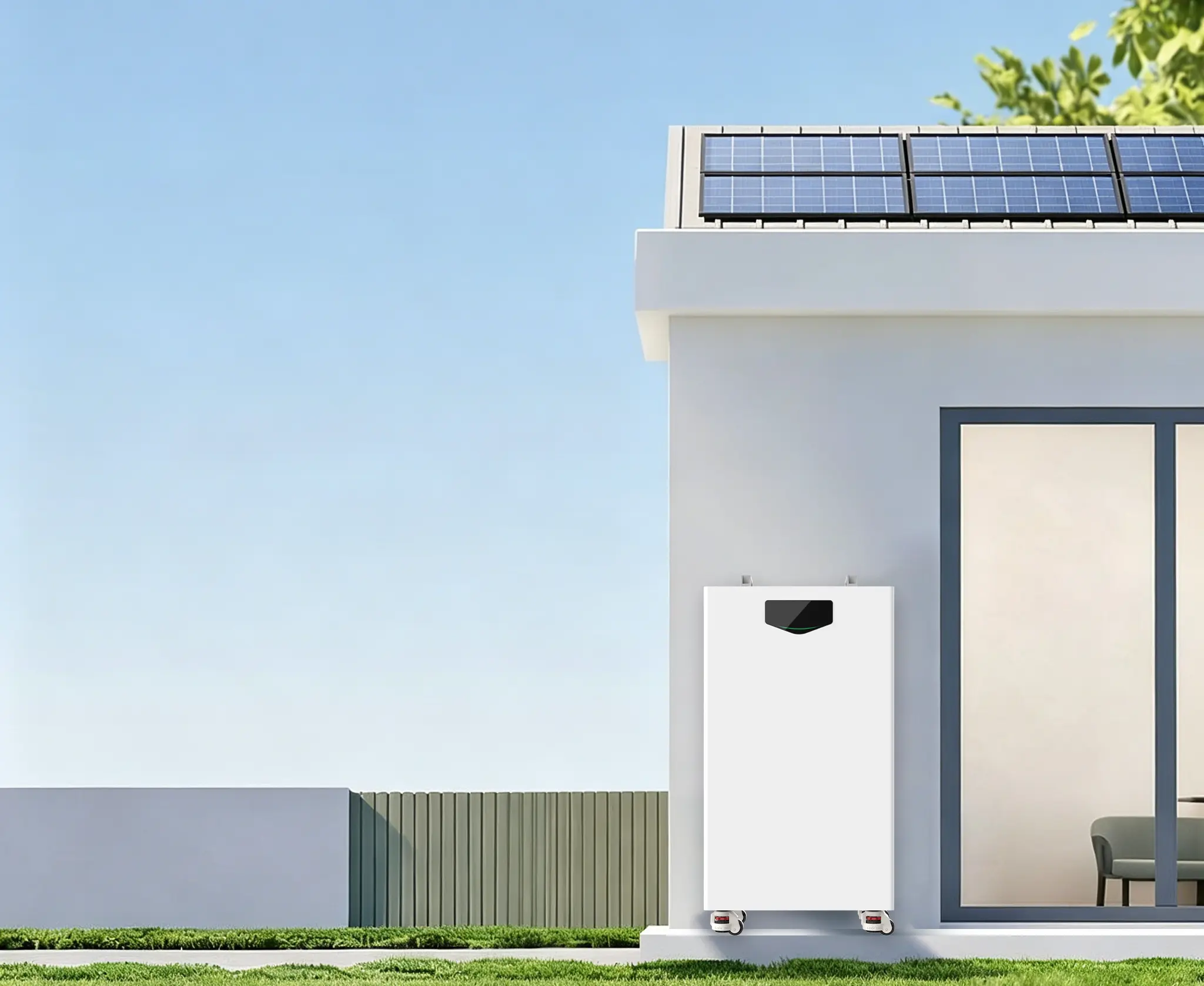
M16S280BL-YV
- Capacity
- 14.336kWh
- Voltage
- 51.2V
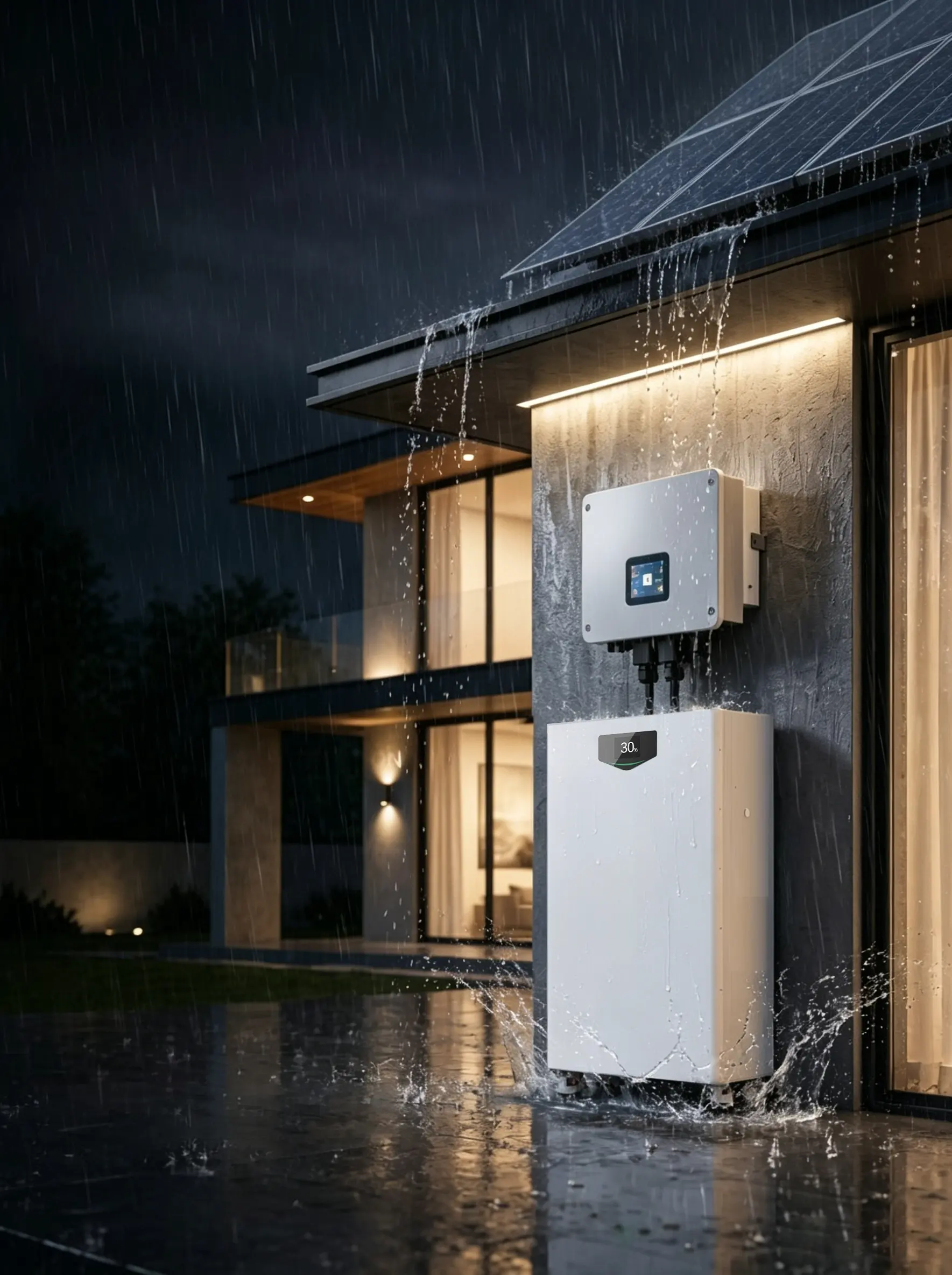
M16S314BL-YV
- Capacity
- 16.076kWh
- Voltage
- 51.2V
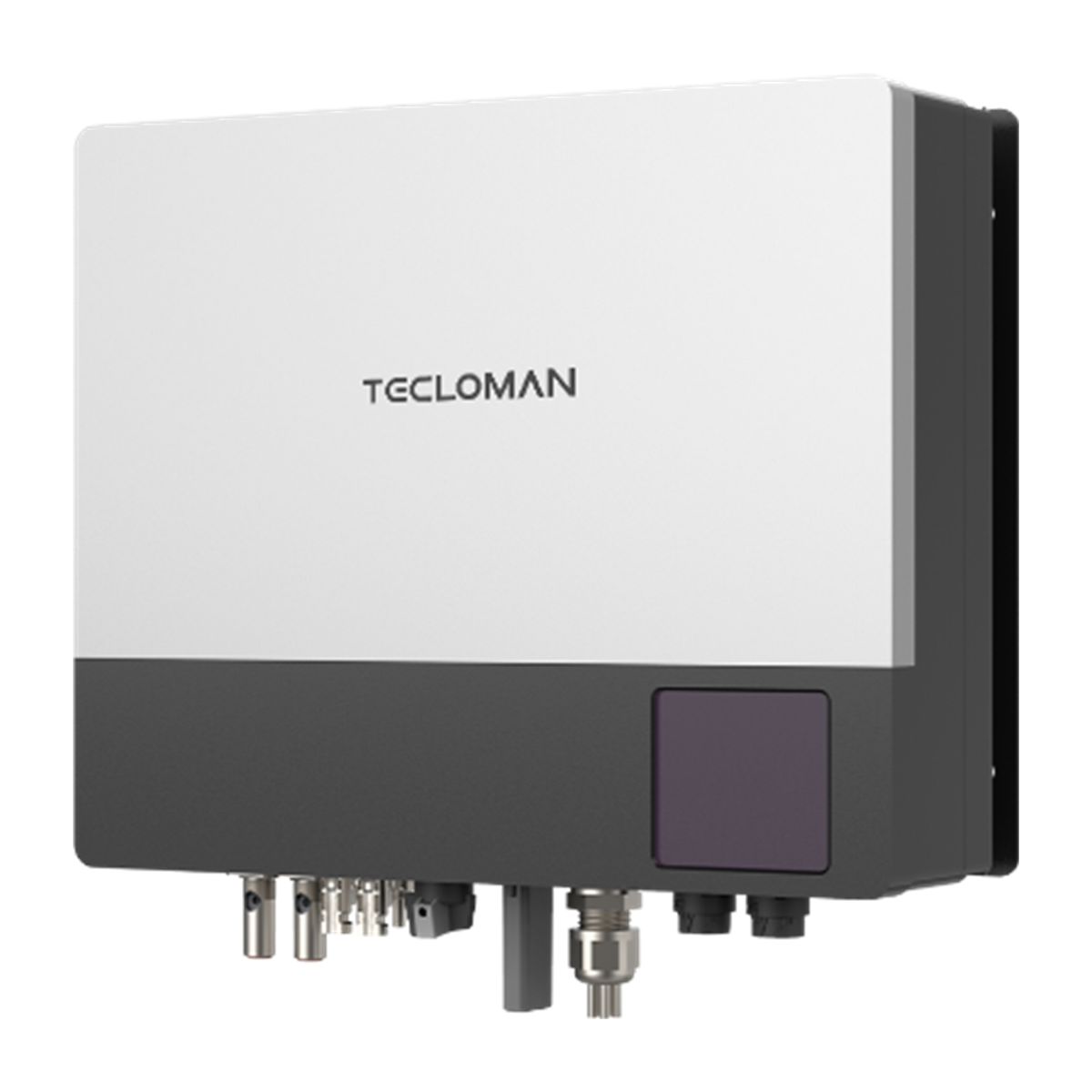
Firefly Hybrid Home Solar Storage Inverter
- Type
- Hybrid
- Application
- Residential
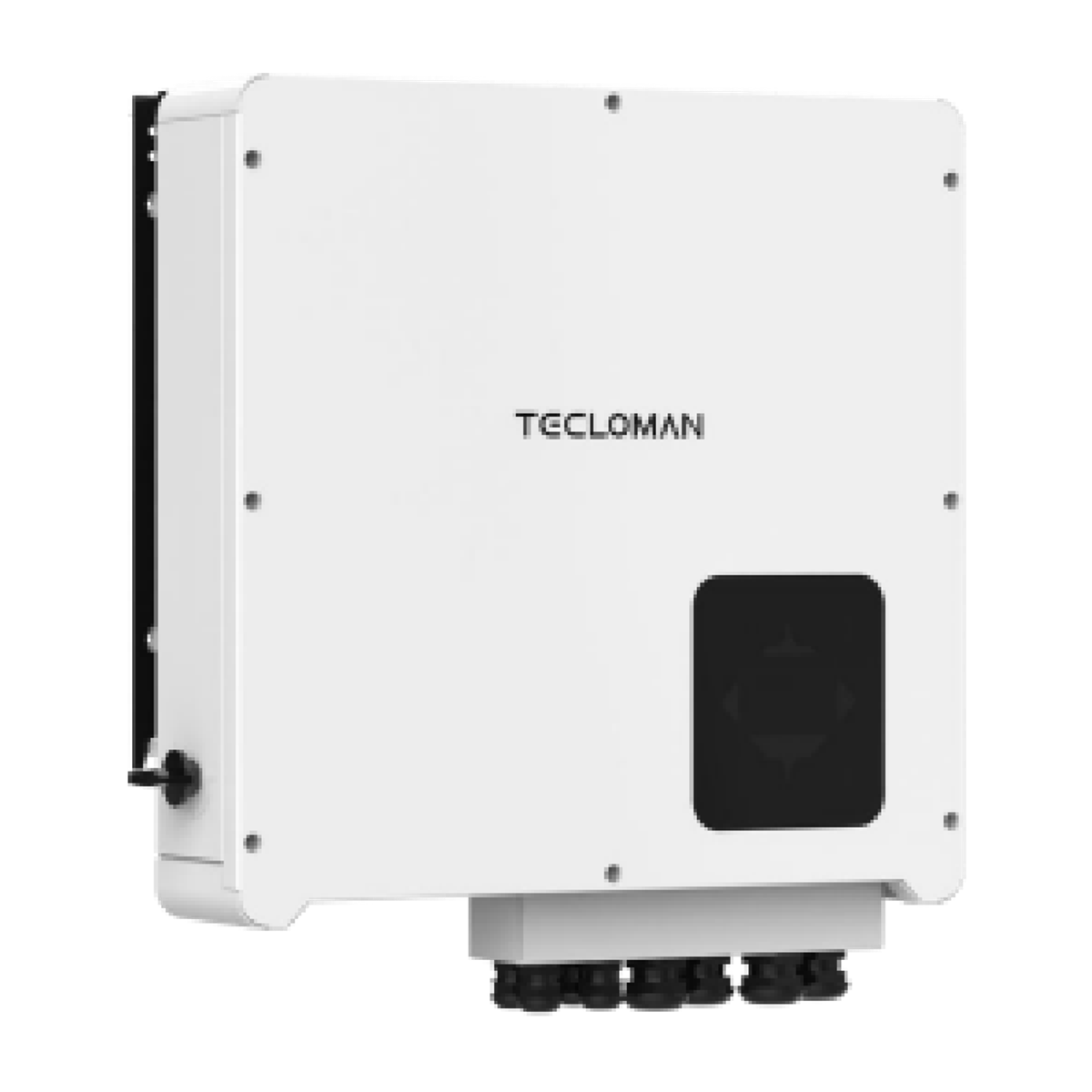
Three-Phase Residential Hybrid Inverter
- Power range
- 6-15kW
- Protection
- IP65
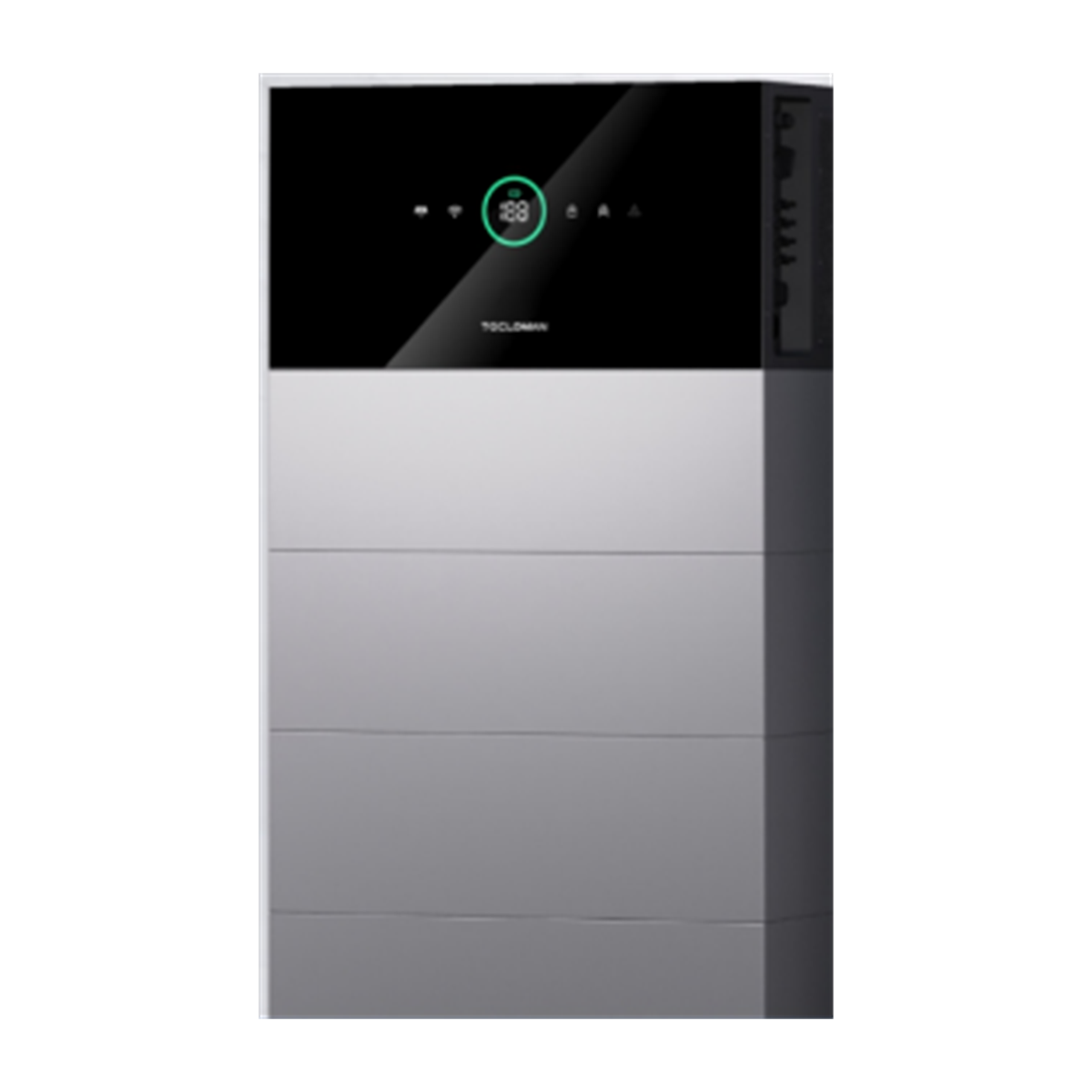
Tecloman DCDC Home Energy Inverter Model
- Power
- 12 / 25kW
- Battery
- 8-48kWh
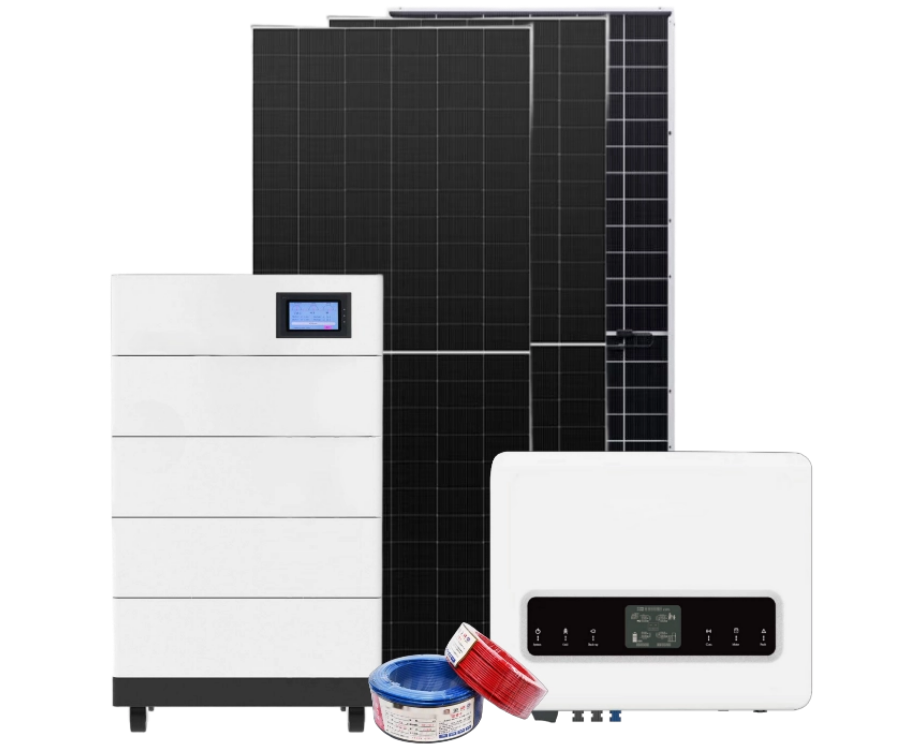
YR-SYS620-3P10-19.2
- Capacity
- 19.2kWh
- Inverter
- 10kW 3-phase
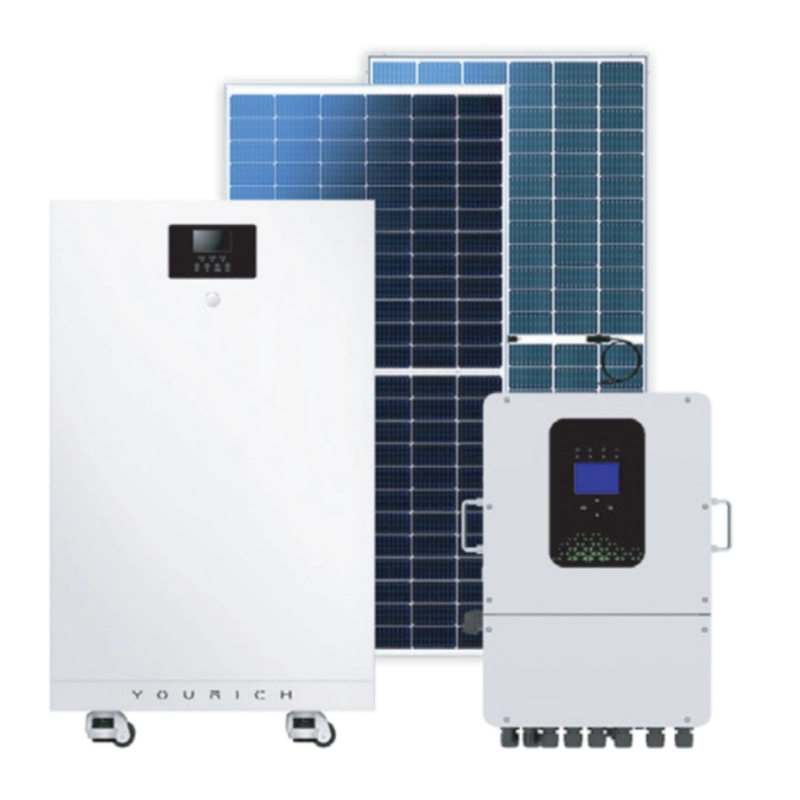
YR-SYS620-3P10-16
- Capacity
- 16kWh
- Inverter
- 10kW 3-phase
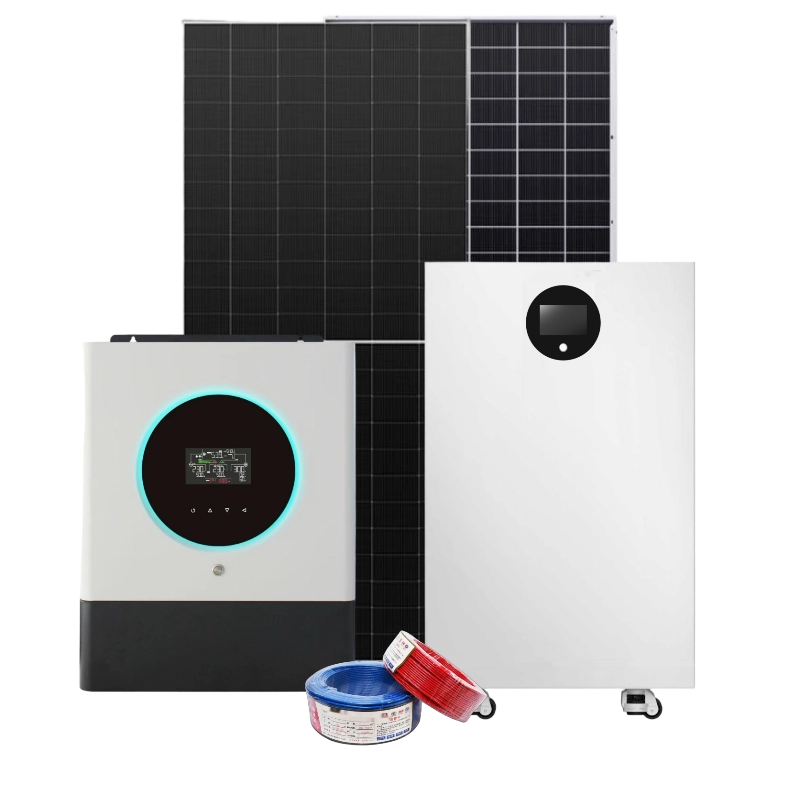
YR-SYS620-1P6-16
- Capacity
- 16kWh
- Inverter
- 6.2kW single-phase
What to Confirm Before Quoting
Use these checkpoints to turn a customer use case into a practical portable power shortlist.
Use case and load
Identify the devices, estimated wattage and whether the need is backup, mobile work, outdoor use or a small off-grid load.
Capacity and output
Match stored energy and continuous output to the selected loads. Runtime depends on the actual load and operating conditions.
Charging and interfaces
Confirm AC, solar or driving charge requirements, output ports, connector types and any model-specific communication needs.
Market readiness
Confirm datasheets, certification documents, labels, packaging, sample quantity, MOQ, delivery and after-sales requirements.
| Evaluation point | Why it matters | Confirm per model |
|---|---|---|
| Capacity and output | Determines which selected customer loads can be supported. | Wh, continuous output and peak output |
| Charging route | Determines whether the product fits the customer location and daily use pattern. | AC input, solar input, driving charge and charging time |
| Documents and packaging | Supports import, local sales, channel training and product support. | Datasheet, manuals, labels, cartons and available test or certification documents |
From Product Selection to China Supply
CVC Energy helps customers compare product options, coordinate manufacturing resources and move from a clear use case to a practical quotation.
Product matching and project support
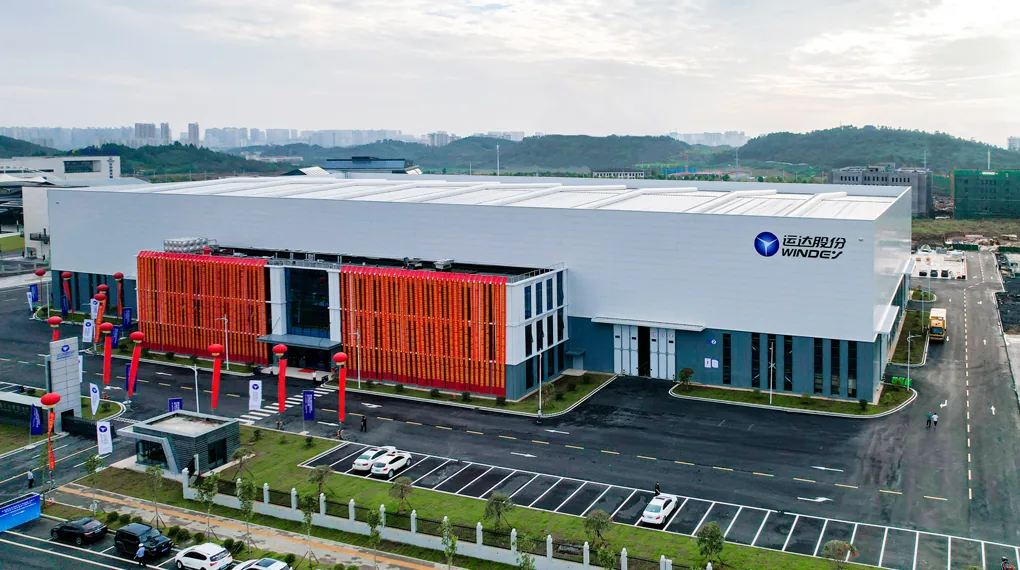
With 12 years of international trade experience, CVC Energy has supported 100+ customer projects through product matching, factory coordination and delivery follow-through.
More product options through selected partners
CVC Energy works with 10+ manufacturing partners across portable power, batteries, inverters and all-in-one systems, helping buyers compare suitable models, documentation and cooperation routes.

Continue with the Route That Fits Your Project
Use the regional, technical and customization resources below to move from product interest to a market-ready discussion.
Africa backup and portable power
Review selected backup, mobile-use and distributor applications for African markets.
Southeast Asia applications
Review island, rooftop solar, home backup and hot-climate application considerations.
Datasheets and product information
Start with the available product documents before requesting a model shortlist.
OEM/ODM and private label
Discuss packaging, design, documentation and product coordination requirements.
Portable Power Buyer FAQ
These questions help define the information needed for model matching and quotation.
How should I choose capacity and output power?
Start with the customer load profile, required output and expected use period. Final runtime depends on the actual load, operating conditions and selected model.
Can the portable power station be charged by solar?
Several models support solar charging, but the input range, connector and charging method are model-specific. Confirm the exact datasheet before quotation.
What documents can support import and local sales?
CVC can coordinate available datasheets, manuals, packaging information and model-specific certification or test documents with the responsible manufacturing partner.
Can you support private label or OEM packaging?
Yes. CVC can coordinate requirements for product selection, packaging, labeling, documentation and factory execution according to the project scope.
How are warranty and after-sales issues handled?
CVC coordinates customer communication, factory-side technical support, returns and follow-through with the responsible manufacturing partner according to the confirmed quotation and order terms.
What to Confirm Before Quoting a Home Battery
Nominal kWh is only the starting point. Confirm the installation format, voltage class, inverter platform, communication and expansion plan.
Load and usable capacity
Identify the circuits, expected runtime and actual usable energy requirement.
Voltage and inverter match
Confirm low-voltage or high-voltage architecture and the supported inverter profile.
BMS and communication
Check CAN/RS485 protocol, firmware, cable requirements and approved battery settings.
Expansion and service
Confirm parallel limits, installation access, documentation, MOQ and after-sales route.
| Evaluation point | Why it matters | Confirm per model |
|---|---|---|
| Voltage class | Determines inverter matching and system architecture. | Low voltage / high voltage / approved profile |
| Usable capacity | Determines which household loads can be covered. | kWh, output power and expansion plan |
| Communication | Determines whether BMS data can be exchanged correctly. | CAN / RS485 / firmware / cable |
| Documents and service | Reduces installation and resale friction. | Datasheet, certification, warranty and support |
Match Battery Platforms to the Inverter and Market
CVC helps distributors, installers and project buyers compare battery formats, coordinate manufacturing resources and collect the technical documents required for a practical quotation.
Share the battery model, inverter model, voltage, required capacity and destination market. We can coordinate the matching route, documents, samples and after-sales questions with the responsible manufacturing partner.
Continue with the Battery Route That Fits Your Project
Move from product comparison to technical documents, compatible inverter options and a qualified project discussion.
Questions to Resolve Before Ordering
Can a home battery work with any inverter?
No. Confirm the battery voltage, BMS protocol, firmware and approved communication profile for the exact battery and inverter models.
Should buyers choose low-voltage or high-voltage batteries?
It depends on the system architecture, target capacity, inverter platform, installation requirements and project expansion plan.
What should a distributor request before sampling?
Request the datasheet, manual, certification scope, packaging information, warranty route, MOQ and a model-specific compatibility review.
Need a home battery range for your market?
Send your target country, household load, inverter platform, preferred voltage and estimated quantity.
What to Confirm Before Quoting an Inverter
A suitable inverter must fit the battery, PV array, loads, grid or generator conditions and destination-market installation requirements.
Phase and power
Confirm single-phase or three-phase operation, continuous output and surge requirements.
PV and battery input
Check PV voltage/current range, battery voltage and charging limits.
Operating mode
Clarify on-grid, off-grid, hybrid, EPS/backup and generator requirements.
Communication and documents
Confirm BMS protocol, firmware, manuals, certificates and compatibility records.
| Evaluation point | Why it matters | Confirm per model |
|---|---|---|
| Phase and output | Determines which residential or small commercial loads are suitable. | Single / three-phase, kW and surge |
| PV input | Determines whether the inverter fits the planned solar array. | MPPT range, current and PV limit |
| Battery coupling | Determines battery voltage, BMS and charging compatibility. | Voltage, CAN/RS485 and approved profile |
| Backup and generator | Determines how the system behaves during outages or mixed supply. | EPS, transfer, generator and load priority |
Coordinate the Inverter, Battery and Documentation Route
CVC helps installers, solar companies, distributors and EPC buyers compare inverter configurations, match battery platforms and coordinate technical documents with selected manufacturing partners.
Send the phase, target power, PV input, battery model, BMS protocol, backup load, generator requirement and destination market before quotation.
Continue with the Inverter Route That Fits Your Project
Review battery options, technical documents and project support before selecting a configuration.
Questions to Resolve Before Ordering
Is a higher kW inverter automatically a better choice?
No. The inverter must fit the phase, PV array, battery, continuous load, surge load and operating mode.
What battery information is needed for matching?
Share nominal voltage, usable capacity, BMS protocol, communication port, firmware and the exact inverter model.
Can a generator be added to a hybrid system?
Some configurations support generator input, but the exact transfer, control and installation requirements must be checked per model.
Need an inverter and battery configuration?
Send your target market, phase, power, PV input, battery and backup requirements.