
Energy Storage Insights for Distributors and Installers
Practical guidance on portable power, home batteries, inverter compatibility and channel product decisions for energy storage buyers.
-
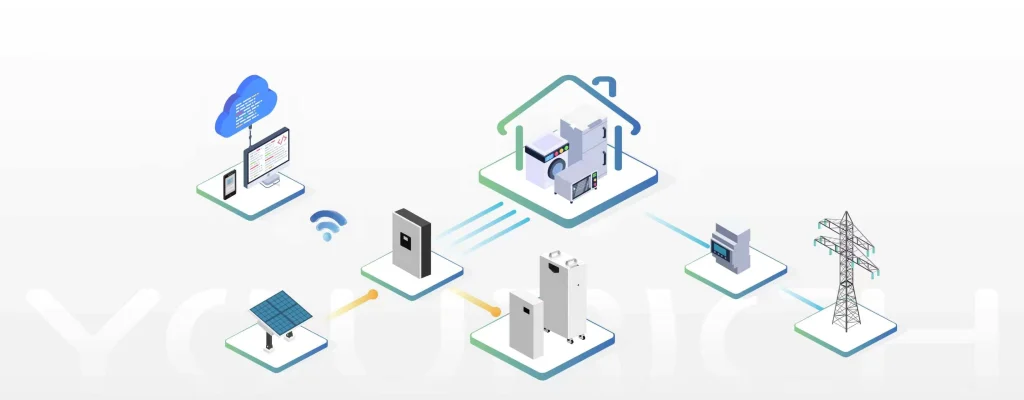
Portable Power vs Fixed Home Storage for Distributors
A distributor entering home backup can choose portable power or fixed home storage. Portable products are easier to demonstrate and deploy, while fixed systems support a broader household energy strategy but require design, compatibility, commissioning and local service. The right choice depends on the channel and customer.
-
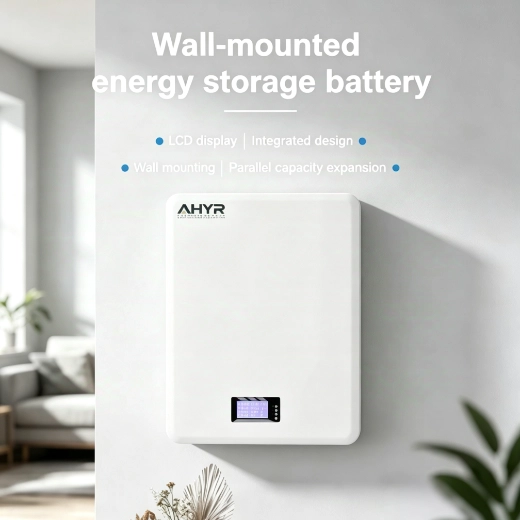
How to Match Home Battery Capacity with Critical Household Loads
A 10kWh home battery is not enough information for a quotation. Professional buyers should start with a critical-load schedule, then check inverter power, outage duration, solar charging, starting surges and battery reserve before deciding which capacity and architecture fits the home.
-
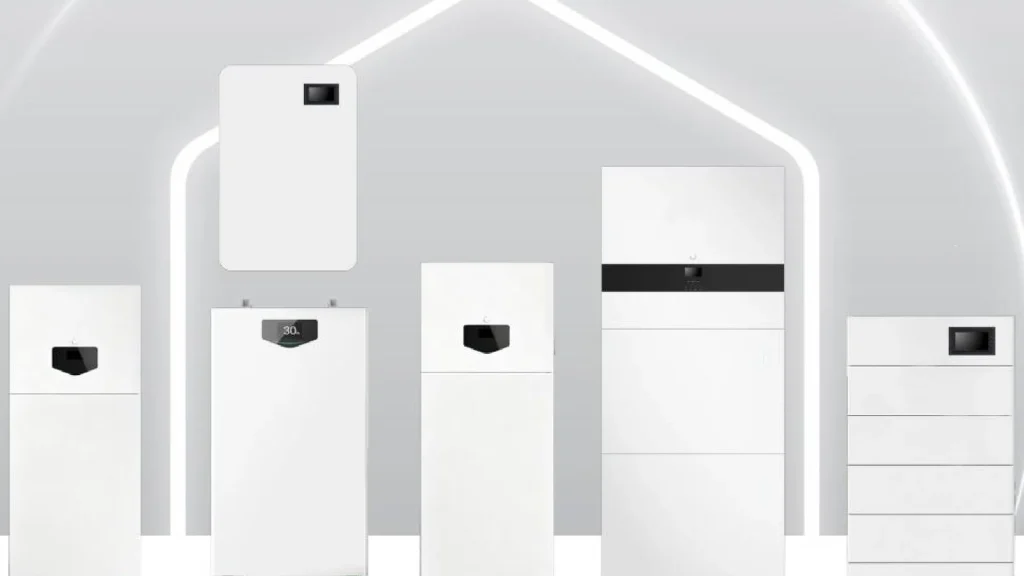
Wall-Mounted vs Floor-Standing Home Batteries for Channel Sales
Wall-mounted and floor-standing home batteries can store similar energy but create different channel requirements. The form factor affects the sales pitch, warehouse handling, installer training, delivery method and the customer profile most likely to buy.
-
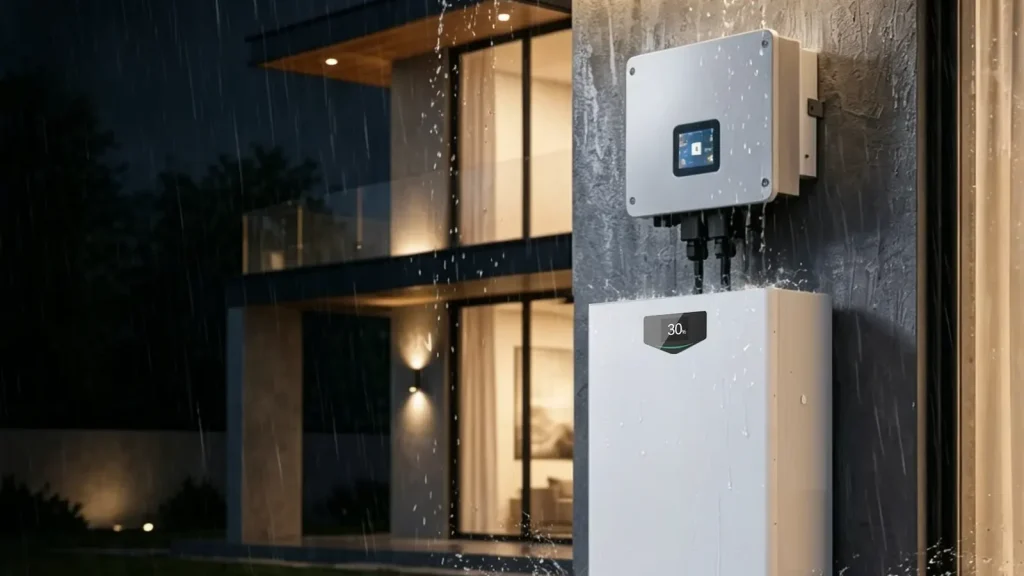
Battery and Inverter Compatibility Checklist Before Quoting
A 48V battery with CAN communication is not automatically compatible with every inverter. Before quoting, confirm the voltage range, BMS protocol, firmware, charge and discharge limits, approved model pairing and destination-market requirements.
-
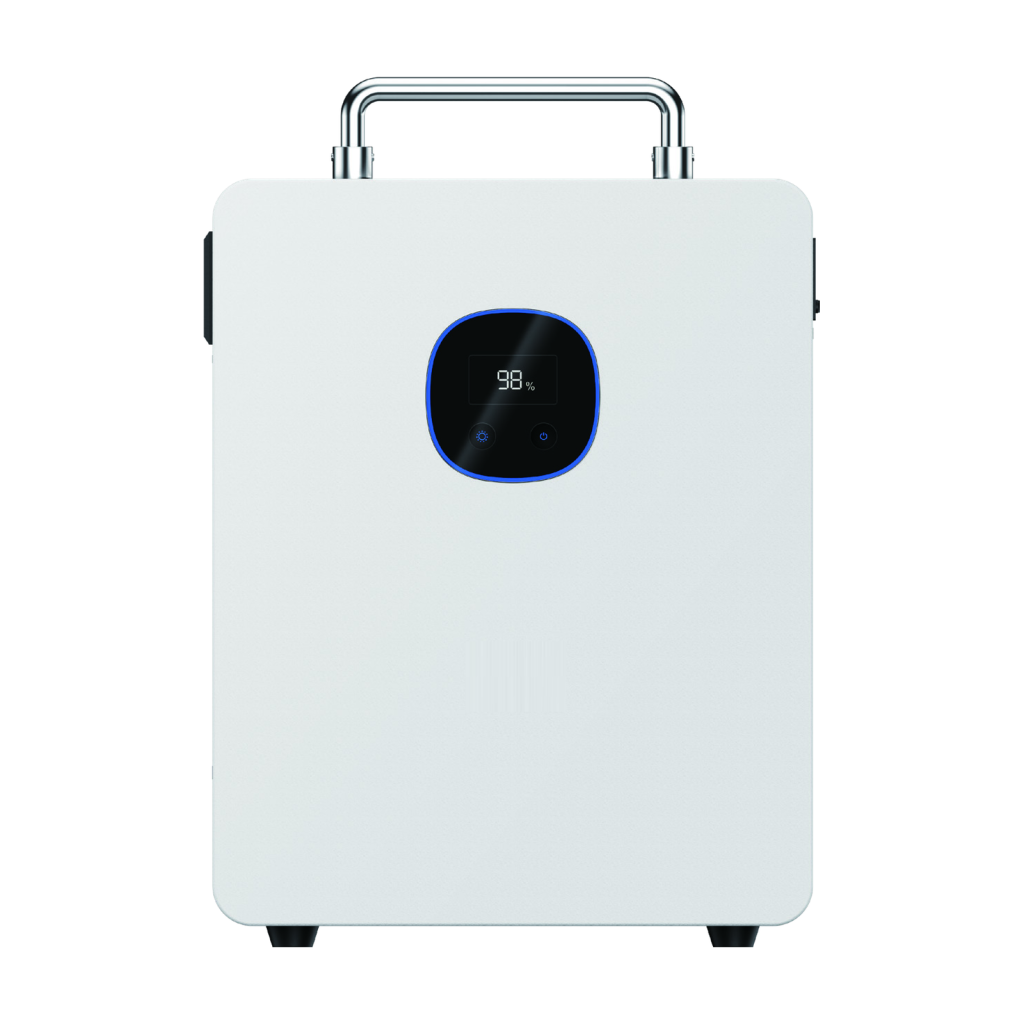
How Long Can a Portable Power Station Run Lights, Fans and a Router?
A 1kWh portable power station can usually run lights, one fan and a router for about 8 to 12 hours. With two fans, the estimate is closer to 5 to 7 hours. Actual runtime depends on the real load and usable battery energy.
-
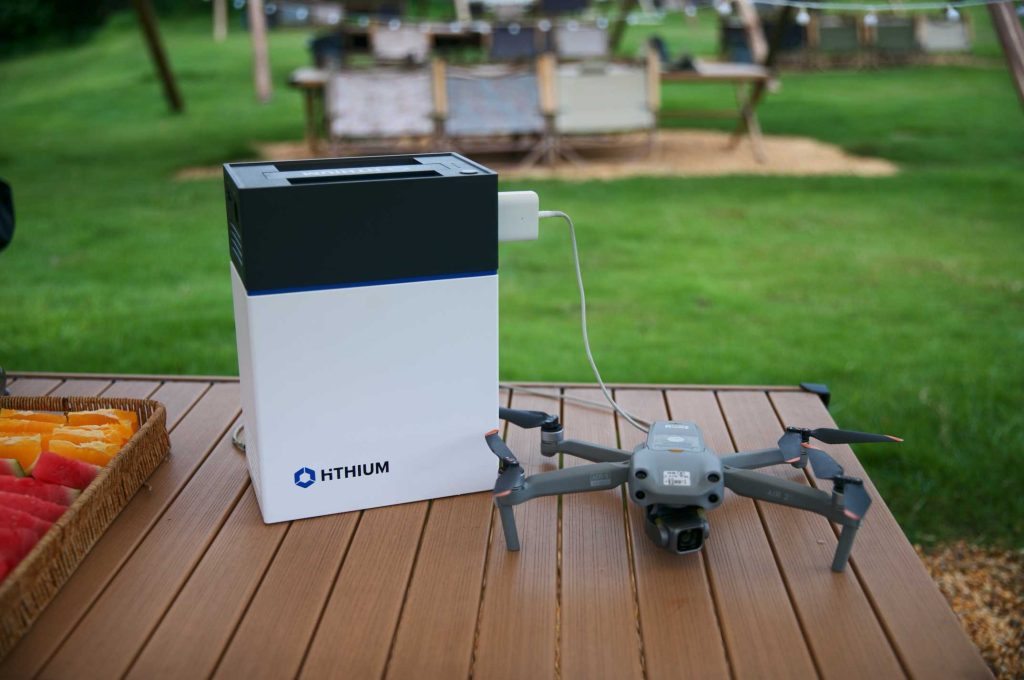
Is a 1kWh Portable Power Station Enough for an African Home?
A 1kWh portable power station can be enough for basic African home backup, including lights, phone charging, Wi-Fi, a small fan or laptop. It is not designed for heavy loads such as kettles, irons, pumps, air conditioners or full-home backup.
Browse CVC Energy market reports, battery-inverter compatibility guides, power-matching references and product datasheets in the Download Center.
Visit Download Center