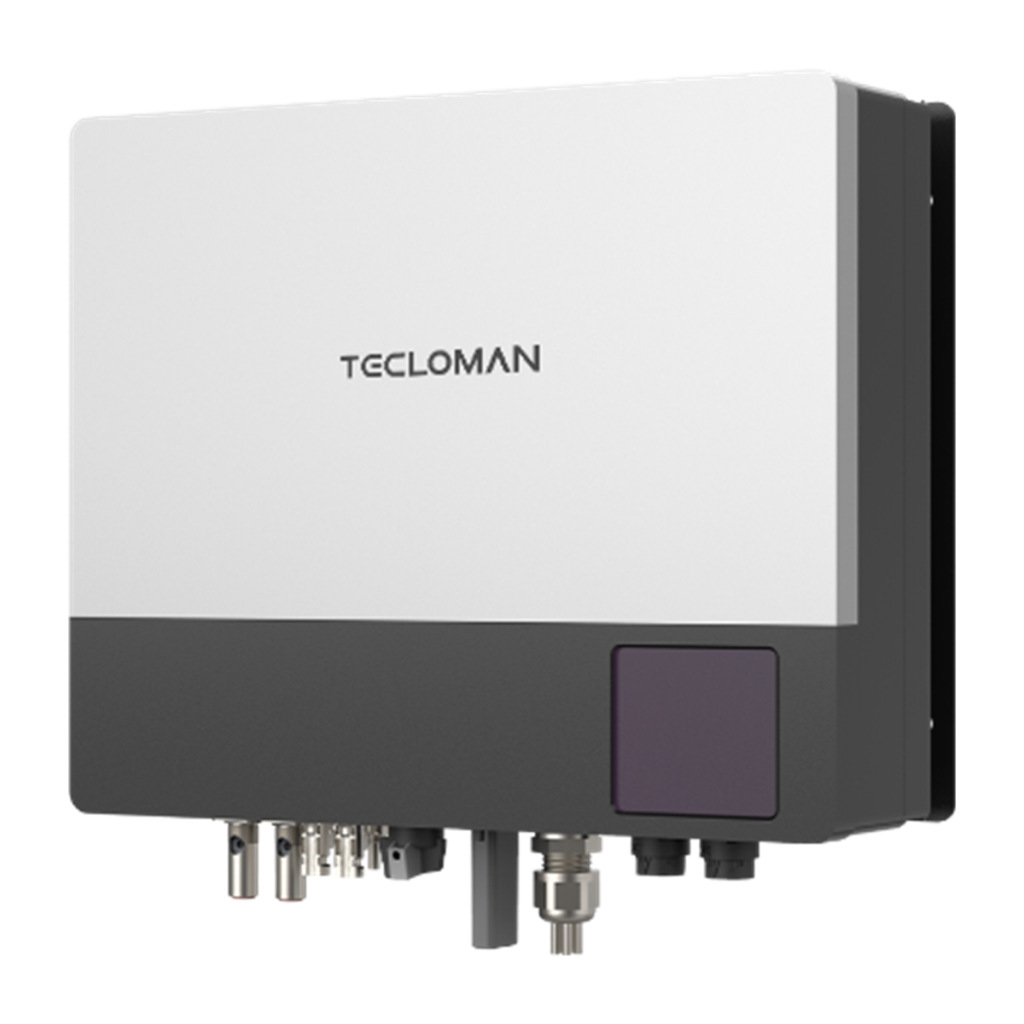
Deye Three-Phase Hybrid Inverter Alternatives: A Distributor’s Quality and Value Checklist
Product Selection & System Fit Deye Three-Phase Hybrid Inverter Alternatives: A Distributor’s Quality and Value Checklist Written by Peter YinReviewed […]

This category serves distributors, installers, solar companies and EPC buyers. It explains the differences between portable power, all-in-one systems, batteries and inverters, including capacity, voltage, power, loads, installation, expansion and system matching, so buyers can choose a suitable product combination from verified technical information.
Product Selection & System Fit Deye Three-Phase Hybrid Inverter Alternatives: A Distributor’s Quality and Value Checklist Written by Peter YinReviewed […]
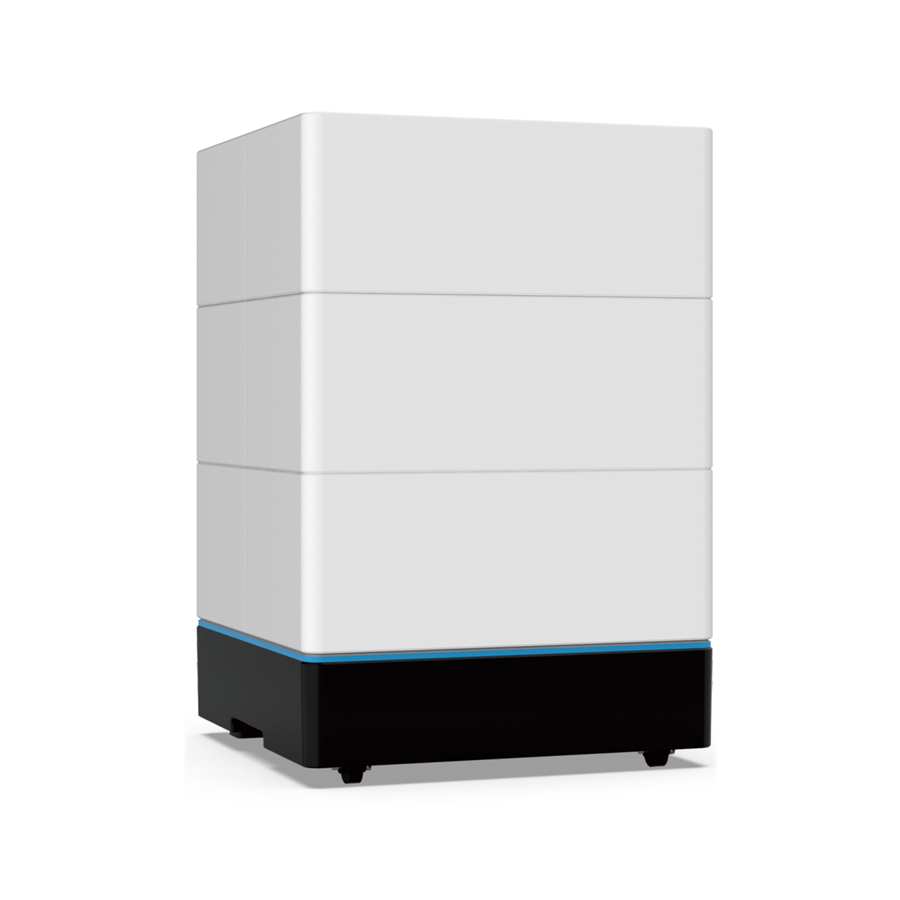
Product Selection & System Fit Low-Voltage vs High-Voltage Home Batteries: A Distributor Product Strategy ✎Written by Peter Yin✓Reviewed by: Technical

Battery voltage can look normal while BMS protection, inverter control, communication, or the DC path blocks current. Use this installer decision tree to find the next safe check.

A generator can keep running while a hybrid inverter rejects its AC input. This guide shows why voltage dips trigger UPS switching and how to reduce repeated transfers with charging, load and input-setting checks.
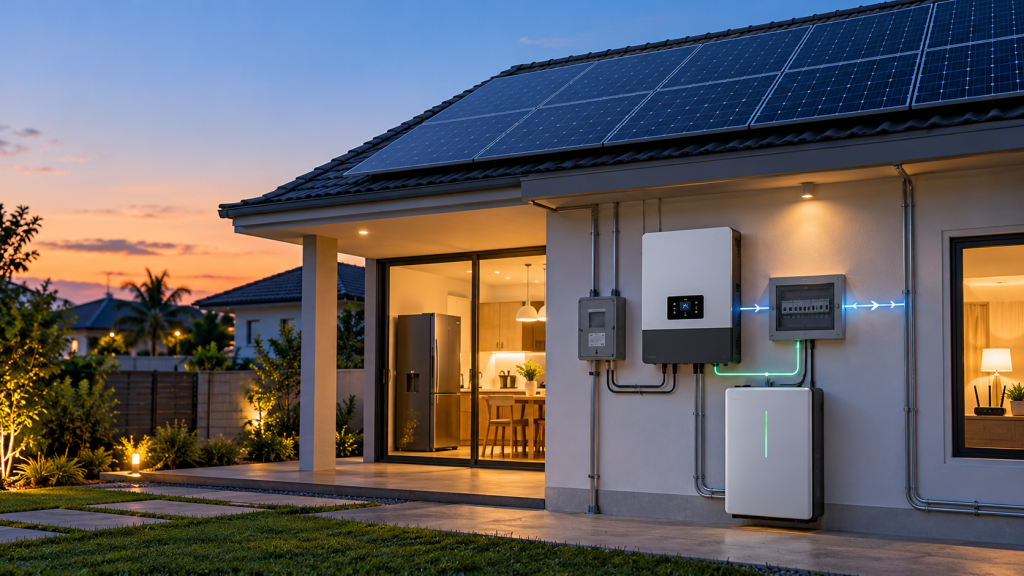
Product Selection & System Fit What Happens When the Grid Comes Back? Backup Output, Anti-Islanding and Critical Loads Written by
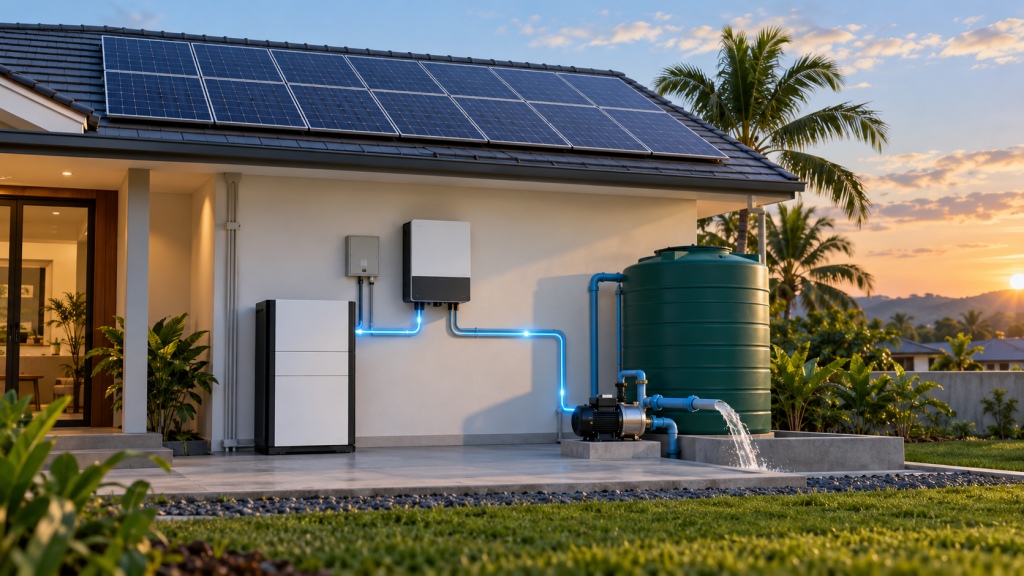
Product Selection & System Fit Why Does a Battery Trip When a Water Pump Starts? BMS, Inverter Surge and Battery
Product Selection & System Fit Multi-Day Home Battery Backup: Why Recharge Planning Matters More Than Battery Size Written by Peter
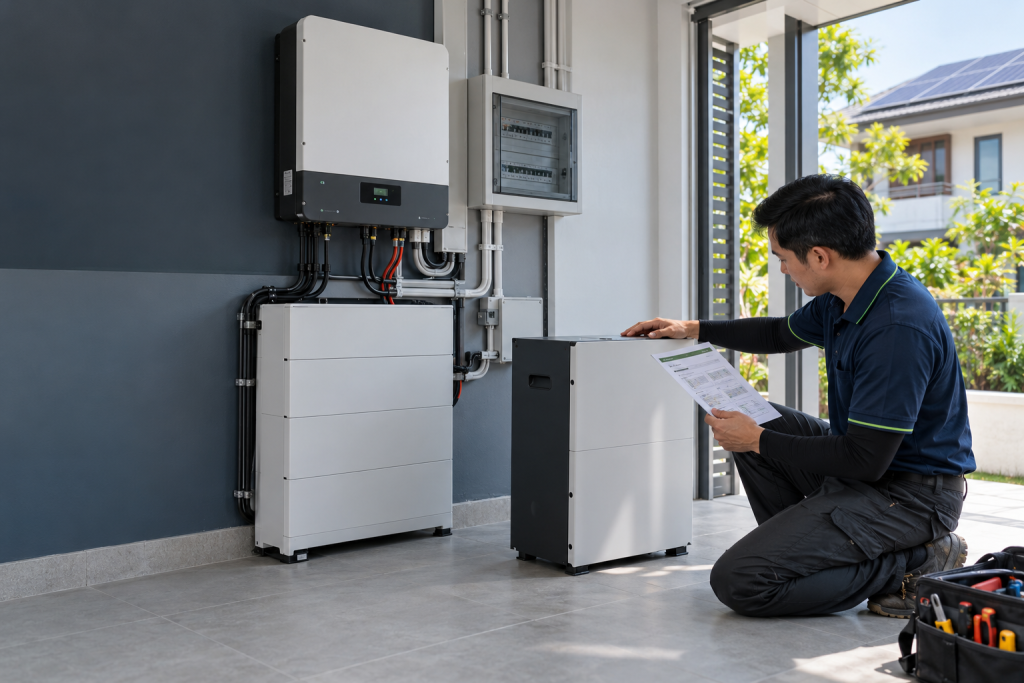
Product Selection & System Fit Can You Add a Third-Party Battery to an Existing Deye or Growatt System? Written by
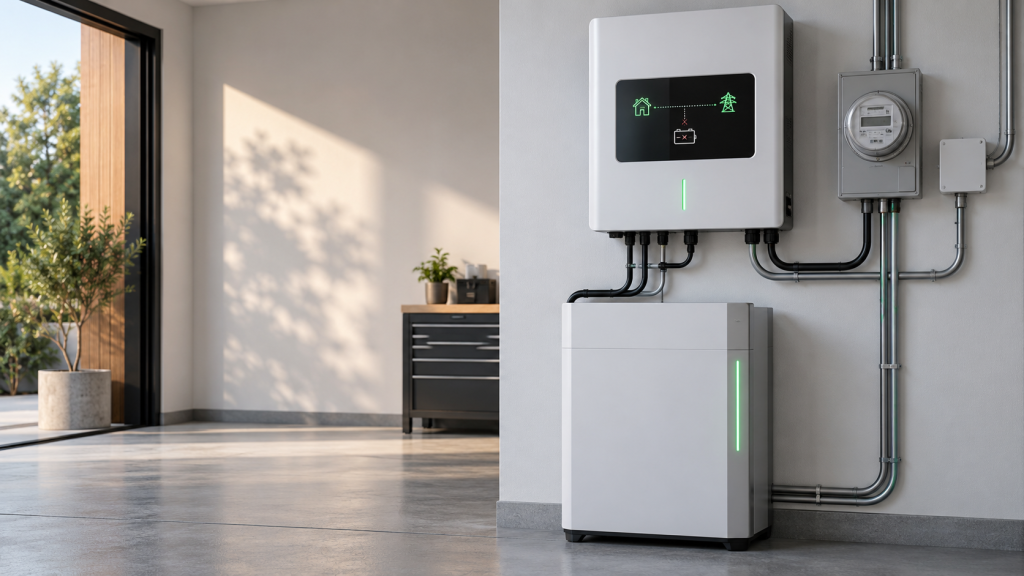
A practical diagnostic guide for Deye and Growatt batteries that show as connected but do not charge. Check BMS permission, current limits, SOC, temperature, CAN/RS485, firmware and model pairing.
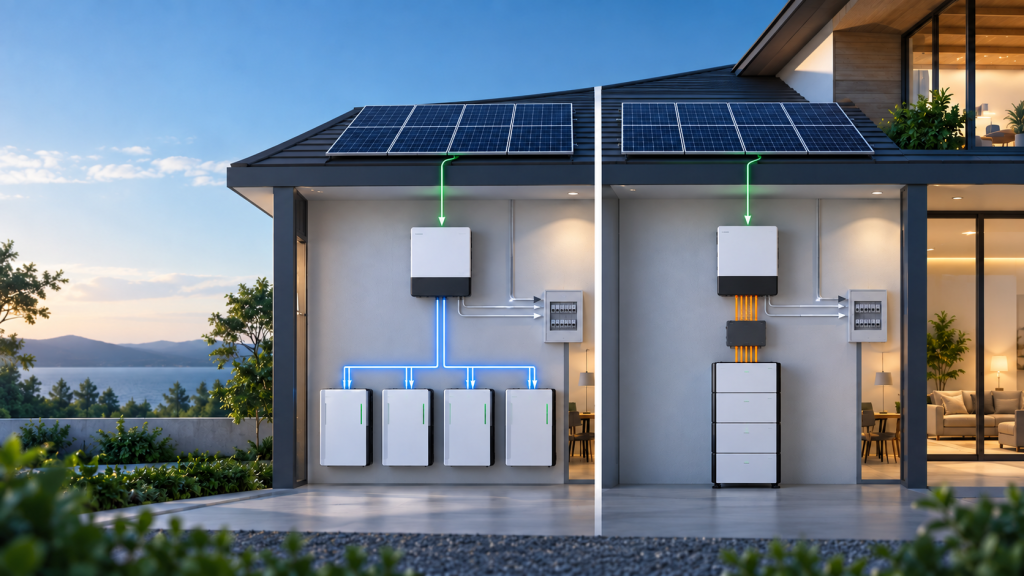
Compare Deye low-voltage and high-voltage battery systems for 5kW, 8–12kW and three-phase homes. Use current, voltage, module count and inverter data to prepare a compatible quotation.