
The model name is not the whole product
A battery can keep the same commercial model name while its BMS board, firmware, communication profile or approved inverter list changes. If the change is not recorded, a distributor may receive a unit that looks identical to the approved sample but behaves differently during commissioning or after-sales diagnosis.
This is a supply-chain control problem. It is different from explaining CAN and RS485, and it is different from checking one sample. The goal is to keep the battery, inverter, protocol record and production batch connected from the first quotation through repeat orders.
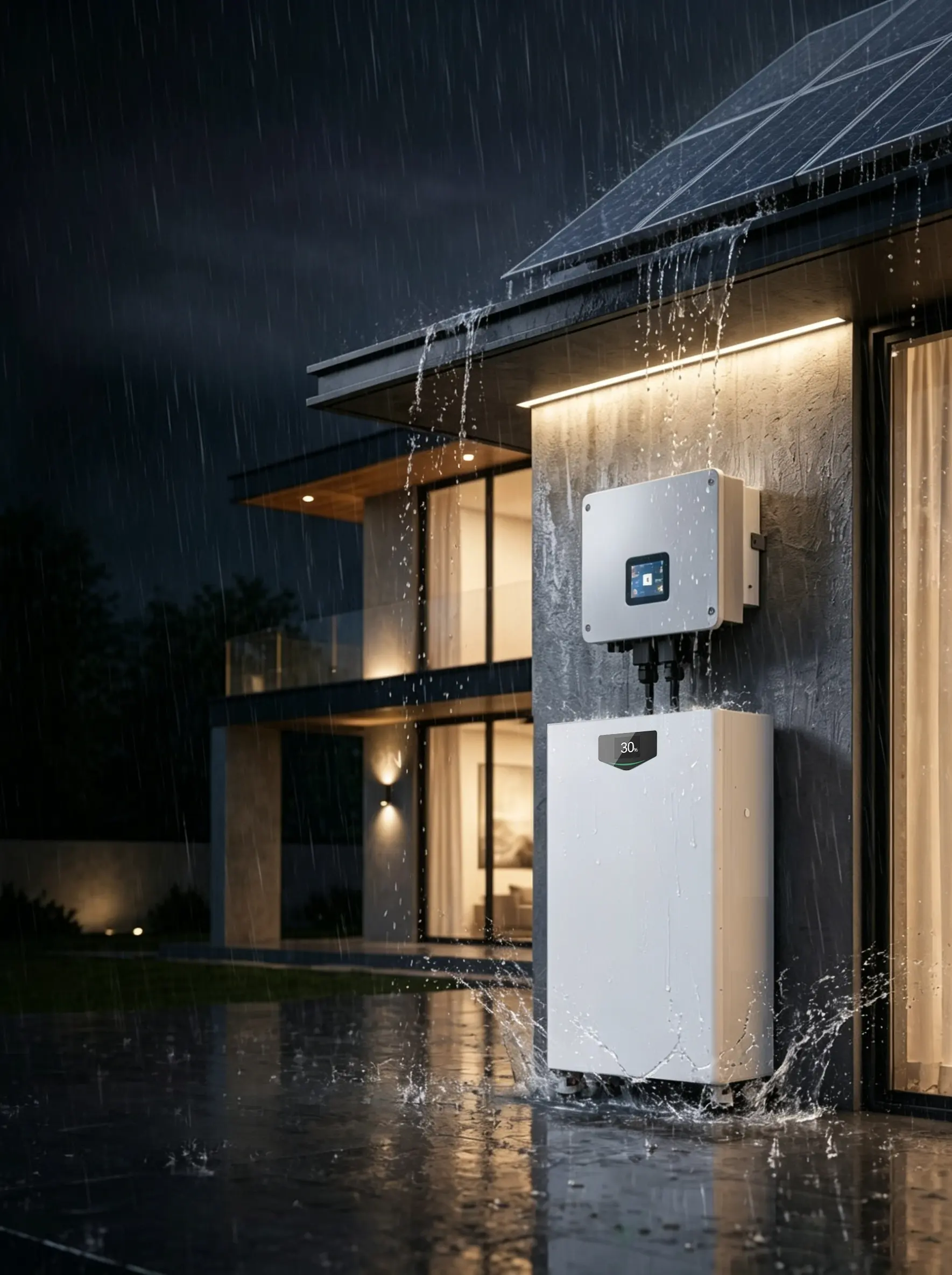
What a version change can affect
A firmware or BMS revision can alter how the battery and inverter exchange information. The visible enclosure and label may remain similar, while the operating behavior changes in ways that matter to a quotation, installation or warranty claim.
| Change area | Possible commercial effect | Record to request |
|---|---|---|
| BMS firmware | SOC display, charge/discharge limits, alarms or sleep behavior may change | BMS version, release date and change notes |
| Protocol profile | The inverter may read some data but not the required limits or protection states | Protocol name, revision and data map |
| Communication settings | Battery detection or parallel operation may fail after a configuration change | Pinout, bitrate/baud rate, address and termination settings |
| Inverter firmware | A previously accepted battery profile may be removed, changed or newly supported | Exact inverter model, firmware and selected battery profile |
| BMS hardware revision | Cell balancing, protection behavior or communication support may differ | Board revision, cell/BMS configuration and production batch |
Lock the version at the quotation stage
The easiest time to control a version is before the sample is ordered. The RFQ should identify the target inverter and the battery configuration instead of asking only for a capacity and price.
For a model-level request, include the exact battery model, nominal voltage, capacity, BMS communication requirement, target inverter model, expected parallel quantity, target market and intended application. Ask the supplier to return the applicable datasheet, protocol document, compatibility record, firmware information and sample test plan.
This does not require the distributor to become a firmware engineer. It requires the commercial file to make the technical scope visible to the person who will review it.
Use the sample to create a version baseline
The sample is the physical reference for the first order. Record its identity before testing, including the model suffix, serial number, production date, cell and BMS information, firmware version and document revision.
Then test the approved battery–inverter combination and save the result with the same identity. The test record should show whether the inverter identifies the battery, displays stable SOC, follows the charge and discharge limits, receives alarms and returns to the approved state after a controlled restart.
The home battery sample acceptance checklist covers the wider physical, electrical and communication acceptance process. This article adds the version-control layer: the approved result must be tied to the exact product and software state that was tested.
| Sample record | Why it matters later |
|---|---|
| Exact battery model and suffix | Prevents a similar family member from replacing the approved configuration |
| Serial number and production batch | Connects the test result to the physical unit and supplier records |
| BMS hardware and firmware | Shows which control logic was used during approval |
| Protocol document revision | Defines the data map and communication settings that were reviewed |
| Target inverter firmware | Prevents an old compatibility result being applied to a changed inverter |
| Commissioning result | Shows what the inverter actually recognized and controlled |
Carry the baseline into the first purchase order
A sample approval is useful only when it becomes part of the purchase record. The first PO or supply agreement should reference the approved model, configuration, firmware and communication documents.
For a distributor, the practical clauses are simple: the delivered units should match the approved configuration; a change to the cell, BMS board, firmware, connector, protocol or approved inverter profile requires notice; and a material change requires a new technical review before the next batch is released.
The commercial team should also keep the final datasheet, installation manual, protocol sheet, warranty terms and approved test record together. A link to an undated document is not a version-control system.
Control repeat orders and production changes
Repeat orders are where many compatibility records become unreliable. A supplier may improve firmware, change a BMS board, update a protocol profile or replace a component while keeping the same sales name.
Before a repeat order, ask whether the delivered version is unchanged. If it is unchanged, record the confirmation against the new batch. If it has changed, identify the change, obtain the new documents and decide whether the target inverter combination needs a repeat sample or commissioning check.
When several batteries are used in parallel, version consistency becomes even more important. The distributor needs to know whether the batteries can share the same master/slave method, communication settings, firmware requirements and expansion rules. Do not assume that a mixed batch will behave like the original sample.
A practical change-notice workflow
- Supplier identifies the proposed hardware, firmware or protocol change.
- Distributor records the affected models, batches, markets and inverter combinations.
- Technical reviewer compares the new documents with the approved baseline.
- Sample or controlled commissioning is repeated when the change can affect system behavior.
- Sales, installation and after-sales teams receive the new version record before delivery.
Use version records to shorten after-sales diagnosis
When a customer reports “the battery shows voltage but the inverter will not charge or discharge,” the first question should not be which cable to replace. The service team should compare the installed battery and inverter versions with the approved record.
Check the model suffix, BMS firmware, inverter firmware, selected battery profile, protocol revision, communication settings, parallel configuration and the date of the last supplier change. Then compare the actual alarm and SOC behavior with the original commissioning record.
This approach separates a wiring fault from a version mismatch and gives the supplier a usable evidence package. It also protects the distributor from repeating the same unrecorded change across several customer installations.
For broader fault symptoms, use the battery voltage normal but not charging or discharging guide. For communication-layer details, use the CAN and RS485 communication checklist. Those pages answer the technical symptom and interface questions; this article defines the supply record that keeps the answer tied to the correct version.
Build one version-controlled document pack
The document pack should be easy for sales, installation and after-sales teams to find. At minimum, keep:
- Approved battery datasheet and installation manual.
- BMS communication protocol and data-map revision.
- Battery BMS hardware and firmware record.
- Target inverter model and firmware record.
- Approved battery–inverter combination or compatibility row.
- Pinout, cable and parallel-battery configuration.
- Sample commissioning result and acceptance decision.
- Warranty, change-notice and escalation contact.
The CVC Downloads page is the public document entry point. For a quotation or product launch, the commercial file should still confirm which document revision applies to the exact model and destination market.
The version-control decision
BMS firmware and protocol control are not extra paperwork added after the product is chosen. They are part of the product definition. A battery–inverter combination is commercially ready when the physical model, electrical limits, communication profile, firmware state, sample result and production version all point to the same approved configuration.
That record gives a distributor three advantages: a cleaner quotation, a more reliable first order and a faster response when a later batch or customer installation raises a compatibility question.

Peter Yin
Review a battery–inverter configuration
Send the battery model, inverter model, firmware or protocol details and target quantity. We can help organize the technical document and version record before quotation.