
Stop treating “48V compatible” as a green light
Supplier: “Yes, our 51.2V battery is compatible with your 48V inverter.”
That answer sounds reassuring. It is also incomplete.
Before you approve the quote, ask which exact inverter model was tested, what the battery’s real operating voltage range is, how much continuous discharge current the BMS can provide, and whether the battery and inverter use the same communication protocol and firmware profile.
If the supplier cannot answer those questions, “48V compatible” is not a technical confirmation. It is a label.
A 51.2V LiFePO4 battery can work with a 48V-class inverter. But the real 48V 51.2V battery inverter compatibility check depends on the complete electrical and communication setup, not on the number printed on the product page.
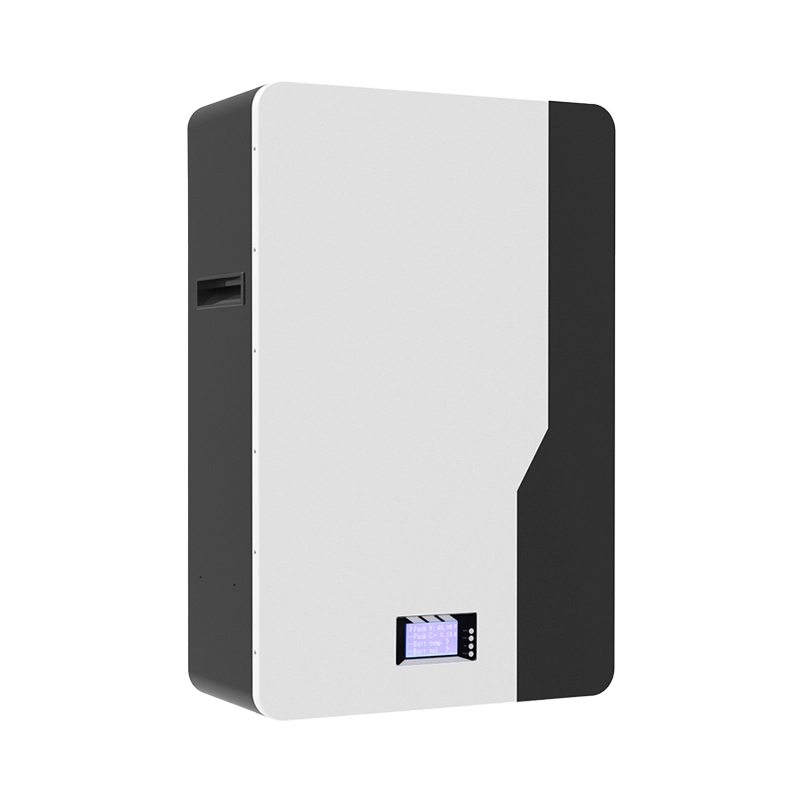
Why many 48V LiFePO4 batteries are labeled 51.2V
Most 48V-class LiFePO4 batteries use 16 cells connected in series. A typical calculation looks like this:
16 cells × 3.2V nominal voltage = 51.2V nominal battery voltage
That is why the same low-voltage battery platform may be described as a 48V battery, a 51.2V battery or a 48V-class battery. In many projects, these terms point to the same voltage class.
They still do not prove compatibility.
The label “48V” tells you the battery’s category. It does not tell you whether its full operating range fits the inverter, whether the inverter can accept the maximum charge voltage, or whether the BMS will communicate correctly.
| Supplier wording | What you should ask next |
|---|---|
| 48V battery | What are the nominal and operating voltages? |
| 51.2V battery | What is the maximum charge voltage? |
| Compatible with 48V inverter | Which exact inverter model and firmware were tested? |
| Supports CAN | Which CAN protocol, version and baud rate are used? |
| High power output | What are the continuous and peak discharge ratings? |
First check the voltage window, not the label
Compare the battery’s complete voltage data with the inverter’s battery input requirements. The four values below matter most:
- Nominal voltage
- Operating voltage range
- Maximum charge voltage
- Low-voltage cut-off
For a 16-series LiFePO4 battery, a full-charge voltage may be around 58.4V, but the exact value depends on the battery design and approved charging profile. The inverter must accept the battery’s actual voltage range, not just its nominal label.
Check the inverter datasheet for battery input range, start-up voltage, maximum charging voltage, low-voltage cut-off and over-voltage protection. Check the battery datasheet for the matching limits.
A 5kW inverter may need more battery current than expected
This is where many quotations fail. A 5kW inverter does not automatically work with every 5kWh battery.
Battery capacity and battery output power are different specifications:
- kWh tells you how much energy the battery stores.
- kW tells you how much power the system can deliver.
- A tells you how much current the battery must provide.
Use this formula to estimate the battery-side current:
Battery DC current ≈ Inverter AC output power ÷ Battery voltage ÷ Inverter efficiency
For a 5kW inverter connected to a 51.2V battery, assuming 92% inverter efficiency:
5,000W ÷ 51.2V ÷ 0.92 ≈ 106A
Now imagine the battery BMS has a maximum continuous discharge current of 80A:
51.2V × 80A = 4,096W
That battery can provide about 4.1kW of DC power under the stated current limit. After inverter losses, the usable AC output will be lower.
So the battery may have 5.12kWh of nominal energy and still be too small for a 5kW inverter at full output.
Continuous current and peak power are different tests
A battery can pass a short peak test and still fail during normal operation. Keep these values separate:
| Specification | What it tells you |
|---|---|
| Continuous discharge current | How much current the battery can provide over time |
| Peak discharge current | How much current it can provide briefly |
| Peak duration | How long the peak current is allowed |
| BMS protection current | When the BMS will disconnect the battery |
| Inverter surge power | Whether the inverter can handle a starting load |
| Cable and breaker rating | Whether the DC wiring can safely carry the current |
This matters when the system powers a refrigerator compressor, water pump, air conditioner or workshop tool. Their normal running power may look acceptable, but the starting event can trigger low-voltage protection, inverter overload protection or BMS over-current protection.
Many systems do not fail because the battery has too little energy. They fail in the first second when the load starts and the battery cannot deliver enough current.
CAN and RS485 do not automatically mean compatibility
A battery may have a CAN port. An inverter may also have a CAN port. That does not mean the two products speak the same language.
CAN and RS485 describe communication methods. The actual communication depends on the protocol used by the battery and inverter.
Before ordering, confirm the communication interface, protocol name, protocol version, baud rate, data format, pin definition, cable type, DIP switch settings, battery address, master/slave configuration and termination resistor requirements.
RJ45 is a connector, not a compatibility certificate
“Both devices use RJ45, so a normal Ethernet cable should work.” Do not assume that.
RJ45 only describes the connector shape. It does not guarantee that the same signals are assigned to the same pins. One manufacturer may assign pins to CAN-H and CAN-L, while another may use them for RS485-A and RS485-B.
Compare the battery-side and inverter-side pin definitions before connecting the cable. A wrong cable can cause communication failure and may damage the communication port in some configurations.
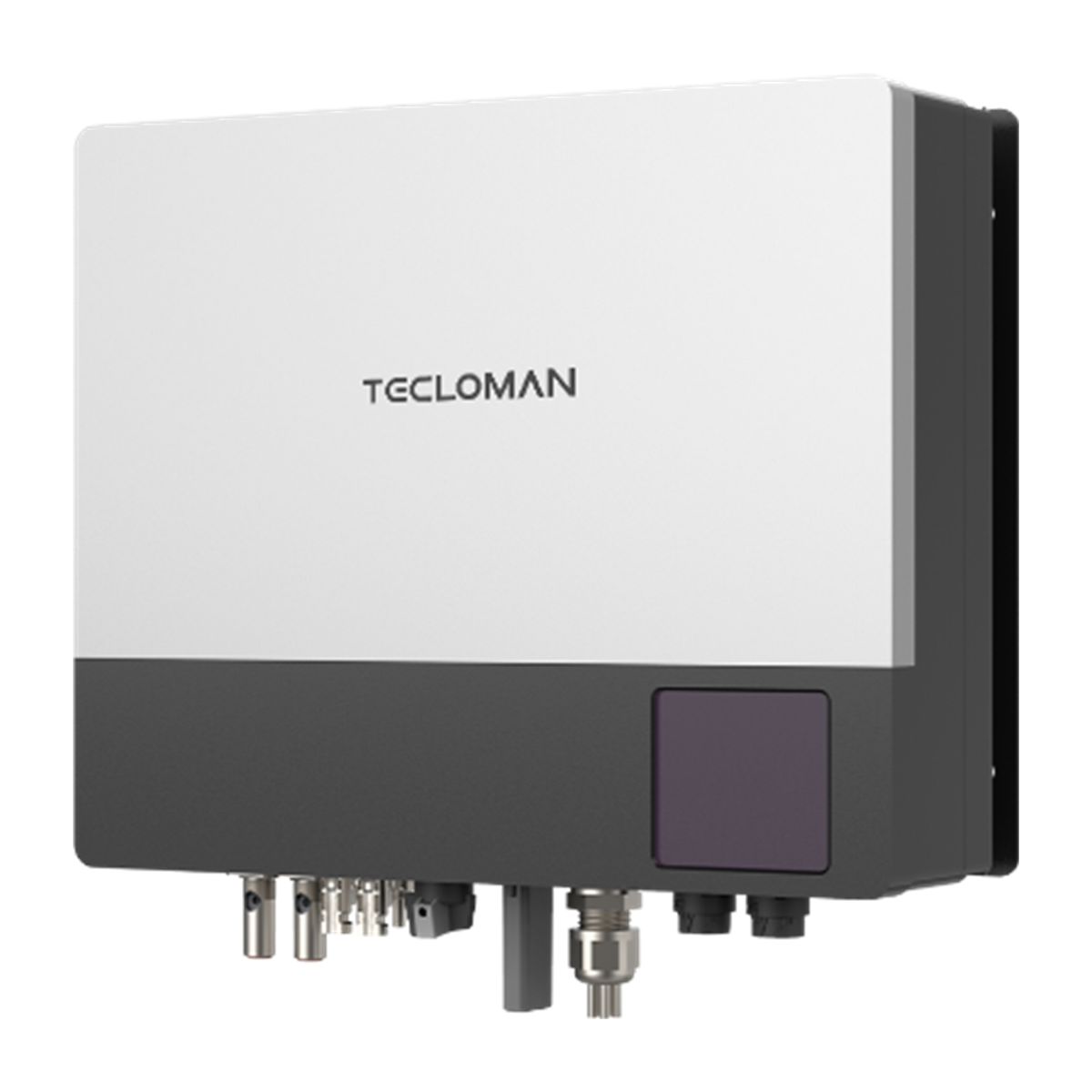
What the BMS actually tells the inverter
A proper BMS communication link does more than display the battery voltage. It may send the inverter:
- State of charge
- Battery voltage and current
- Cell or pack temperature
- Charge current limit
- Discharge current limit
- Charge voltage limit
- Alarm status
- Charge and discharge permission
When the battery temperature rises or the state of charge becomes low, the BMS may reduce the allowed charge or discharge current. The inverter needs to understand and follow that instruction.
An inverter can detect that a battery is physically connected while still failing to receive usable BMS data. That is why the inverter may show 0% SOC, allow charging but block discharging, or report a communication error under load.
“Battery detected” is not the same as “battery fully integrated.”
Firmware is where compatibility promises fall apart
The battery, BMS and inverter all rely on firmware. Firmware determines how the devices interpret communication data.
Two products may have compatible hardware and still fail to communicate because the battery BMS firmware is outdated, the inverter does not support the current protocol revision, the wrong battery profile is selected or parallel batteries use different firmware versions.
For every quotation, record the battery model, BMS model, battery firmware version, inverter model, inverter firmware version, protocol name, protocol version, parameter settings and upgrade method.
A compatibility list without a version date is not enough. Firmware changes. Product revisions change. The list must match the units being shipped.
Parallel batteries create another layer of risk
One battery connected to one inverter is relatively simple. Several batteries connected in parallel require a defined communication and power architecture.
- Maximum number of batteries in parallel
- Master battery selection
- Slave battery addresses
- Battery-to-battery communication wiring
- Master-to-inverter communication wiring
- DIP switch positions
- Termination resistor position
- Maximum cable length and cable cross-section
- Whether a combiner box is required
- Firmware consistency across all units
A single battery may work perfectly during a sample test. The same design may fail after four or eight batteries are connected if the addressing and master/slave configuration have not been tested.
A practical 51.2V matching example
Consider this configuration:
| Item | Example value |
|---|---|
| Battery | 51.2V 100Ah LiFePO4 battery |
| Nominal energy | 5.12kWh |
| Inverter | 5kW |
| Assumed efficiency | 92% |
| Estimated battery-side current | Approximately 106A |
If the BMS allows only 80A continuous discharge, the battery cannot be treated as a full-power 5kW battery simply because its capacity is 5.12kWh.
If the BMS allows 100A continuous discharge, the result is still close to the calculated requirement. Cable losses, temperature, low state of charge and inverter operating conditions must be checked before approval.
If the battery provides 120A continuous discharge with a documented peak rating, it may be a better match, subject to the voltage and communication checks.
The quote-ready 48V/51.2V compatibility checklist
Battery information
- Exact battery model
- Nominal voltage and operating voltage range
- Maximum charge voltage
- Maximum continuous charge and discharge current
- Peak discharge current and peak duration
- Nominal and usable capacity
- BMS model and firmware version
- Maximum parallel quantity
- Operating temperature range
Inverter information
- Brand and complete model number
- Single-phase or three-phase configuration
- Rated output power and surge power
- Battery input voltage range
- Maximum charge and discharge current
- Low-voltage cut-off
- Battery type setting
- Firmware version
Communication information
- CAN or RS485
- Protocol name and version
- Baud rate
- Pin definition
- Communication cable type
- DIP switch settings
- Master/slave configuration
- Termination resistor requirements
- Supported BMS data points
Delivery and verification documents
- Updated compatibility list
- Wiring diagram
- Inverter parameter settings
- BMS protocol document
- Test report
- Firmware record
- Installation manual
- Warranty and troubleshooting terms
If the supplier cannot provide these documents, the system may still work. But you will be taking the compatibility risk yourself. That is a poor position for an installer, distributor or project buyer.
Five supplier answers that should make you ask more questions
| Supplier says | You should ask |
|---|---|
| “All 48V inverters are compatible.” | Which exact inverter models and voltage ranges were tested? |
| “The battery supports CAN.” | Which protocol, version, baud rate and pin definition? |
| “The BMS is 100A.” | Is 100A continuous or peak? How long can the peak last? |
| “The peak power is 10kW.” | What is the continuous discharge power? |
| “We have worked with this inverter brand before.” | Was the exact model and firmware version tested? |
Short answers are not always wrong. They are simply not enough for a technical quotation.
When is the quote ready for approval?
A 48V or 51.2V battery and inverter combination is ready for approval when you can answer all of these questions:
- Does the battery voltage range fit the inverter?
- Can the battery provide the inverter’s required continuous current?
- Can it handle the starting load?
- Does the BMS communicate with the inverter?
- Are the protocol and baud rate confirmed?
- Are the cable pins correct?
- Are the firmware versions compatible?
- Has the parallel configuration been tested?
- Are the wiring diagram and parameter settings available?
- Are the final specifications written into the quotation and technical agreement?
Do not approve a battery because the supplier says “48V compatible.” Approve it when the voltage, current, power, communication and firmware information all line up.
If you are comparing products, start with CVC’s energy storage battery range and inverter solutions. For a specific 51.2V low-voltage option, see the Firefly low-voltage home battery. You can also review the product downloads before requesting a project review.
For brand-specific checks, see our guide to battery compatibility with Deye and Growatt inverters. The broader battery and inverter compatibility checklist can help you prepare the basic quotation information.

Peter Yin
Send a project inquiry
Send the exact inverter model, battery capacity, required quantity and communication interface. We can help you organize the technical information before quotation.