
“Can you put our logo on the battery?”
Yes, we can discuss that.
In fact, we recently helped a Vietnamese customer develop a private-label home battery project in Anhui, China. The first pilot involved 120 units, with a plan to build toward more than 500 units per year after market validation.
But the logo was only one part of the project.
Before the label was printed, we had to discuss the battery platform, capacity, inverter communication, tropical operating conditions, packaging, local documents, sample validation and the boundary between a private-label project and a completely new product.
That distinction matters. A battery can look like your product on the outside and still fail to work with the inverter, the local grid, the installation environment or your after-sales process.
The sections below follow the questions buyers usually need to settle before the first sample: what the product must run, which platform fits, what the brand change really involves, and what needs to be proven before a repeat order.
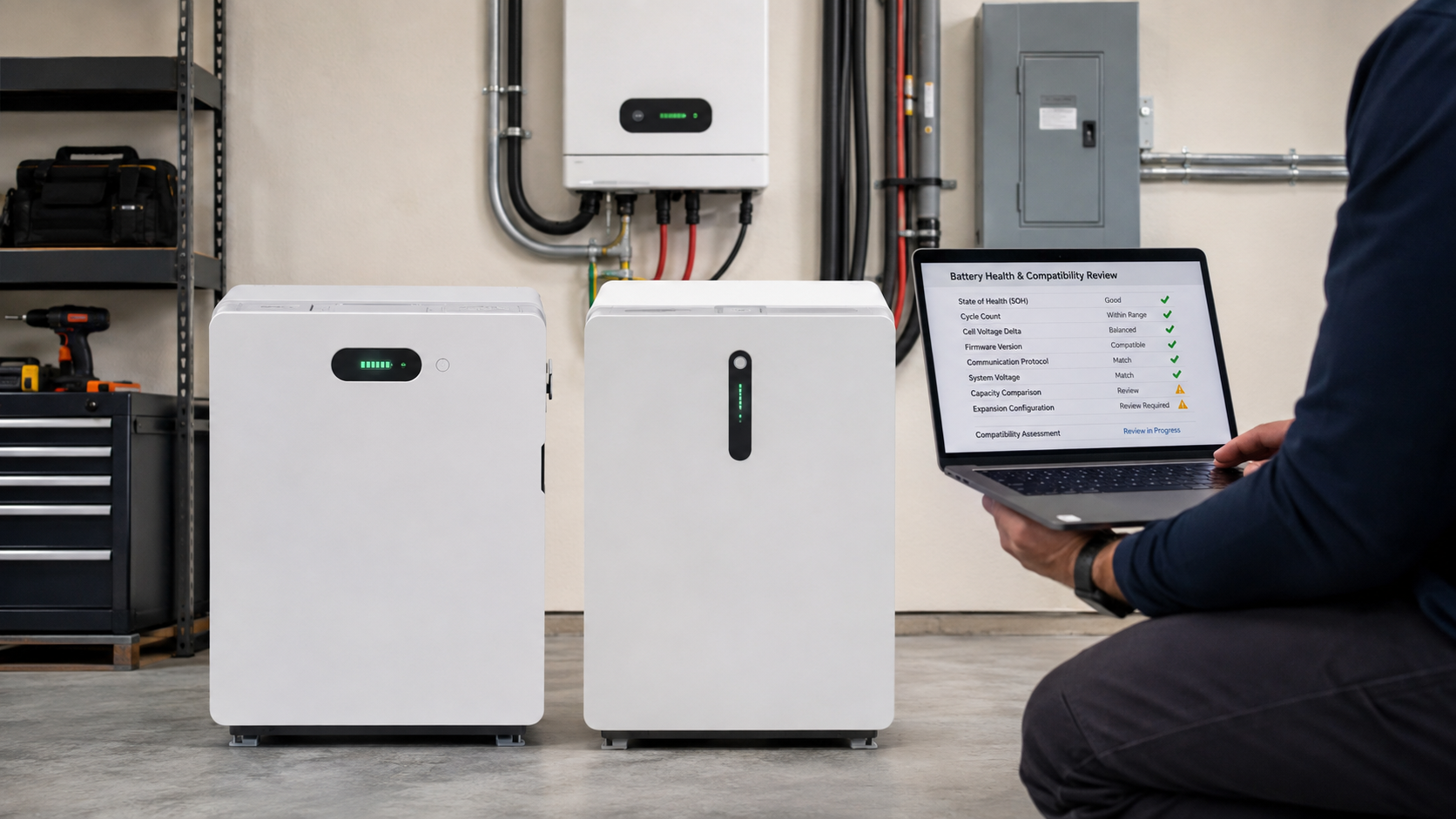
The short answer: OEM starts with a product brief, not a logo
A workable energy storage OEM/ODM project normally follows this path:
- Define the target market, customer and application.
- Convert the expected loads into capacity and power requirements.
- Match the battery with the inverter, BMS and communication protocol.
- Decide what really needs to be customized.
- Review documents, certification scope and shipping requirements.
- Validate samples before approving the production version.
- Freeze the approved specification before the first bulk order.
- Maintain the same configuration through production and after-sales.
For a simple brand launch, a validated product platform with new labels and packaging may be enough. A project with unusual voltage, a new enclosure, different BMS logic or a new communication protocol is a much deeper engineering project.
What is the difference between standard supply, private label, ODM and OEM?
Buyers often use these words as if they mean the same thing. They do not.
| Cooperation route | What usually changes | Best fit | Main risk |
|---|---|---|---|
| Standard platform | Nothing or only commercial packaging | First market test or small order | Less product differentiation |
| Private label | Logo, nameplate, carton, manual and brand presentation | A distributor building a local product line | MOQ, document ownership and label rules |
| ODM | An existing platform is adapted to the buyer's requirements | A brand that needs selected changes without starting from zero | Extra validation and possible certification impact |
| Deep OEM | Electrical, mechanical, BMS, firmware or system architecture is developed around the project | A larger program with unusual technical requirements | Higher development cost, longer approval and more testing |
The right choice depends on the gap between the product you can buy today and the product your market actually needs.
If the battery already matches the required voltage, capacity range, inverter and installation space, changing the brand presentation may be the most sensible route.
If the battery cannot meet the required peak current, communication protocol or environmental conditions, a logo change will not solve the problem.
Step 1: Start with the market and the load
The first useful question is not “What color should the cabinet be?”
It is:
What will the customer use this product to power, and under what conditions?
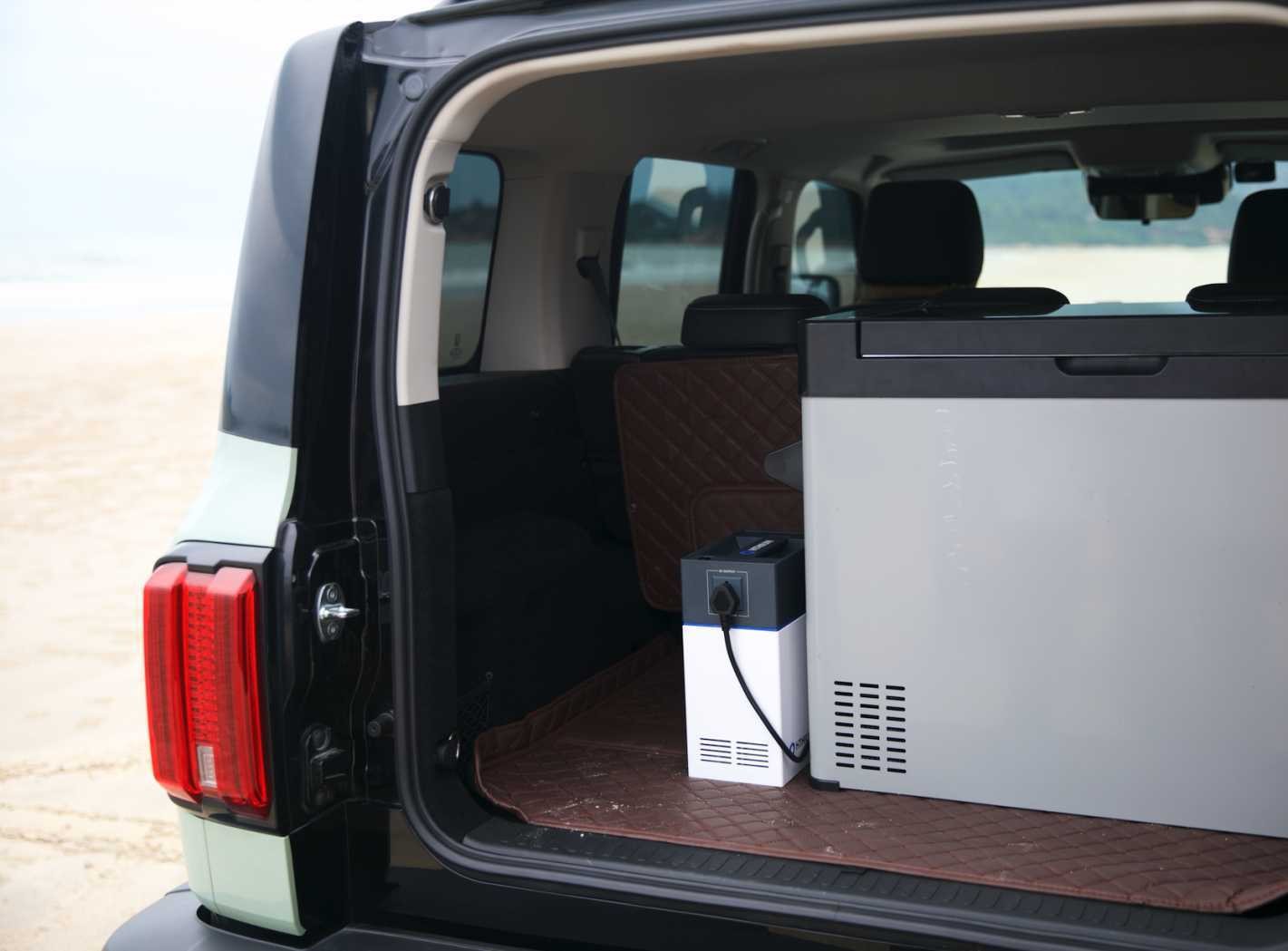
A home battery for a Vietnamese villa, a portable power station for small appliances in Nigeria, and a battery for a solar installer in the Philippines may all be described as energy storage products. Their technical and commercial requirements can be very different.
Before asking for an OEM quotation, describe:
- Target country and local compliance requirements.
- Customer type, such as distributor, installer, importer or project developer.
- Typical appliances or equipment.
- Average load and maximum load.
- Required backup duration.
- Solar, grid and generator conditions.
- Indoor, garage, outdoor, coastal or high-humidity installation.
- Expected sample quantity, first order and annual volume.
This information helps the supplier decide whether an existing platform is suitable or whether the project needs engineering work.

Step 2: Convert the application into battery requirements
Capacity is important, but it is only one part of the specification.
The battery must also deliver enough power, tolerate the expected current, and work with the inverter that controls the system.
At a basic level, the energy requirement can be considered like this:
Required battery energy ≈ load energy ÷ conversion losses ÷ usable battery fraction
The exact calculation depends on the product, inverter, operating strategy and required reserve. A 10kWh nameplate does not automatically mean that 10kWh will be available to the loads.

The RFQ should separate:
| Requirement | Why it matters |
|---|---|
| Nominal capacity in Ah or kWh | Defines the stored energy |
| Usable capacity | Defines what the customer can normally use |
| Continuous discharge power | Defines the load that can run for a sustained period |
| Peak power and duration | Matters for pumps, compressors, motors and startup events |
| Nominal voltage and operating range | Must fit the inverter or DC equipment |
| Charge current and charge power | Affects solar charging and recovery time |
| Depth of discharge and reserve | Affects runtime, protection and battery life |
| Expansion method | Determines whether the product can grow with the customer |
For a refrigerator, water pump or air-conditioning compressor, startup power may matter more than the average running power. For a router, LED lights or a phone charger, the energy demand may be small, but the system still needs the correct voltage, connector and low-load behavior.
Step 3: Understand the DC and AC path
This is the part that causes the most avoidable confusion.
The battery stores direct current, or DC. Most household wall sockets provide alternating current, or AC. A fixed home battery normally needs a compatible inverter to convert and control the energy before it reaches household circuits.
The basic path is:
Solar panels or grid
-> inverter and charger
-> battery DC terminals
-> BMS protection and communication
-> inverter AC output
-> household loads
A portable power station usually contains the battery, BMS, charger and inverter in one enclosure. Its USB ports and 12V outputs are DC outputs. Its AC socket is an inverter output. That is why a phone can be charged from USB while a household refrigerator can be connected to the AC outlet.
For a fixed home battery, the battery itself may have DC terminals and a communication port but no AC socket. The buyer must therefore confirm the battery-inverter combination as a system. It is not the same product category as a self-contained portable backup power station.
An OEM brief should state clearly:
- Which ports are inputs.
- Which ports are outputs.
- Whether the output is AC or DC.
- The voltage and current at each port.
- The connector type and pin assignment.
- Whether the battery requires an external inverter.
This information should appear in the product drawing, manual and label design. A new logo should never make the interface less clear.
Step 4: Match the battery and inverter at application level
“The battery has CAN” is not enough information.
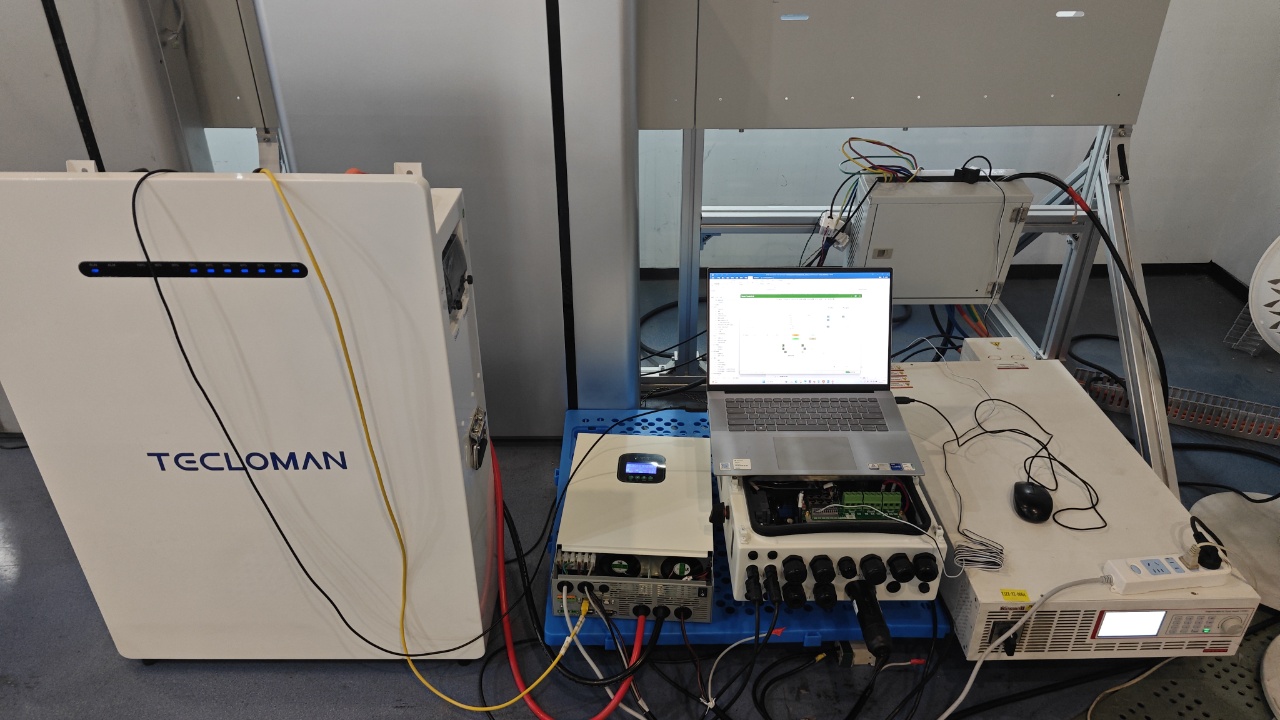
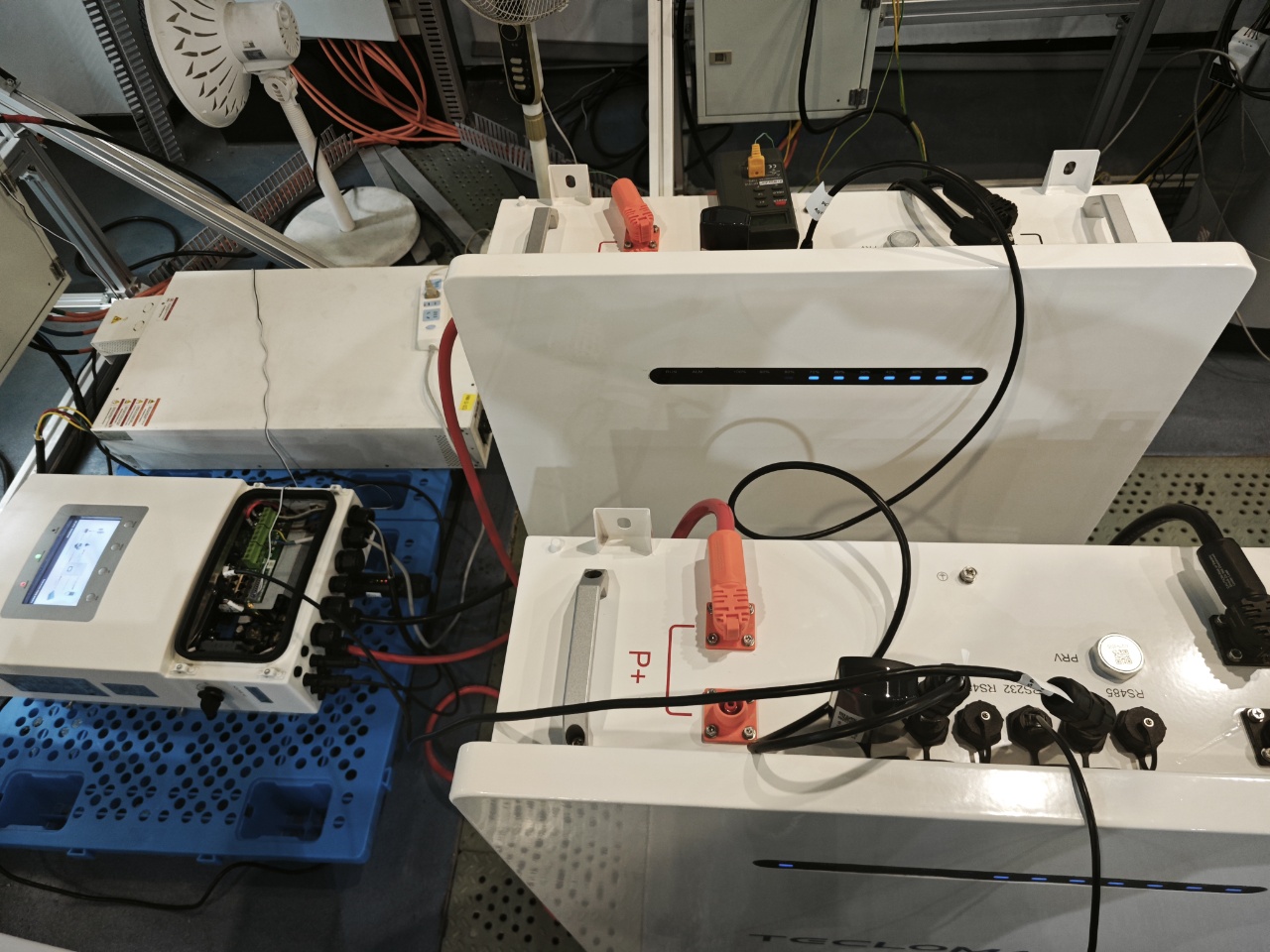
CAN identifies a hardware communication interface. It does not prove that the battery and inverter understand each other.
Before sampling, confirm:
- Battery nominal voltage and operating voltage range.
- Inverter battery voltage window.
- Maximum charge and discharge current.
- Battery and inverter model numbers.
- CAN or RS485 interface type.
- Connector and pin assignment.
- Communication speed, address and termination.
- Protocol version and data mapping.
- Firmware version.
- Charge and discharge limits exchanged by the BMS.
- Alarm, shutdown and restart behavior.
- Approved expansion or parallel configuration.
The battery may need to share state of charge, voltage, current, temperature, alarms, charge voltage limits and discharge current limits with the inverter.
The buyer should ask for a model-specific compatibility record, together with the exact inverter model and communication details. A battery that works with one model from a brand may not work with every model from that same brand.
For CVC's current matching route, buyers can review the energy storage battery range and send the exact battery model, inverter model, nominal voltage, capacity, PV input and backup load for confirmation.
Step 5: Decide what should actually be customized
Customization is easier to control when it is divided into layers.
Lower-risk changes
- Logo.
- Product name.
- Nameplate.
- Carton and packaging.
- User manual.
- Local-language labels.
- Marketing images and product presentation.
Medium-risk changes
- Capacity configuration.
- Module arrangement.
- Cabinet dimensions.
- Mounting method.
- Cable-entry direction.
- Connectors.
- Screen or monitoring functions.
- Selected BMS settings.
Higher-risk changes
- Cell type or cell supplier.
- Voltage platform.
- BMS hardware or protection logic.
- Firmware behavior.
- Communication protocol.
- Thermal design.
- Enclosure topology.
- IP or corrosion protection.
- Inverter or all-in-one system architecture.
The deeper the change, the more important it becomes to define a new test plan, document set, version number and certification route.
This is also why buyers should not start by asking for every possible customization. Start with the commercial problem. Then customize only the parts that solve it.
A real example: the Vietnamese 120-unit private-label project
The Vietnamese customer did not ask for a completely new battery from the first production unit. It wanted to launch its own home storage brand with a manageable pilot, then use field feedback to plan the next stage.
The first brief included:
- 120 private-label battery units for market testing.
- A repeat-order plan of more than 500 units per year after validation.
- A product direction for rooftop solar, residential backup and grid-connected projects.
- A need to handle hot, humid, rainy and coastal conditions around Ho Chi Minh City.
- Compatibility with the customer's selected inverter route and local project requirements.
The product direction was divided into two residential groups:
| Customer segment | Product direction |
|---|---|
| Standard homes and retrofit projects | Approximately 10-14kWh low-voltage wall-mounted storage |
| Larger homes and villas | An expandable direction in the 15-28kWh range |
The project used an existing platform as the starting point. The objective was to control the brand launch, environmental requirements, communication matching and document route without confusing a 120-unit pilot with a complete battery architecture redesign.
The Vietnam home battery OEM case study explains the project background and its technical boundaries in more detail.
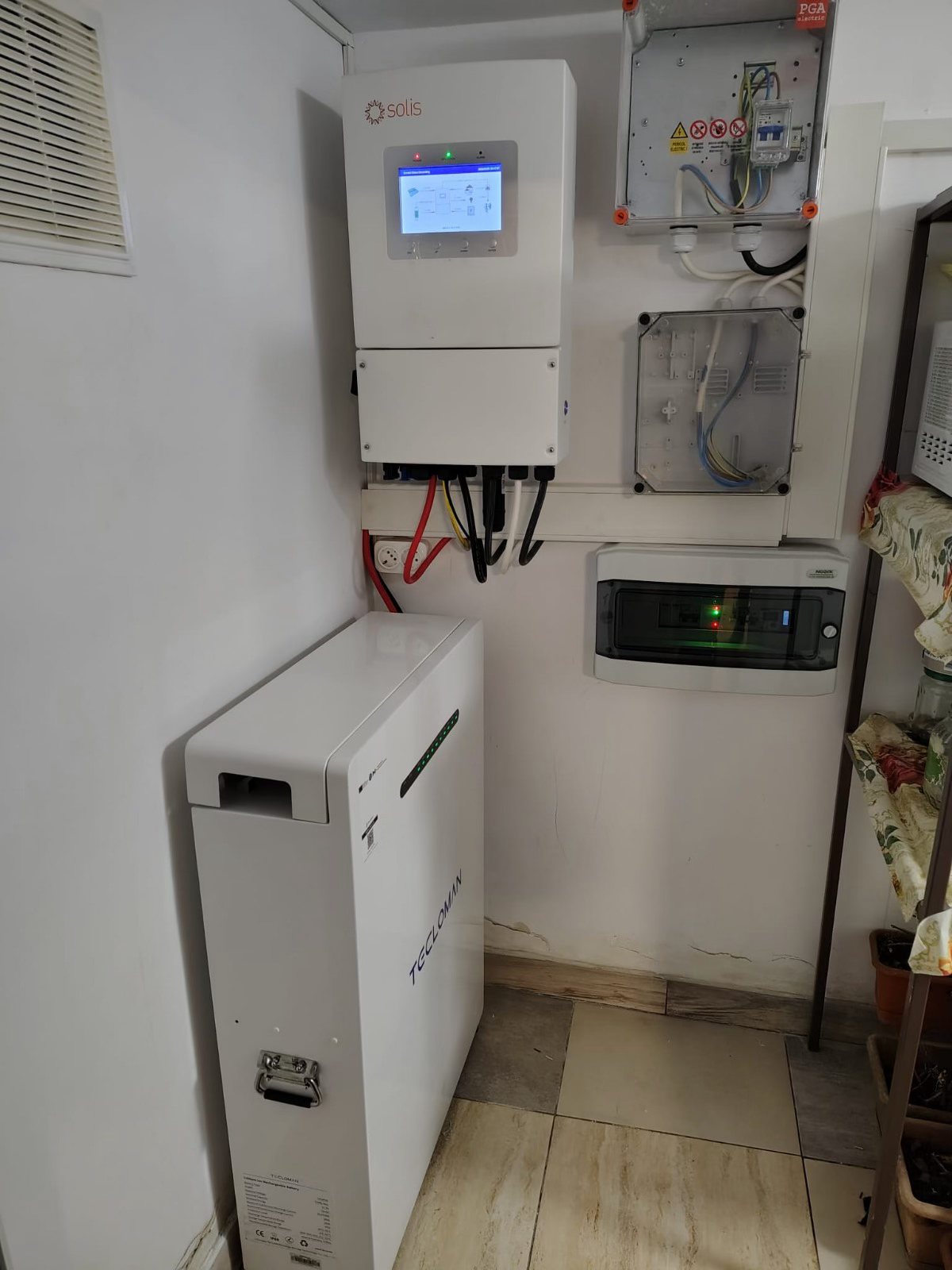
The lesson is useful for other distributors: a small OEM project can be commercially practical when the starting platform is stable and the customization scope is honest.
What should be checked during sample validation?
A sample checks whether the approved brand presentation and the approved technical configuration work together.
It should close the gap between the quotation, the technical file and the product that will eventually reach the customer's installation site.
| Validation area | Questions to answer |
|---|---|
| Electrical performance | Does the voltage, capacity and current match the approved specification? |
| Load behavior | Can the system handle the expected continuous and peak loads? |
| Inverter operation | Does charging, discharging and backup switching work with the exact inverter? |
| BMS protection | Do overcharge, over-discharge, overcurrent and temperature protections respond correctly? |
| Communication | Does the inverter receive SOC, alarms and charge/discharge limits correctly? |
| Environment | Are the temperature, humidity, sealing and corrosion requirements supported by evidence? |
| Installation | Do the dimensions, mounting points, cable path and maintenance access work on site? |
| Packaging | Does the carton protect the product and carry the required labels and shipping information? |
| Service | Can the buyer identify faults, replace approved parts and obtain technical support? |
The approved sample should receive a clear version number. The battery, BMS, firmware, connectors, labels, packaging and documents should all refer to the same approved configuration.
Certification and documents: confirm the exact model
A certification logo on a supplier website is not a complete compliance package.
The buyer should confirm:
- Which product model the document covers.
- Whether the tested configuration uses the same cells, BMS and enclosure.
- Which destination market the document applies to.
- Whether the document is for the battery, inverter, complete system or transport.
- Who is responsible for local registration or project approval.
- Which files are needed for customs, installation, sales and after-sales.
The document package may include:
- Datasheet.
- User manual.
- Installation guide.
- Product label and nameplate file.
- Packaging and shipping marks.
- UN38.3 and MSDS where applicable.
- Battery and inverter compatibility information.
- Test reports.
- Certification or declaration documents.
- Spare-parts and warranty information.
The final list depends on the product and destination market. CVC can coordinate the document request through the selected supply partner, but the responsible manufacturer, certificate scope and model number must remain clear. The CVC energy storage FAQ explains how model-specific documents, compatibility and OEM/ODM support are handled.
The CVC Downloads page explains the information buyers should provide when they need a model-specific document package.
MOQ, cost and timing: the part buyers should discuss early
OEM pricing is not determined by the logo alone.
The commercial result may depend on:
- Sample quantity and sample configuration.
- Product platform and capacity.
- New tooling or enclosure work.
- BMS or firmware changes.
- Testing and certification.
- Packaging and local-language documents.
- First-order quantity.
- Estimated annual volume.
- Spare parts and after-sales requirements.
- Dangerous-goods transport and export documents.
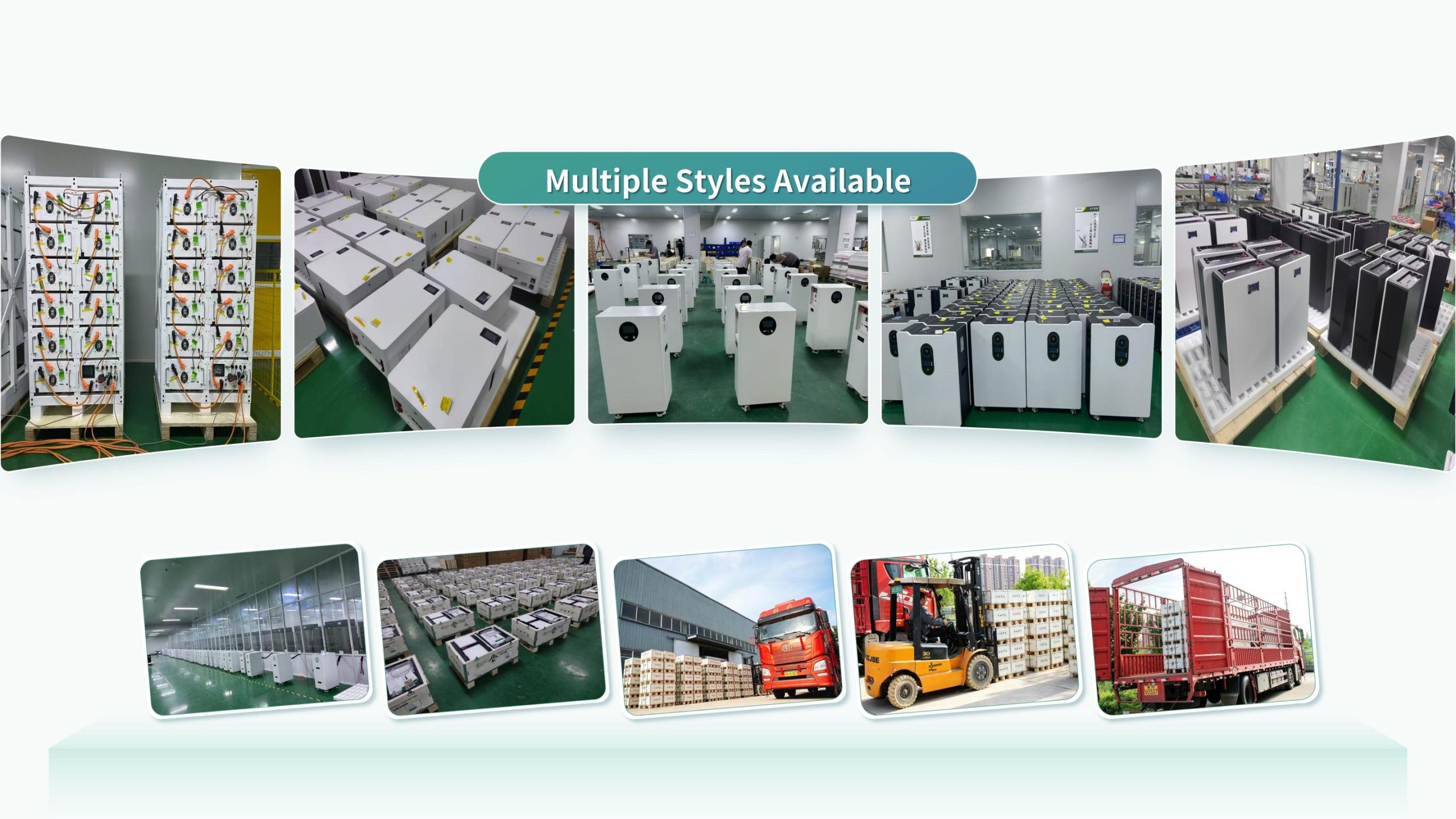
A 120-unit private-label project may work on a validated platform. A new enclosure, new BMS and new certification route can require a different budget and a different production plan.
Before comparing quotations, ask whether the price includes:
- Engineering or setup fees.
- Sample and testing charges.
- Packaging and artwork.
- Certification or document costs.
- Spare parts.
- Factory inspection or quality records.
- Export packaging and transport documents.
- Revalidation after a design change.
The cheapest line item can become the most expensive project if the product fails at installation or has to be redesigned after the first shipment.
What buyers should send before requesting an OEM quotation
The following information gives a supplier enough context to provide a useful first response:
Product and application
- Product category: portable power, home battery, all-in-one system or battery plus inverter.
- Target country and customer type.
- Typical loads and required backup duration.
- Solar, grid and generator conditions.
Technical requirements
- Target capacity and voltage.
- Continuous and peak power.
- Inverter brand and exact model.
- Communication interface and protocol.
- Installation location and environmental conditions.
- Required dimensions, mounting method and connectors.
Commercial requirements
- Sample quantity.
- Expected first order.
- Estimated annual volume.
- Logo, packaging and language requirements.
- Certification and shipping documents.
- Target launch date.
- Warranty and after-sales expectations.
If some information is not available, say so. It is better to identify an open question than to let a supplier fill in a critical technical parameter without confirmation.
Five common OEM mistakes
1. Treating branding as the whole project
A new label does not change a battery's voltage, peak current, communication or environmental limits.
2. Choosing capacity without checking power
A battery may have enough stored energy but still fail to start a pump, compressor or other high-inrush load if the inverter and battery current are insufficient.
3. Assuming a brand list proves compatibility
The exact inverter model, firmware and communication profile still need to be checked.
4. Treating company-level certification as model-level approval
The buyer should match the document to the exact product configuration and destination market.
5. Changing components after approval without version control
A different cell, BMS, connector or firmware revision can create a different product even when the model name remains the same.
What CVC does in an OEM/ODM project
CVC Energy is a product sourcing, matching and export-coordination partner. We do not present every manufacturing partner's facility or certificate as CVC's own.
For a suitable project, we can coordinate:
- Requirement organization.
- Product-platform comparison.
- Supplier and factory communication.
- Battery and inverter matching.
- Model-specific documents.
- Sample and quotation coordination.
- Packaging and label requirements.
- Certification-scope review.
- Production and export preparation.
- After-sales and technical-support communication.
The starting point is the project brief. Send the target country, product type, capacity or power target, exact inverter model, expected quantity and customization scope through the CVC OEM/ODM service page, or contact CVC for a project review.
FAQ
Can I put my own logo on a home battery?
Yes, for eligible products and order quantities. Logo, nameplate, packaging and manuals are usually discussed within the selected product platform. The exact MOQ, file format and document route must be confirmed with the responsible manufacturing partner.
Is a private-label project the same as a full OEM project?
No. Private label normally uses an existing product platform with brand and packaging changes. Full OEM may involve electrical, mechanical, BMS, firmware or system-level development.
How many units are needed for an OEM project?
There is no single number for every product. MOQ depends on the model, customization scope, packaging, sample route and expected production plan. A small pilot is more practical when it starts from a validated platform.
Does a CAN port mean that the battery is compatible with my inverter?
No. The exact protocol, pin assignment, communication settings, firmware and charge/discharge control logic must also match.
What should I send before asking for a quotation?
Send the target market, application, product category, capacity, voltage, continuous and peak power, inverter model, communication requirement, expected quantity, branding scope and required documents.
Conclusion: make the first version repeatable
A successful energy storage OEM/ODM project gives the market a product that looks like your brand and behaves like an approved, supportable system.
The first version should be technically matched, documented, testable and repeatable. That is why the best starting point is often a clear product brief and a proven platform.
The Vietnamese 120-unit project followed this logic. The customer used a controlled private-label route to test its market, while keeping deeper battery, inverter and all-in-one development as separate future workstreams.
If you are planning a private-label home battery, portable power station or battery-inverter package, send CVC your target market, expected loads, required capacity, inverter model and order plan. We can help identify which parts belong to an existing platform, which parts need validation, and which customization route is commercially sensible.

Peter Yin
Send a Project Inquiry
Tell us your target market, product category, application, inverter model, expected quantity and customization scope.