
The distributor decision is bigger than battery voltage
The low-voltage vs high-voltage home batteries decision is not only about whether a battery can operate with an inverter. For a distributor, the real question is which product platform fits the local customer base, installer capability, price range and repeat-order potential.
Low-voltage and high-voltage batteries serve different parts of the residential storage market. A useful product portfolio does not treat one as universally better. It assigns each platform a clear commercial role, then connects that role to the inverter range, documents and after-sales process the channel can support.
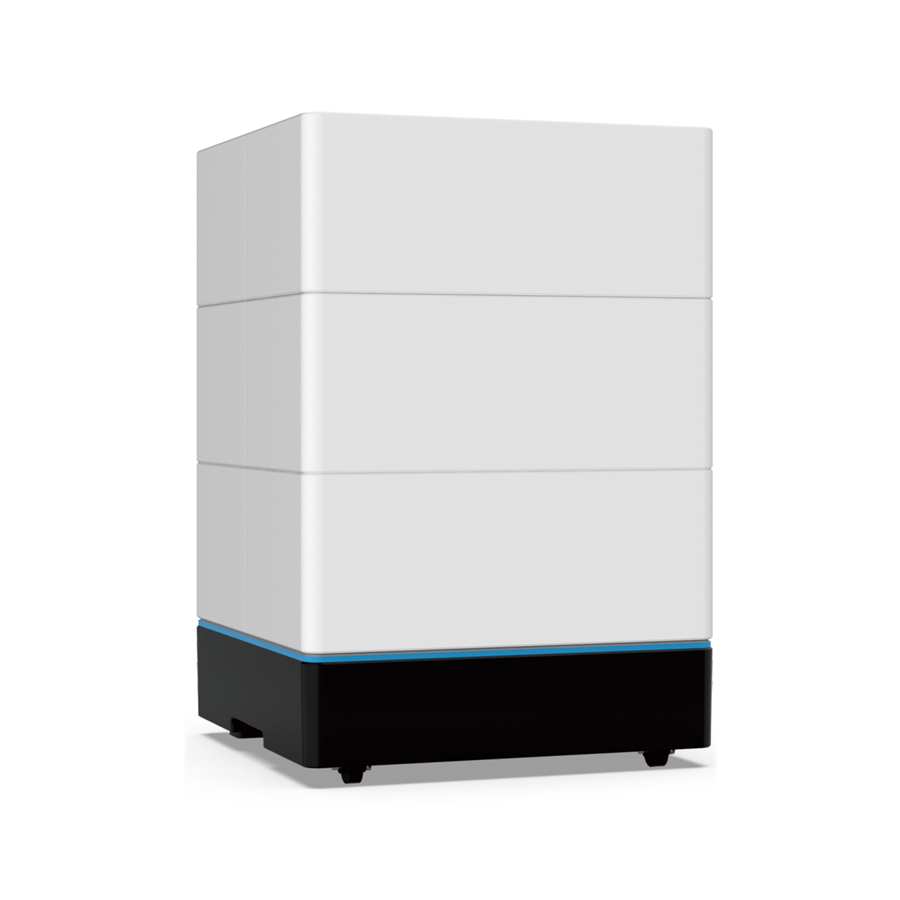
Low voltage and high voltage are different channel platforms
Low-voltage and high-voltage labels describe the battery-side architecture. They influence the inverter range, current at a given power level, cabling, module configuration, installation workflow and the type of project that makes commercial sense.
For a distributor, the important question is not “Which voltage is best?” It is “Which voltage should be the entry product, which should be the upgrade path and which projects should be quoted only after technical review?”
| Portfolio question | Low-voltage platform | High-voltage platform |
|---|---|---|
| Typical sales role | Standardized residential backup and smaller solar-storage projects | Larger residential, higher-power and three-phase storage projects |
| Commercial advantage | Broad familiarity and easier entry for local installers | Stronger fit for projects where power and system scale justify a higher technical threshold |
| Technical focus | Battery current, parallel quantity, cable and BMS limits | Voltage window, series configuration, inverter matching and installation safety |
| Channel requirement | Repeatable quotation templates and a wide installer base | Stronger engineering support and model-level system matching |
Where a low-voltage range earns its place
A low-voltage range is often the practical entry point when the market contains many standard homes, small businesses and solar installers that already understand 48V-class battery systems. It can support a product ladder that starts with a smaller configuration and expands when the customer needs more backup energy.
The commercial value is not simply the nominal voltage. It is the repeatability of the sales process. If the same inverter families, installation methods, cable rules and document set can be used across many quotations, the distributor can train more installers and keep the first product launch easier to explain.
CVC’s Firefly low-voltage range is listed as a 51.2V LiFePO4 platform with 3.6–14.4kWh configurations. That makes it useful as an example of a modular entry-to-mid-range product line, while the final combination still depends on the selected inverter and project requirements. Review the Firefly low-voltage home battery information when building the first product shortlist.
What the distributor must control
The main risk is treating a low-voltage battery as a high-power solution simply because its energy capacity looks large. At the same power level, a lower battery voltage requires more current. The distributor must therefore keep continuous discharge current, peak current, cable size, protection devices and approved parallel quantity in the quotation record.
Low voltage is also not a shortcut around BMS communication. The battery and inverter still need a model-level protocol, firmware and operating profile. The existing battery–inverter quotation checklist should be used for that technical handoff rather than repeating its full checklist in this channel-planning article.
Where a high-voltage range creates a stronger offer
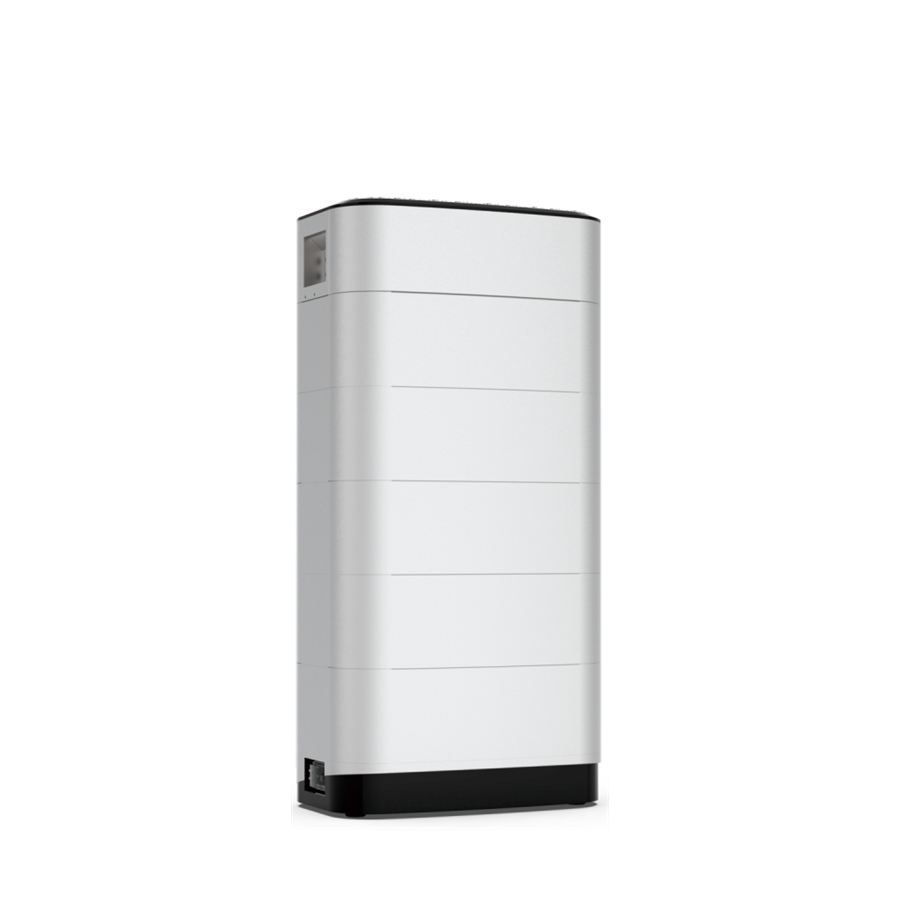
High-voltage batteries become more relevant when the target projects need larger usable energy, higher inverter power, three-phase operation or a cleaner battery-side current design. They are often a better fit for premium homes, larger villas, small commercial sites and installers already handling engineered solar-storage projects.
The commercial opportunity is a more capable project range, not a promise that every customer should move to high voltage. A distributor can use the high-voltage line to protect larger quotations from being forced into an undersized low-voltage architecture.
For example, CVC’s Firefly Pro high-voltage range is listed with 7.5–20.0kWh usable capacity, 2.5kWh modules and nominal configurations from 153.6Vdc to 409.6Vdc. Those specifications show why the product belongs in a different project conversation from a standard 51.2V entry platform. See the Firefly Pro high-voltage battery page for the current configuration range.
What the distributor must control
High voltage increases the importance of configuration discipline. The quotation should identify the exact battery module count, operating voltage window, compatible inverter family, installation method and required documents. The product should not be presented as a generic substitute for every high-power battery system.
High-voltage projects also require a clearer separation between sales qualification and engineering confirmation. The sales team can identify the application and target capacity. The technical review must confirm the model combination, phase configuration, local requirements and commissioning path before the commercial offer is finalized.
Build the portfolio around customer routes
A useful distributor portfolio normally has a lead range, a step-up range and a review route. This is more practical than stocking many voltage platforms without assigning them a sales role.
| Customer route | Recommended portfolio role | What the sales process should capture |
|---|---|---|
| Standard home backup | Lead with a modular low-voltage range | Critical loads, desired capacity, inverter model, quantity and local installer route |
| Larger villa or three-phase home | Offer high voltage as the planned system platform | Phase structure, output power, battery voltage window, backup circuits and expansion plan |
| Mixed customer base | Keep both ranges, but separate the quotation templates | Customer type, project size, installer capability and approved product route |
| Unclear or engineered project | Move to a technical review before promising a product | Exact models, documents, communication profile and target market requirements |
Plan inventory, training and after-sales together
The product decision becomes a business decision when the distributor considers what happens after the first sale. A low-voltage range may need more attention to parallel batteries and current limits. A high-voltage range may need more attention to inverter selection, installation training and model-specific commissioning.
Before launching either platform, align four operating assets:
- A product shortlist with a clear role for each model and capacity.
- An inverter matching route that records voltage, current, phase and communication requirements.
- A document package that the sales and installation teams can use in the local market.
- An after-sales path for fault evidence, firmware questions, replacement decisions and supplier escalation.
The CVC distributor program page describes the wider portfolio and support route. It should be read as the commercial handoff after the product role has been defined, not as a replacement for model-level technical review.
The practical product-line decision
Use low voltage as the broad entry platform when the market is driven by standardized home backup, familiar installation methods and repeatable mid-volume quotations. Use high voltage as the step-up platform when projects require larger energy, higher power, three-phase architecture or a more engineered sales process.
The strongest distributor portfolio is not the one with the most battery models. It is the one where each voltage platform has a defined customer route, a matching inverter path, a usable document package and an after-sales process that the local team can actually deliver. This low-voltage vs high-voltage home batteries framework helps the channel connect initial qualification to the correct technical review route.

Peter Yin
Plan your battery product range
Tell us your target market, customer types, inverter range and expected quantity. We can help organize a low-voltage or high-voltage product shortlist for your channel.