
For African distributors, a portable power station is not just a battery with an inverter inside. It is a product that must be easy to explain, easy to move, practical during outages and simple enough for a new customer to use. The best-selling models sit at the point where household backup, small-business continuity and entry-level solar meet.
That is why the itel Power Tank 500 category matters. A roughly 1kWh battery with 500W-class output gives distributors a clear proposition: backup for lights, phones, routers, fans, laptops and selected small appliances without the installation complexity of a full home system. This article looks at the itel IESS-05K10N benchmark and compares it with CVC Energy ES-SXCN500 from a distributor’s point of view.
Why the itel Power Tank Fits the African Market
The African backup-power market is diverse, but many customers share the same first-stage problem: electricity is available, yet not reliable enough for everyday work and communication. A portable product can address this gap without asking the customer to redesign the home or install a permanent battery room.
For a distributor, the commercial appeal is equally clear. The product can be demonstrated in a shop, moved between locations, sold through solar channels and introduced to households that are not ready for a larger system. Its value is visible when the grid drops: the customer can keep essential devices running within seconds.
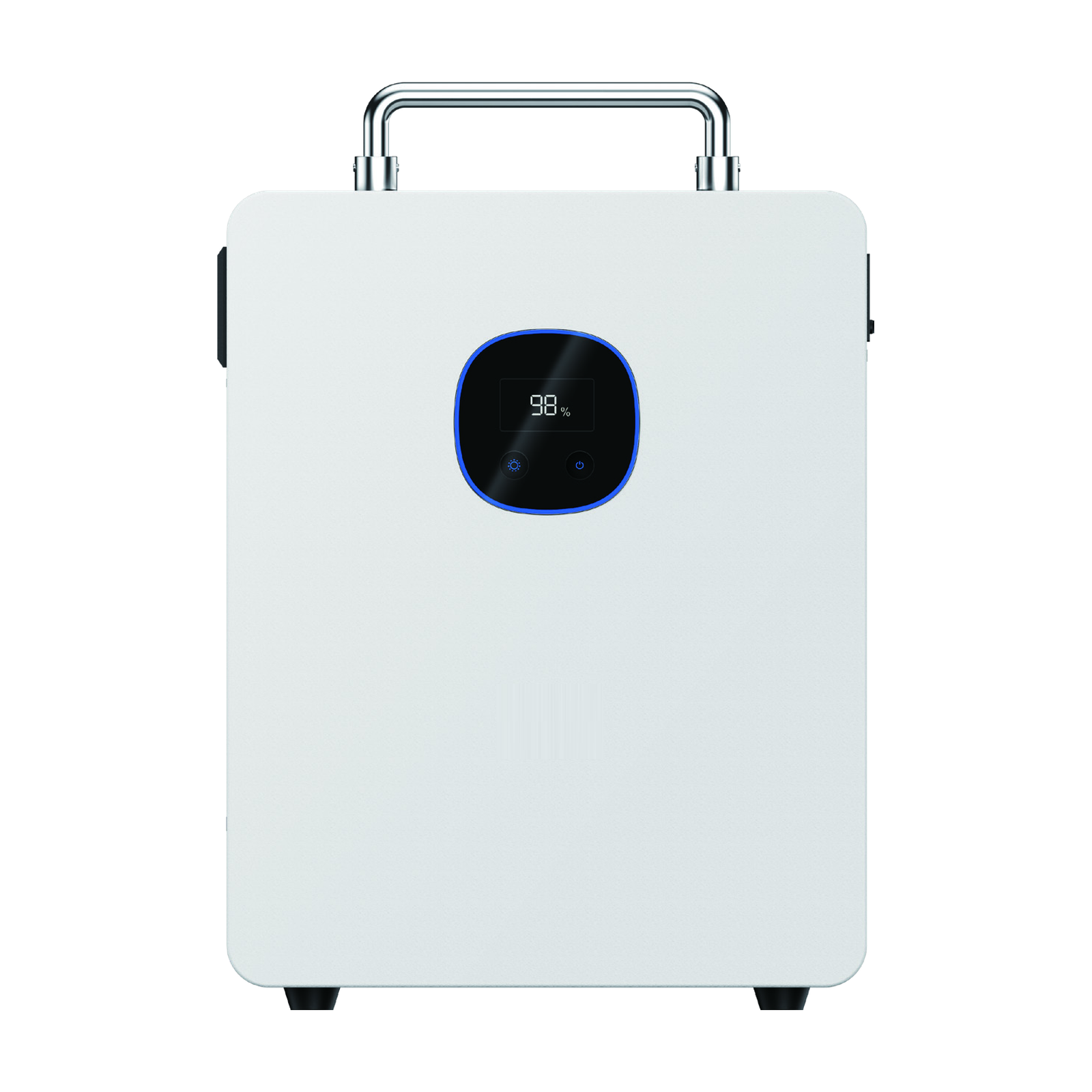
Why Distributors Look for an itel Power Tank Alternative
Retail recognition can help a product enter the market, but distributors also need a workable channel model. They have to protect margin, manage stock risk, answer technical questions and supply customers consistently across different cities or countries.
In practice, the search for an alternative usually comes from five business needs:
- A landed cost that leaves room for distributor, reseller and installer margin.
- Stable access to stock when a local campaign or tender creates demand.
- Specifications that can be explained using familiar 500W and 1kWh language.
- A product format suitable for solar shops, telecom backup and household retail.
- Supplier support for documents, samples, packaging, accessories and after-sales coordination.
This is the difference between comparing two products on a web page and choosing a product that can support a repeatable sales channel.
What a Good itel Power Tank Alternative Should Match
A strong alternative should match the customer’s buying logic before it tries to win on extra features. The first screen is capacity and output: around 1kWh storage and 500W-class AC output place the product in a familiar use-case band.
The second screen is charging. African distributors should check whether the unit supports grid charging, PV charging, the local voltage environment and the solar-panel configurations that their installers commonly sell. A wide MPPT window can be useful, but the maximum PV input and connector arrangement still need to be clear.
The third screen is channel readiness: battery chemistry, cycle-life statement, warranty handling, carton dimensions, plug options, user documentation and the supplier’s response time. These details influence returns and customer trust just as much as the headline watt-hour number.
Introducing ES-SXCN500 as a Comparable Option
CVC Energy ES-SXCN500 sits in the same commercial conversation: a compact LiFePO4 portable energy-storage system for essential backup, mobile power and entry-level solar charging. The 1004.8Wh version uses a 500W rated AC output and is positioned for distributors that need a compact 1kWh-class product.
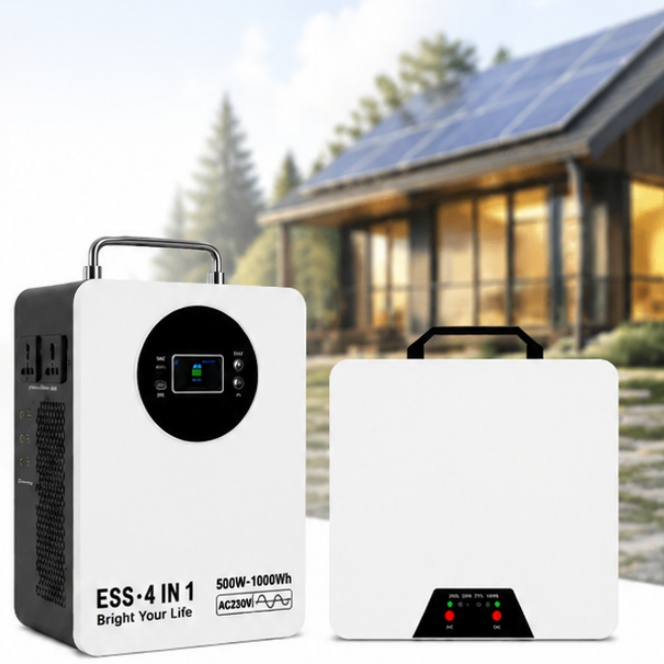
Its commercial role is straightforward: give distributors a model that can serve the same essential-load conversation while leaving room to build a quotation around quantity, accessories, packaging and market requirements.
itel IESS-05K10N vs ES-SXCN500: Distributor Comparison
The comparison below uses the published product information available for the two models. It focuses on the points that affect product positioning, customer qualification and channel economics.
| Item | itel IESS-05K10N | CVC ES-SXCN500 | Distributor meaning |
|---|---|---|---|
| Battery capacity | 1000Wh class | 1004.8Wh | Both fit the 1kWh essential-backup conversation. |
| Battery chemistry | LiFePO4 | LiFePO4 | Suitable for a cycle-oriented portable product position. |
| Rated AC output | 500W | 500W | Clear fit for lighting, communications, laptops, fans and selected small loads. |
| Peak output | Check market-specific datasheet | 1000W peak for 3 seconds | Short startup surges can be discussed clearly with customers. |
| Maximum PV input | Up to 400W | Up to 300W | itel offers more solar-input headroom; ES-SXCN500 remains suitable for a compact PV kit. |
| Solar input range | 11–60V | 18–55VDC MPPT | Panel matching and installer guidance are essential in both cases. |
| Cycle-life statement | Up to 6000 cycles stated | At least 4000 cycles; 80% retention stated | itel has the stronger headline cycle claim; ES has a clear cycle and retention position. |
| Channel advantage | Recognized retail benchmark | Flexible quotation and product-matching discussion | The right choice depends on brand pull, price structure, support and availability. |
For the published itel specifications, see the itel Power Tank 500W / 1000Wh product document. For CVC specifications, see the ES-SXCN500 product page.
Where itel Is Stronger
itel has an advantage when the distributor’s sales process benefits from consumer brand recognition. A known name can shorten the explanation at retail, make the product easier to search for and give first-time buyers a familiar reference point.
The IESS-05K10N specification set also gives itel a stronger headline position in two areas: the stated 400W maximum PV input and the stated up-to-6000-cycle figure. These points can support a premium conversation when the local market values brand, solar-input capacity and a long-life claim.
The trade-off is that brand-led demand can also mean tighter retail-price expectations and less freedom for a distributor to shape the offer around a local channel, private packaging or a project quotation.
Where ES-SXCN500 Creates Channel Opportunity
ES-SXCN500 creates room for a distributor to sell the use case and the commercial package together. Its 500W output and 1004.8Wh storage are easy to position, while the 1000W three-second peak gives sales teams a clear explanation for brief startup demand.
It also gives the channel a practical quotation starting point. A distributor can build an offer around a sample, a target order quantity, plug configuration, carton and label requirements, user documents, solar-panel matching and after-sales responsibilities. That flexibility matters when the same product must be sold through different countries or through both retail and installer channels.
ES-SXCN500 is a good fit for a buyer who values comparable core parameters, stable quality, workable purchase economics and supplier coordination. The product’s 300W PV limit is lower than itel’s published 400W figure, so the solar kit should be specified honestly and matched to the customer’s daily recharge window.
Which African Customers Can This Product Serve?
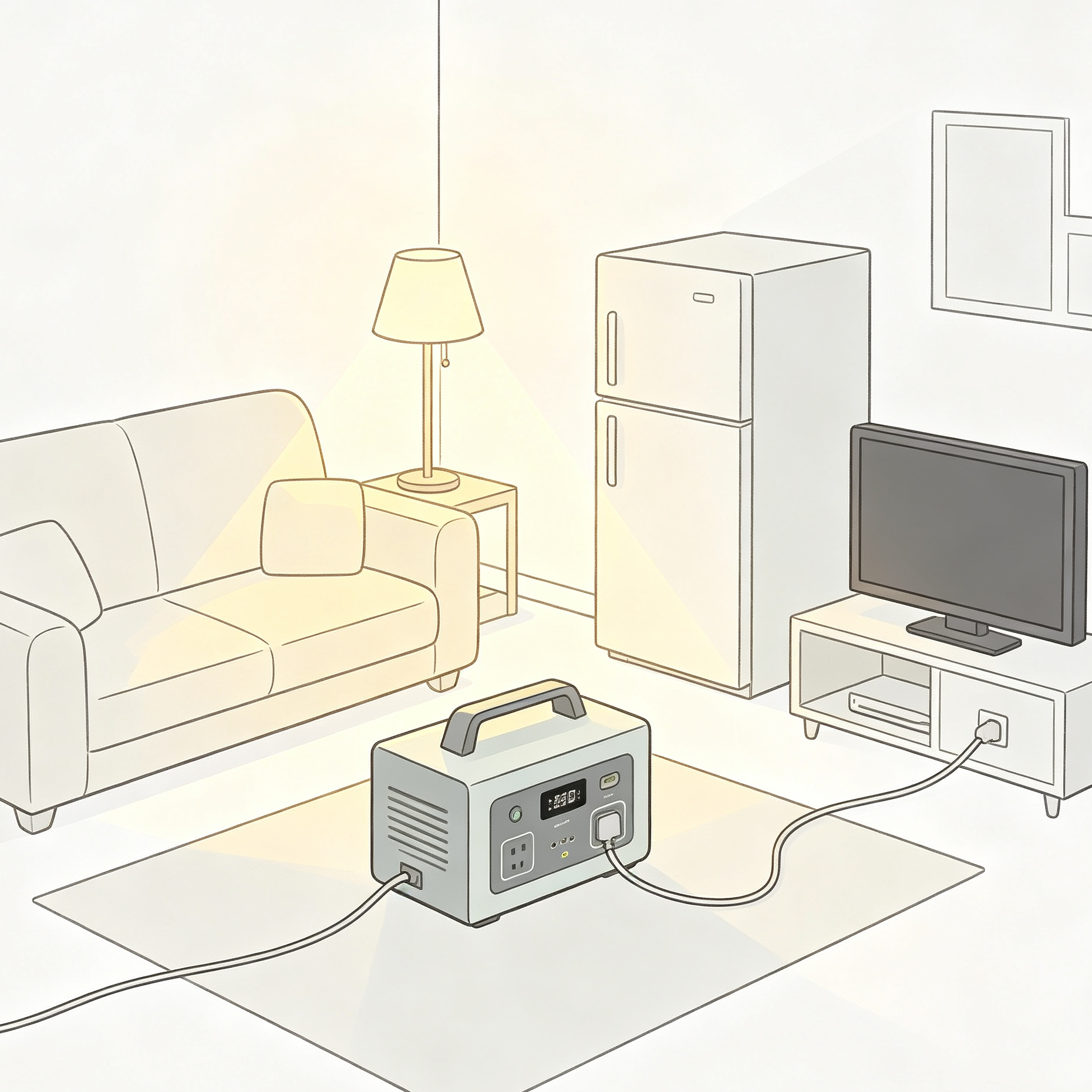
For distributors, the most useful customer segments are those with a clear, limited load list:
- Households that need evening lighting, phone charging, Wi-Fi and a small fan during outages.
- Small shops, salons, kiosks and mobile businesses that need communication and point-of-sale continuity.
- Students, remote workers and field teams that need laptop and router backup.
- Solar retailers looking for an accessible first product before moving customers toward larger systems.
- Telecom, security and service teams that need portable power for short field operations.
It is less suitable for customers expecting to run air conditioners, electric cookers, pumps, large refrigerators or several high-power appliances for a long period. Those customers should be qualified toward a larger battery and inverter solution.
Distributor Questions Before Choosing the Alternative
Before committing to a market launch, ask the supplier and your own sales team the same questions customers will ask:
- What are the exact AC, DC, USB and solar-input specifications for the target market version?
- Which plug, charger and user-manual options are available?
- What quantity is realistic for a first order, and what is the repeat-order lead time?
- Can the supplier provide samples, product photos, cartons, labels and technical documents?
- How will warranty claims, replacement units and troubleshooting be handled locally?
- Which customer loads will the sales team recommend, and which loads must be excluded?
These questions turn a product comparison into a channel plan. They also protect the distributor from selling a 1kWh portable product as though it were a whole-home battery.
Looking for a Better-Priced Alternative to itel Power Tank?
If you are evaluating a better-priced alternative for your African distribution channel, send your target country, expected quantity, required plug, typical customer loads and target purchase price. CVC Energy can help you review the ES-SXCN500 direction, match the configuration and prepare the next quotation.
Click here to request a better-priced itel Power Tank alternative
Buyer FAQ
What is the main difference between the two products?
Both sit in the 500W and 1kWh-class portable backup category. itel has stronger brand recognition and a higher published PV-input and cycle-life headline. ES-SXCN500 offers comparable core capacity and output with a quotation and channel-planning approach that can be adapted to distributor requirements.
Can ES-SXCN500 run the same basic loads?
It can serve the same type of essential-load conversation: lights, phones, routers, laptops, small fans, small TVs and selected low-power devices. The actual runtime depends on load wattage, battery condition, inverter efficiency and operating conditions.
What solar panel can be used with ES-SXCN500?
The ES-SXCN500 MPPT input is specified at 18–55VDC with up to 300W PV input. The final panel configuration should be checked against the datasheet, local sunlight conditions, connector requirements and the customer’s recharge target.
Can distributors customize the product offer?
Distributors can discuss quantity, plug configuration, packaging, labels, documentation, accessories and after-sales coordination with the supplier. The available options should be confirmed for the target country before a purchase order is finalized.
The Conclusion for African Distributors
If you want to open a market comparable to the itel Power Tank category, choose a product with similar parameters, stable quality and dependable after-sales support. ES-SXCN500 deserves to be on the shortlist.

Peter Yin
Looking for a better-priced alternative to itel Power Tank?
Tell us your target country, expected quantity, required plug, typical loads and target purchase price. We can help you review the ES-SXCN500 direction and prepare the next quotation.