
The energy storage OEM ODM process usually starts with a product platform, a target market, and a clear private-label scope.
A home energy storage OEM/ODM project usually starts with a simple question: “Can you put our logo on the battery and inverter?”
Sometimes the answer is yes. But the better question is: what level of ownership and customization does your business actually need?
A distributor testing a new market may only need a private-label version of an existing product. A large importer with an established sales channel may need a long-term brand strategy. A project developer with special grid, cooling, or EMS requirements may need full OEM development.
These are different routes with different costs, responsibilities, certification implications, and minimum order requirements.
CVC ENERGY can support selected private-label projects from 100 units when the order is based on a mature product platform and does not require changes to the internal hardware, BOM, BMS parameters, or firmware. That route is very different from developing a completely new battery or inverter system.
OEM, ODM, private label, or factory-brand distribution?
The terms are often mixed together in supplier conversations. They should not be.
| Model | Suitable for | Typical changes | Certification and manufacturer information | Typical business objective |
|---|---|---|---|---|
| Factory-brand distribution | New buyers and market testing | Usually no brand change | Factory brand and manufacturer remain visible | Start selling with the lowest setup cost |
| Private label or white label | Distributors building an early-stage brand | Logo, labels, packaging, manuals, and approved sales materials | Original manufacturer information normally remains | Test a branded offer without developing a new product |
| Full OEM | Established channels or customers with special requirements | Hardware, BOM, BMS, enclosure, interfaces, firmware, or system logic | May require a new assessment or certification route | Build a product controlled by the buyer |
| ODM | Buyers who need a new platform or major design work | Product structure, functions, electrical design, and software may change | Full engineering and compliance review is normally required | Develop a differentiated product for a specific market |
A 100-unit order is usually practical when it follows the private-label route. It is not a realistic way to fund unlimited product redesign.
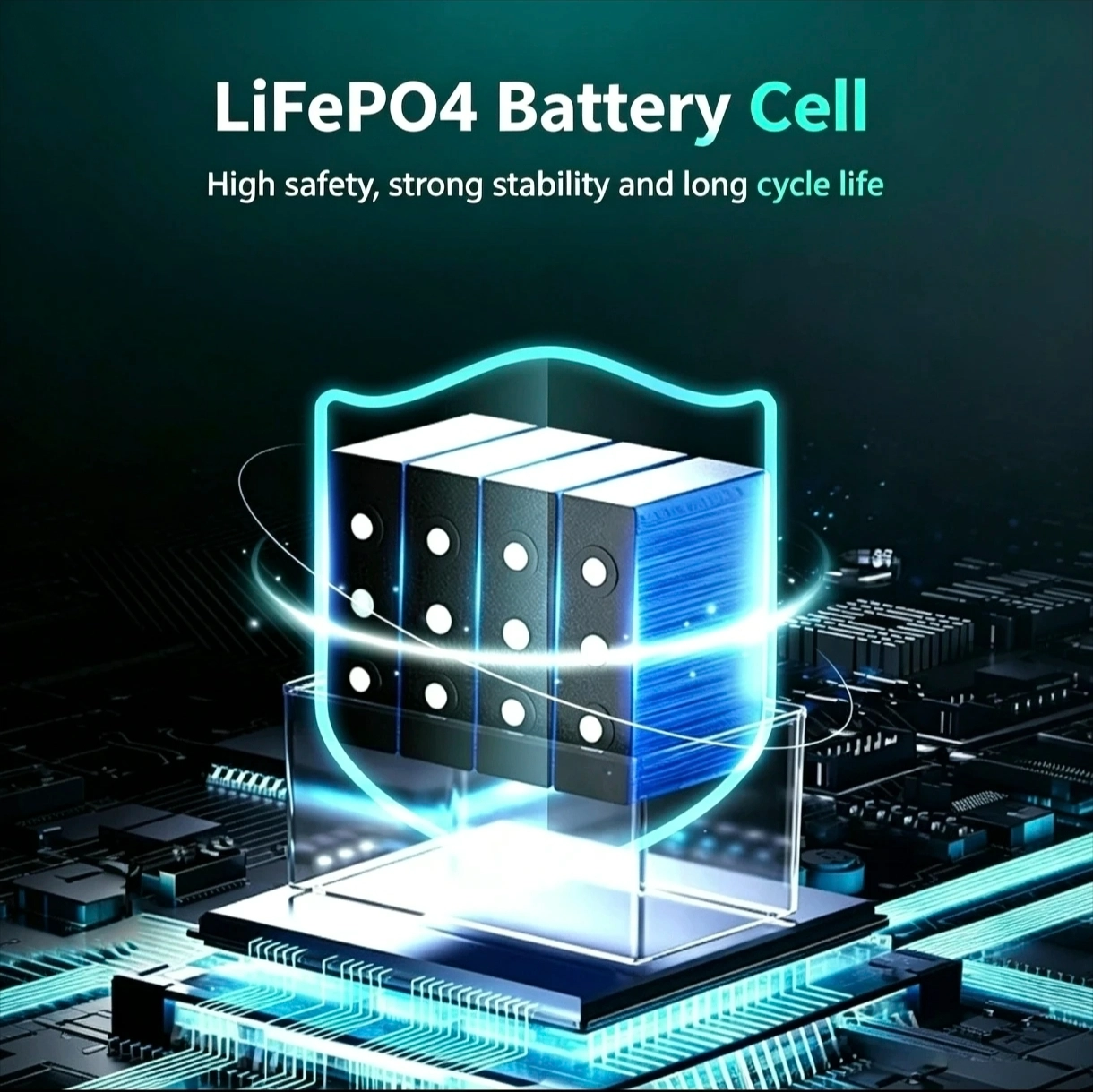
What a standard home energy storage OEM/ODM project usually includes
A normal project begins with an existing model or product platform. Before discussing a logo, the buyer and supplier need to agree on the system itself.
Product and system selection
The buyer normally needs to confirm:
- Battery capacity and usable energy
- Low-voltage or high-voltage architecture
- Continuous and peak power requirements
- Target inverter models
- PV, backup, and generator requirements
- Installation environment
- Target countries and market regulations
- Expected order volume and repeat-order plan
A battery and inverter kit should be treated as one system during the review. A battery that looks suitable on a datasheet may still fail to work correctly with a specific inverter if the voltage range, current limits, communication protocol, or firmware do not match.
Brand and packaging customization
Standard private-label work may include:
- Logo placement
- Product labels and nameplates
- Carton artwork
- Pallet and shipping marks
- User manuals
- Installation guides
- Local-language materials
- Approved accessory and cable combinations
The changes should be documented before production. A logo file, packaging drawing, or manual revision that is changed after production approval can create avoidable delays and version confusion.
Samples, MOQ, and pilot validation
A practical project normally passes through three stages:
- Sample review
- Pilot or initial production
- Repeat production based on an approved configuration
The sample should be checked for more than appearance. Buyers should confirm the electrical specification, battery-inverter communication, labels, packaging, documents, and installation process.
Once the sample is approved, the buyer should freeze the relevant BOM, firmware version, documents, and acceptance criteria. Otherwise, the first batch and later batches may not be identical.
Technical documents and compatibility
The document package may include technical files and product downloads:
- Datasheets
- User manuals
- Installation manuals
- Wiring diagrams
- Compatibility lists
- CAN or RS485 communication information
- Test reports
- Certificates
- Warranty terms
- Troubleshooting instructions
The exact documents depend on the model and destination market. A supplier should not promise that one certificate or compatibility list automatically covers every battery, inverter, or country.
When does it make sense to use your own brand?
A private brand is not automatically the right choice for every 100-unit order. It makes more sense when the brand supports a longer business plan.
1. You have a mature local channel and want a long-term energy storage brand
An established distributor or importer may already have:
- Local sales staff
- Installer relationships
- A repeat customer base
- Warehousing or service capability
- A plan to sell several hundred units over time
In that situation, selling only a factory brand can create a channel problem. The distributor invests in marketing, but the end customer may later search for the original Chinese supplier and bypass the local channel.
A private brand gives the distributor an asset it can build locally. Customers see the distributor’s name, packaging, documentation, and service promise rather than treating the distributor as a replaceable middleman.
For a one-time 100-unit market test, however, full OEM is usually unnecessary. A private-label arrangement based on a mature model is often the more sensible first step.
2. You need hardware, BOM, or firmware changes for a specific market
Some buyers need more than branding. They may require:
- A specified cell brand
- Different BMS protection settings
- Extra cooling for a hot climate
- A different enclosure size
- New cable or interface positions
- Changes to grid or backup logic
- Integration with their own EMS or cloud platform
- Special harmonic or grid requirements
These requests move the project toward full OEM or ODM.
For example, a buyer in the Middle East may require a different thermal design. Another market may impose special grid conditions. A large system integrator may insist on a specific cell supplier or its own monitoring platform.
Once the BOM, hardware, BMS parameters, or firmware changes, the original private-label derivative arrangement may no longer apply. The changed configuration needs a new technical and compliance review, and the original certificate cannot simply be assumed to cover it.
3. A local tender or regulation requires the brand owner to be a local company
Some government tenders, utility projects, and grid-registration processes have rules about the product brand, certificate holder, or local company named in the project documents.
In some cases, the tender may require the brand owner to be a locally registered company. In others, the name shown on the product label or certificate may have to match the local project entity.
A standard private-label arrangement may not satisfy that requirement because the original manufacturer still needs to remain visible. The correct route depends on the country, product, certification scheme, and tender documents. If the brand or certificate holder must change, the project may require a more complete OEM process.
4. You want more control over the supply chain and after-sales service
Some companies choose OEM because they do not want their product decisions controlled entirely by a factory.
They may want to:
- Freeze the approved BOM
- Control firmware updates
- Define replacement parts
- Set their own repair procedures
- Keep a consistent service policy
- Reduce dependence on one factory’s commercial decisions
- Separate their market position from the factory’s other customers
A private-label customer still depends on the original product platform and, in many cases, the factory’s manufacturing and certification status. Full OEM can provide more control, but it also brings more engineering, compliance, and product responsibility.
5. You want more pricing and brand differentiation
Selling the same factory model as several competing distributors often leads to direct price comparison.
A private brand can create room for:
- Local packaging
- Local-language documentation
- Bundled installation services
- A defined warranty process
- A channel-specific product offer
- Better protection against direct product comparison
The product still needs to perform well. Branding cannot compensate for weak specifications, poor documentation, or inconsistent batch quality. It can, however, help a distributor build a more defensible market position.
6. You are a group company or large retail chain
Large construction groups, power companies, and retail chains often have their own brand architecture.
They may add energy storage as a new product category but still require every product to carry the group brand. Selling an outside factory brand would not fit their existing sales system.
For these buyers, the brand decision is made at group level. The question is not whether to use a private brand, but how deeply the product needs to be adapted to the group’s technical, compliance, and service requirements.
How can CVC support private-label orders from 100 units?

CVC’s low-MOQ option is based on a mature product platform rather than a new product development project.
Existing product and certificate platform
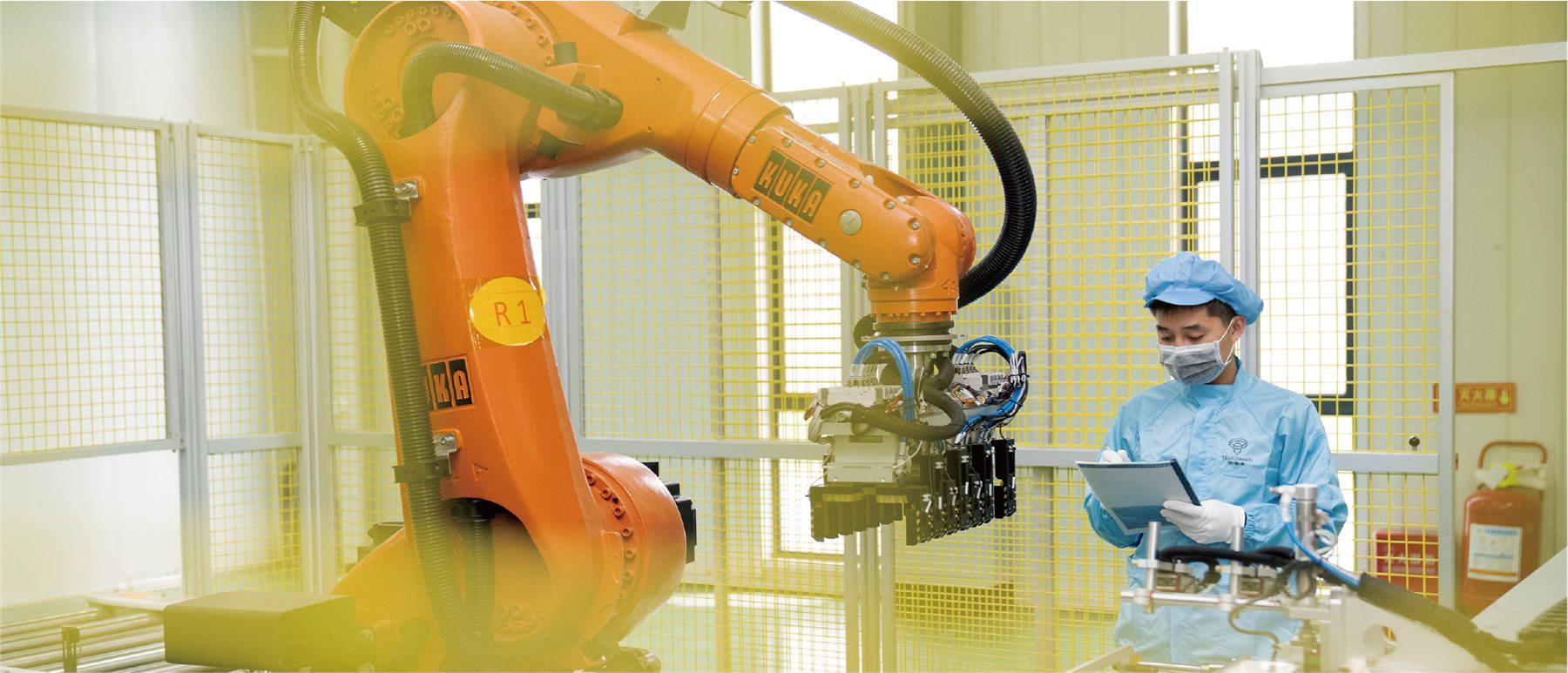
Where the product and destination-market certification route allow it, the buyer’s brand can be added through a brand-derivative or private-label filing connected to the existing factory certificate structure.
This normally avoids repeating every test from the beginning. The buyer may still need to pay for brand filing, documentation, label work, and related administration, but the cost is much lower than developing and certifying a completely new product.
The exact route depends on:
- Product model
- Certificate type
- Certification body
- Destination country
- Whether the buyer changes any technical feature
- Whether the project requires the customer to become the certificate holder
The original manufacturer remains visible
Under this arrangement:
- The Chinese factory remains the manufacturer.
- The manufacturer information cannot simply be removed from the nameplate.
- The buyer can appear as the brand owner or brand customer where the applicable scheme permits it.
- The wording on the nameplate, certificate, packaging, and import documents must be checked for the target market.
This distinction matters. A customer may own the market-facing brand without becoming the original manufacturer of the battery or inverter.
The product platform must remain stable
A 100-unit private-label project normally works when the buyer uses a mature product and changes:
- Logo
- Label design
- Packaging
- Manual language
- Approved sales documents
The buyer should not expect to change the internal BOM, battery cells, hardware, BMS parameters, or firmware under the same low-MOQ arrangement.
If those elements change, the derivative filing may no longer cover the product. The buyer may need a new technical assessment, new testing, or a different certification route.
Lower cost and shorter lead time
A mature platform reduces the work required for:
- Engineering design
- Production setup
- Testing
- Documentation
- Operator training
- Spare-parts preparation
That is why a 100-unit order can be commercially workable in some cases. It does not mean that every product, every market, or every customization request can be handled at 100 units.
What cannot be changed in a 100-unit private-label project?
The following boundaries should be agreed before the quotation:
- Manufacturer information cannot be removed from the product label when it is required by the applicable documentation or certification route.
- Internal hardware cannot be changed casually.
- The approved BOM must remain stable.
- BMS parameters cannot be changed without technical review.
- Firmware and communication logic cannot be changed as if they were packaging artwork.
- A change that affects the certified configuration may invalidate the existing derivative arrangement.
- The changed product may require new testing or certification.

This is where many low-MOQ discussions go wrong. A buyer asks for a private label, then adds a list of engineering changes that turns the order into a new product development project.
Why CVC can make a 100-unit customization project work
The difficult part of a 100-unit private-label order is rarely the logo. It is finding a mature product, a suitable factory, a workable certification route, and a production team willing to manage the details for a smaller run.
CVC ENERGY, through its OEM/ODM coordination service, has more than 12 years of international sales experience, cooperation with more than 10 energy storage manufacturing partners, and experience supporting more than 100 projects in markets around the world. That network gives CVC a practical way to match a buyer's request with the right factory and product platform.
We do not treat every request as a generic catalog order. CVC reviews the target market, battery and inverter configuration, branding requirements, documents, sample plan, and expected repeat orders. We then coordinate with the appropriate manufacturing partner so the factory can make the approved changes within the limits of the selected platform.
This is what makes a 100-unit project workable. The buyer does not need to manage several factories, translate every technical request, or guess which private-label route a certificate can support. CVC coordinates the commercial and technical discussion, while the manufacturing partner remains responsible for the agreed production scope.
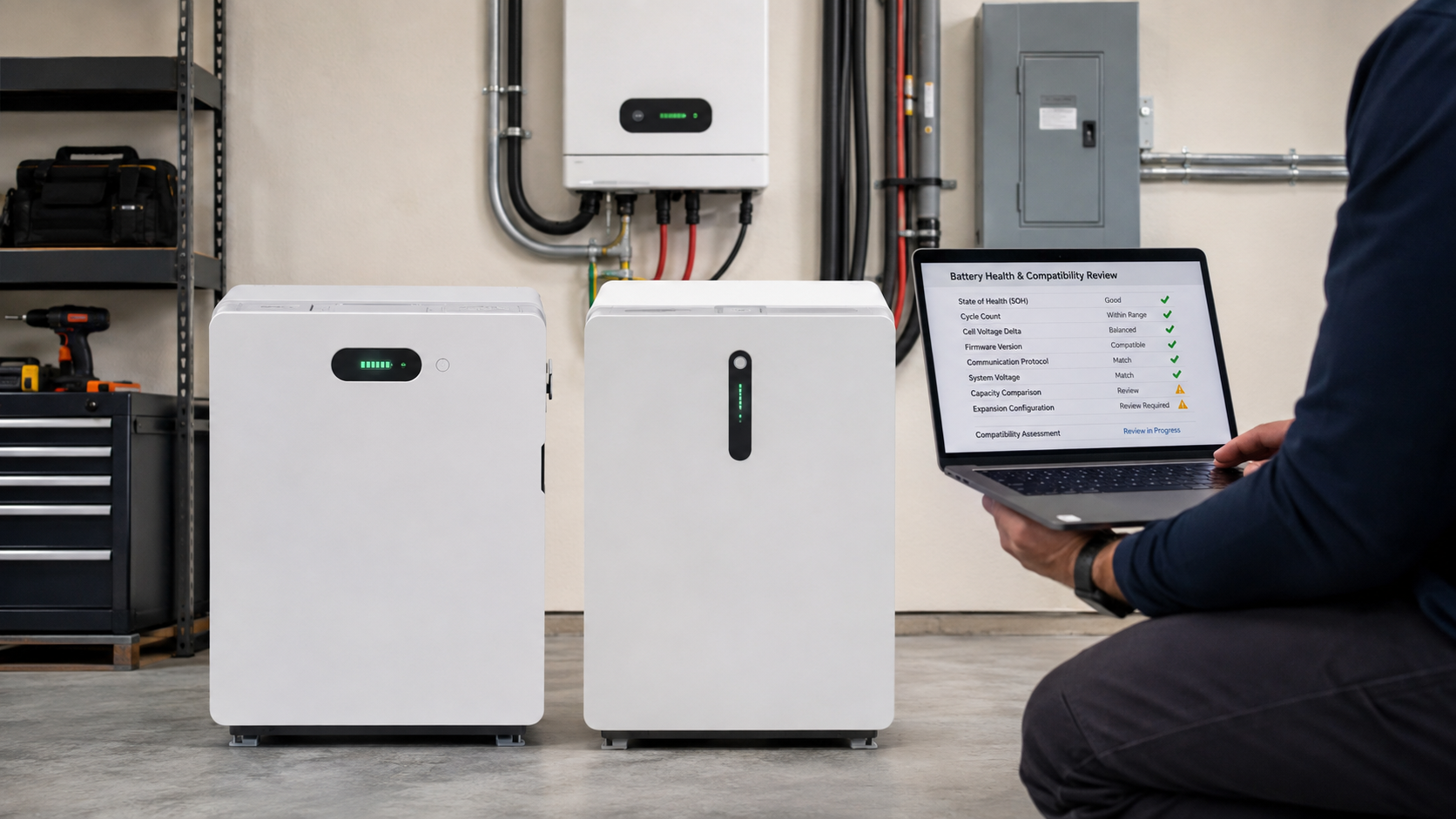
The result is not unlimited customization. It is a controlled private-label process: use a proven model, define what will change, keep the certified configuration stable, validate a sample, and give the factory a clear production brief.

When is private label not the right choice?
You only have 100 units and no repeat-order plan
If the order is a one-time purchase with no realistic follow-up, the cost of brand work, packaging, documents, and filing may not be justified.
Factory-brand distribution may be the better option for a short market test.
You do not want to pay any upfront cost
Even a simple private-label project may involve:
- Brand and label preparation
- Packaging artwork
- Manual revision
- Sample approval
- Filing or administration
- Market-specific documentation
A buyer who wants zero setup cost should compare private label with factory-brand purchasing before making a decision.
You only serve the United States market
The United States can be more restrictive for private-label energy storage projects because certification, import, labeling, and project requirements may be closely connected.
A low-MOQ route that works for a particular European, Southeast Asian, or Middle Eastern product may not work in the United States. The exact product, certificate, importer, and project use case must be reviewed before the supplier confirms a private-label path.
You need deep customization but still expect a 100-unit price
If the project includes a new cell brand, modified BMS, new enclosure, new firmware, EMS integration, or a different certification holder, it is no longer a simple private-label order.
The engineering and compliance work needs to be priced as a full OEM or ODM project.
Private label or full OEM: a practical decision checklist
| Your situation | More suitable route |
|---|---|
| You want to test a market quickly | Factory brand or private label |
| You have a stable channel and long-term brand plan | Private label or full OEM |
| You only need a logo and new packaging | Private label |
| You need to change the BOM, hardware, or BMS | Full OEM |
| You need a different certification holder | Full OEM or a new compliance assessment |
| You need special cooling, grid, or EMS functions | Full OEM or ODM |
| You want to start with a mature model at 100 units | Low-MOQ private label |
| You only serve the US market | Confirm the certification and import route first |
What should buyers send before requesting a quote?
A clear project brief saves time on both sides. Include:
- Target country and sales region
- Whether the order is for the US market
- Customer type and existing sales channel
- Planned quantity
- Expected repeat-order volume
- Battery capacity and voltage
- Target inverter model
- PV, backup, and generator requirements
- Logo and packaging requirements
- Required languages
- Certification or tender requirements
- Nameplate and brand-owner requirements
- Whether hardware, BOM, BMS, or firmware changes are requested
- Sample requirements
- Target delivery date
The most useful first message is not “What is your OEM MOQ?” It is a short description of the market, product, quantity, brand plan, and technical requirements.
Frequently asked questions
Can I start a home energy storage private-label order with 100 units?
For selected mature product platforms and suitable markets, CVC can support private-label projects from 100 units. The order must follow the existing product configuration and the applicable certification route.
Is a 100-unit private-label order the same as full OEM?
No. A 100-unit private-label project normally changes the brand presentation, packaging, and approved documents. Full OEM may involve changes to the hardware, BOM, BMS, firmware, enclosure, or certification ownership.
Can I change the battery cells or BMS in a private-label project?
Not under a simple private-label arrangement. Changes to cells, BOM, hardware, or BMS parameters require a separate technical review and may require new testing or certification.
Can the original Chinese manufacturer information be removed?
Not when the applicable product, certification, or import rules require the manufacturer to remain identified. The exact nameplate and document format must be confirmed for the target market.
Does low-MOQ private label work for the US market?
It depends on the product, certificate, importer, and project requirements. The United States may impose stricter conditions than some European, Southeast Asian, or Middle Eastern markets.
When should a buyer choose full OEM?
Choose full OEM when the business needs long-term brand ownership, hardware or firmware changes, special local-market functions, a different certification holder, or stronger control over the supply chain.
Need help choosing the right OEM/ODM path?
OEM and private-label projects involve more than adding a logo. The right route depends on your market, order plan, branding requirements, technical changes, battery-inverter configuration, and certification needs.
If you are considering a 100-unit private-label order, send CVC ENERGY:
- Your target country
- Product type and capacity
- Planned quantity
- Target inverter model
- Branding requirements
- Packaging and document needs
- Any hardware or firmware changes
- Certification or tender requirements
- Expected repeat-order plan
CVC can then help determine whether a factory-brand, private-label, full OEM, or ODM route is more appropriate for the project.
Discuss your OEM/ODM requirements
Learn more about OEM/ODM energy storage solutions

Peter Yin
Discuss your OEM/ODM requirements
Tell us your target country, product platform, quantity, brand requirements and any requested technical changes.