
For many African households, the first question is not “how big can the battery be?” It is simpler: can one compact power station keep the essentials running when the grid is weak, unstable or unavailable?
A 1kWh portable power station can be enough for basic home backup needs, especially lighting, phone charging, Wi-Fi, a small fan, a laptop, a small TV or short-term DC appliance use. It is not enough for heavy loads such as electric kettles, irons, large refrigerators, water pumps, air conditioners or full-home backup.
A 1kWh system is not a complete residential energy storage system. But for many families, small shops, rural households and mobile workers, it can be the right first step into solar backup power.
For a portable model comparison, see the APEXC-GS1020 2000Wh portable power station and match its output and capacity to the essential-load list.
What Does 1kWh Actually Mean?
1kWh means the battery stores about 1,000 watt-hours of energy. In real use, the usable energy is usually lower because of inverter loss, battery protection settings and the type of appliance being powered.
| Example load | What 1kWh usually means in practice |
|---|---|
| LED lights | Good fit for evening lighting and short outage backup. |
| Phone, tablet and laptop charging | Good fit for communication and remote work needs. |
| Small fan or Wi-Fi router | Possible when runtime expectations are controlled. |
| Kettle, cooker, pump or air conditioner | Usually not a suitable 1kWh portable power use case. |
So the key is not only battery capacity. You also need to check rated output, peak output, charging method and the appliance list.
Where a 1kWh Portable Power Station Fits African Homes
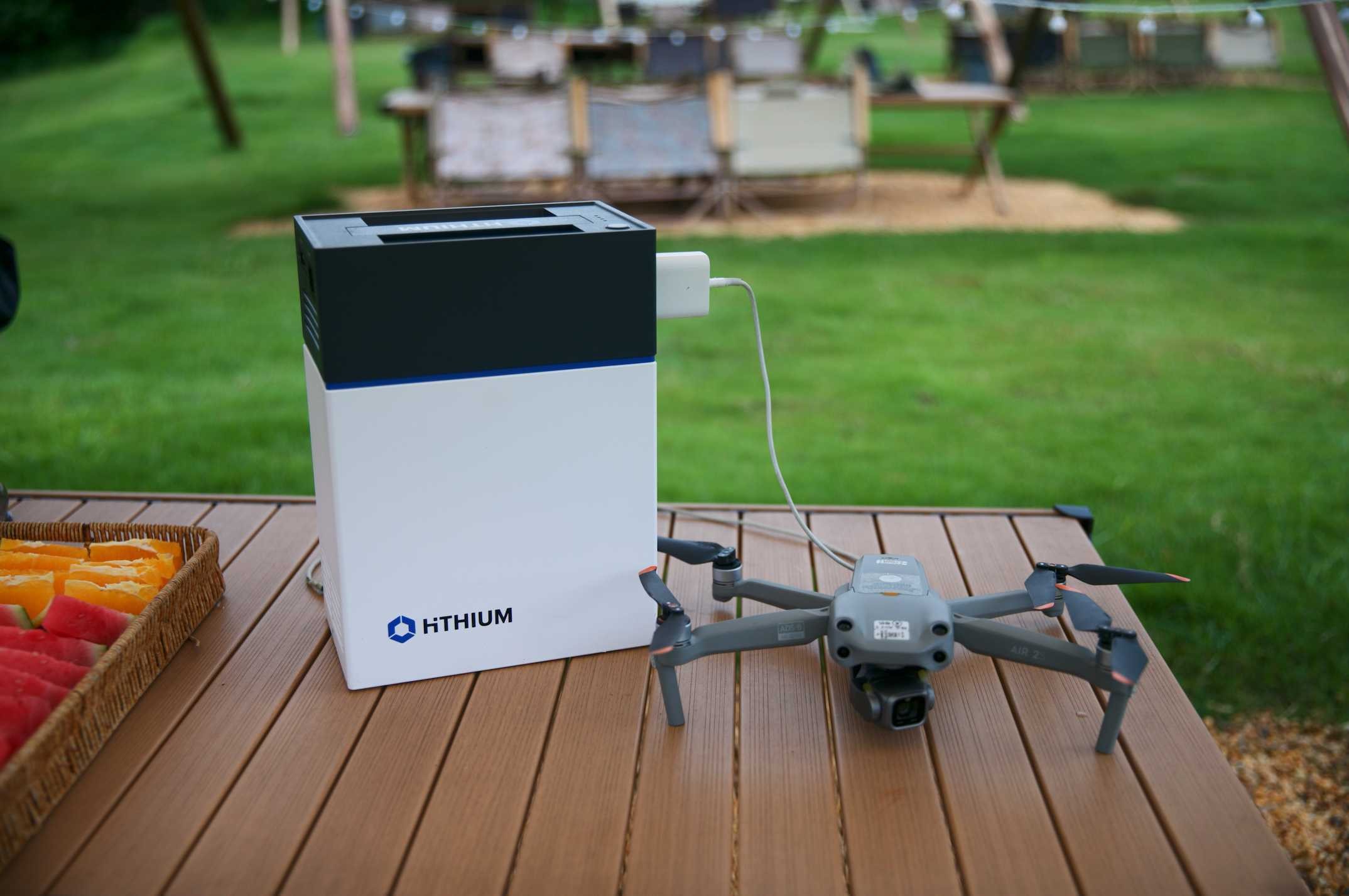
In many African markets, household power demand is not always about running every appliance. The real need is often backup for daily essentials.
Basic home backup
Evening lighting, phones, Wi-Fi, small fans and a small TV during grid outages.
Solar charging
Useful where grid access is unstable and the household can recharge from PV during the day.
Small business use
Mobile work, field service, small trading use and communication backup.
For households that mainly need lights, communication and a few low-power appliances, a 1kWh portable power station can be practical, affordable and easy to deploy. For a wider market view, see our Africa home energy storage solutions page.
Where 1kWh Is Not Enough
A 1kWh portable unit is not designed to carry large home loads for long periods. It should not be positioned as a complete replacement for a residential battery system.
- Air conditioners
- Electric kettles and electric cookers
- Large refrigerators or freezers running overnight
- Water pumps
- Washing machines
- Whole-home backup circuits
- Long backup time for multiple appliances at the same time
If these loads are part of the requirement, the project should move from portable power to a larger home battery and inverter solution.
How to Estimate Whether 1kWh Is Enough
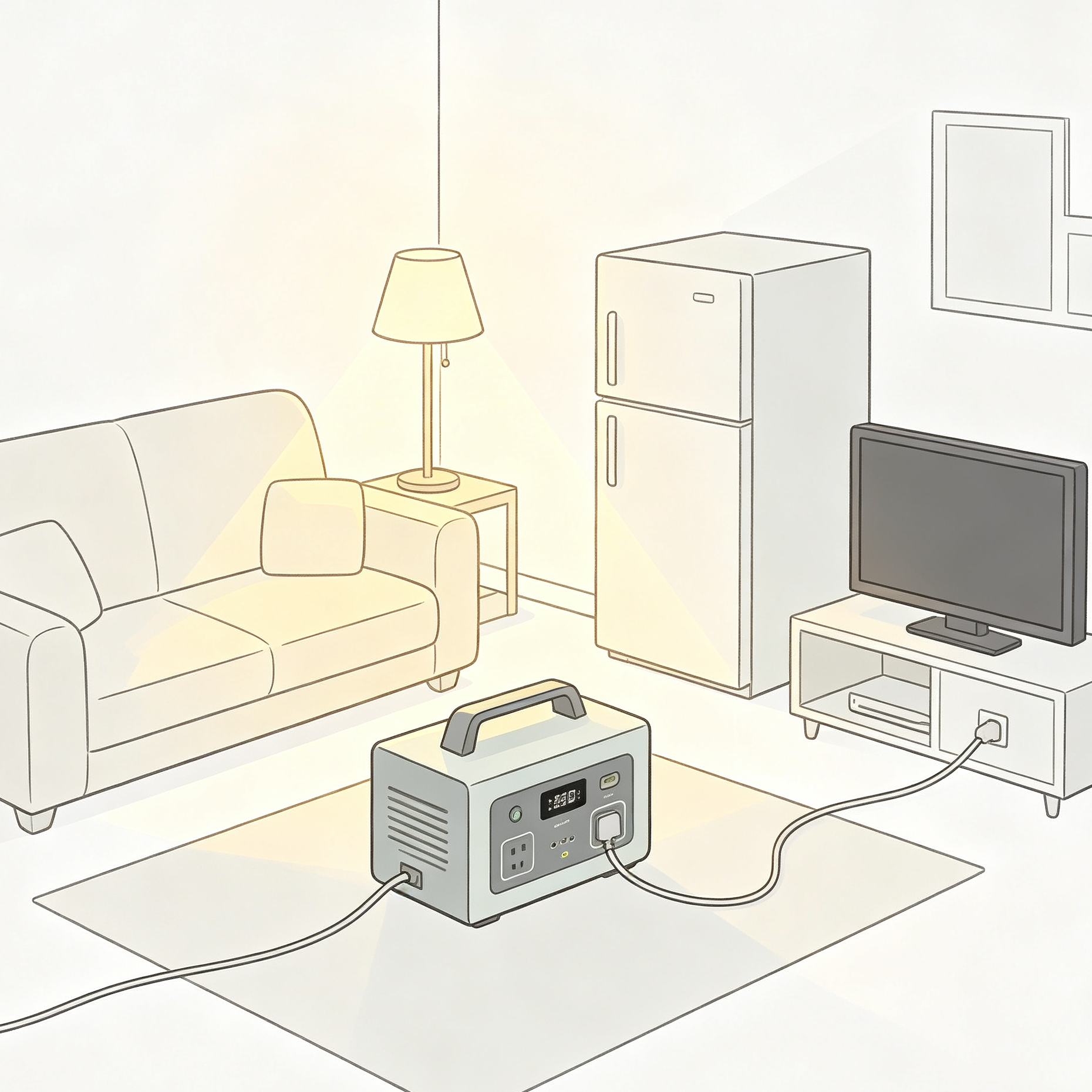
Before recommending any battery, start with the actual load list. This is how installers, distributors and project buyers should qualify demand.
- List the appliances the household wants to power.
- Check the wattage of each appliance.
- Estimate how many hours each appliance will be used.
- Multiply watts by hours to estimate watt-hours.
- Add a margin for inverter loss and real-world usage.
Example: 4 LED lights for 5 hours, one Wi-Fi router for 8 hours, two phones, one fan for 5 hours and a small TV for 3 hours may reach about 800Wh before system loss. In this kind of case, a 1kWh portable power station may work, but there is not much extra room.
Why Portable Power Can Be a Good Starting Product for Africa
For African distributors and installers, 1kWh portable power products can serve a clear entry-level market. They are easier to explain, easier to transport and usually easier for first-time solar backup buyers to understand than a full home storage system.
They are also useful where customers are still testing solar backup for the first time. A household may begin with a portable power station for lights and communication. Later, if the user wants refrigerator backup, longer autonomy or solar self-consumption, the conversation can move toward a larger battery and inverter system.
This makes portable power more than a small product. It can be an entry point into a wider home energy storage product portfolio.
Recommended CVC Energy Product Direction
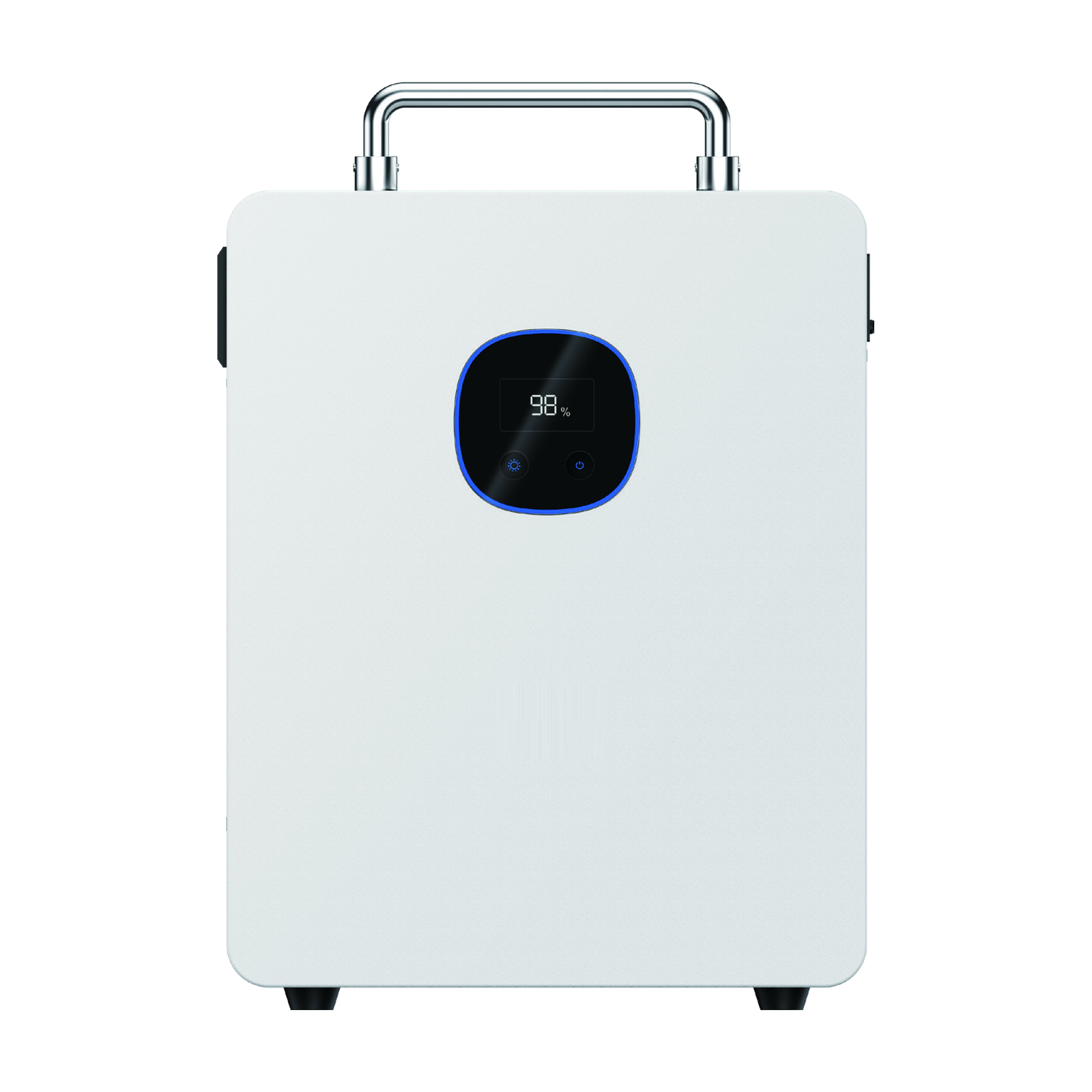
For this 1kWh use case, CVC Energy mainly recommends the Portable Power series, especially compact LiFePO4 portable power station models for home backup, outdoor power, mobile work and solar charging.
- 1kWh portable power station for basic household backup
- Portable power tank products for controlled AC, DC and solar charging applications
- Mobile power models for field work, camping, small shops and emergency power
For buyers who need longer backup time, refrigerator support, larger solar input or multi-room household use, CVC Energy can also provide larger home battery solutions, including 5kWh-class and above LiFePO4 batteries matched with inverter solutions. Those are the next-level solution, not the main recommendation inside a 1kWh article. You can start from our portable power product collection when the customer need is around compact backup power.
What Distributors Should Ask Before Recommending a 1kWh Unit
To avoid overselling, distributors should ask a few practical questions before making a recommendation:
- Which appliances must keep running during an outage?
- How many hours of backup does the household expect?
- Will the system be charged by grid power, solar panels or both?
- Does the customer need AC output, DC output, USB output or all of them?
- Will the product be used indoors, outdoors or for mobile work?
- Is this a first purchase, or part of a larger solar storage plan?
These questions help match the right model, prevent unrealistic expectations and create a better sales experience. For model comparison and first-round sales material, distributors can also check our product downloads before requesting a quote.
So, Is 1kWh Enough?
Yes, a 1kWh portable power station can be enough for an African home when the goal is essential backup: lights, phones, Wi-Fi, a small fan, a laptop or short evening use.
No, it is not enough for whole-home backup, heavy appliances or long runtime across multiple loads.
For many African households, that middle ground is exactly where the opportunity sits. A well-matched 1kWh portable power station gives families a practical backup option today, while leaving a clear upgrade path toward larger home energy storage systems tomorrow.
CVC Energy supplies portable power stations and home energy storage solutions for distributors, installers and project buyers. If you are evaluating a real project, you can also review our project cases before you send a 1kWh portable power inquiry.

Peter Yin
Send a 1kWh Portable Power Inquiry
Tell us your country, expected loads, charging method and estimated quantity. We can help you confirm whether a 1kWh portable power station is enough, or whether your customer needs a larger home battery and inverter solution.