
A 1,000Wh portable power station can keep a router online for days, yet shut down the moment a refrigerator compressor tries to start. That result surprises buyers because they are looking at the same battery number.
The battery number is only one part of the answer. A router needs a small, steady stream of power. A refrigerator or water pump may need a much larger burst for a fraction of a second. If the inverter cannot deliver that burst, the appliance will not start, no matter how much energy remains in the battery.
For a quick check, remember this:
- Wh tells you how much energy is stored.
- W tells you how much power a device needs while it is running.
- Peak W tells you whether a motor or compressor can start.
The router looks impressive because its load is small
The TP-Link TL-MR6400 uses a 12V/1A external power supply. Using the adapter rating as a planning upper bound:
12V × 1A = 12W
If we use an illustrative 850Wh of usable energy from a 1,000Wh station:
850Wh ÷ 12W = 70.8 hours
The real result will be lower because of conversion losses, reserve settings and operating conditions. Even so, the router is an easy load. It has no large compressor or pump motor waiting to draw a sudden starting current.
This is why a 1,000Wh station can run a router for a very long time. The battery is doing a low-power job.
A refrigerator asks a different question
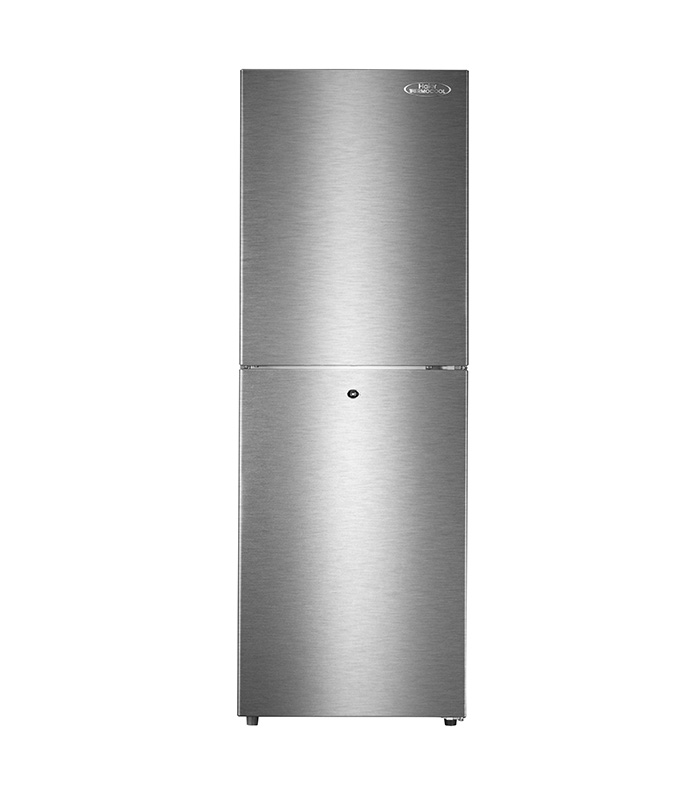
The Haier Thermocool HRF-250BLUX is a useful real-world reference for the Nigerian market. The manufacturer lists a 215L net volume, 200W input and a 220–240V/50Hz supply. Review the model on the official Thermocool product page.
A normal household refrigerator uses the AC route:
Battery DC → inverter → AC socket → refrigerator plug
If the refrigerator consumed 200W continuously, the same 850Wh planning figure would give:
850Wh ÷ 200W = 4.25 hours
That is a planning estimate, not a field guarantee. Refrigerators cycle. The compressor starts, runs, stops and starts again. Room temperature, door openings, food load and ventilation all change the average consumption.
The more important question comes before runtime: can the inverter start the compressor?
The 200W input figure describes the appliance’s listed input. It does not automatically tell you the compressor’s starting requirement. A 500W inverter may look adequate for a 200W running load and still trip when the compressor starts. Check the refrigerator manual, measure the actual unit with a suitable power meter, or request a verified startup test.
A pump can fail for the opposite reason
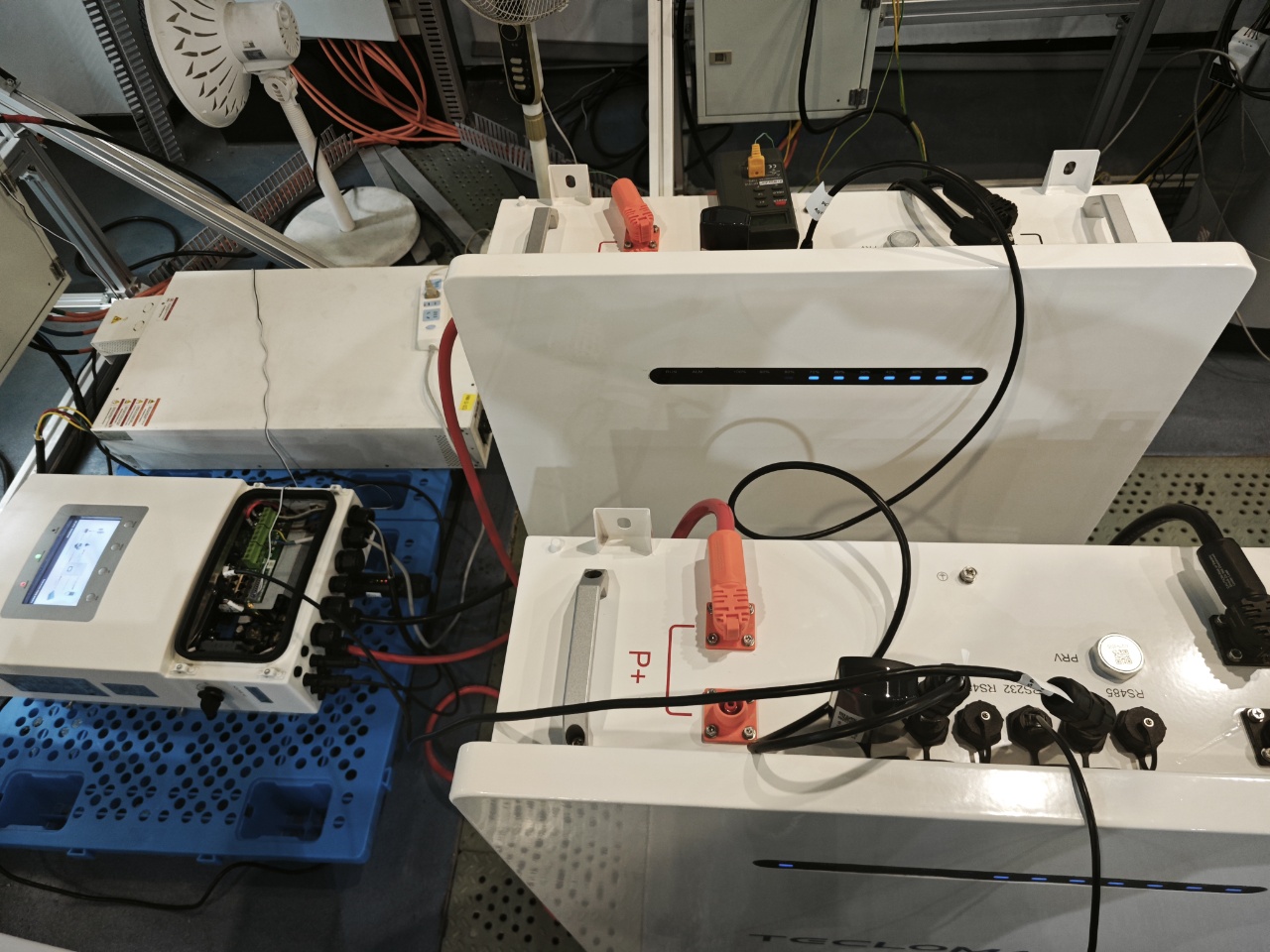
The Pedrollo NGAm 1A reference is a 1HP-class, single-phase 230V pump in the approximately 0.75kW range. That is about 750W before starting demand is added.
A pump that runs for five minutes still needs the inverter to start it. Short runtime reduces the required watt-hours. It does not reduce the motor’s starting current.
For a pump, check the rated motor power, rated current, starting method, starting or locked-rotor current, water head, operating pressure, cable length and which other devices will run at the same time.
A supplier who checks only the pump’s average wattage is skipping the part most likely to cause a failed test.
Three real loads, three different calculations
| Reference load | Planning figure | What it tells you |
|---|---|---|
| TP-Link TL-MR6400 router | 12W adapter rating | Low continuous energy demand |
| Haier Thermocool HRF-250BLUX | 200W input | Normal AC running reference, not compressor surge |
| Binatone A-1691 MK2 fan | 55W planning value | Moderate continuous motor load |
| Pedrollo NGAm 1A pump | Approximately 750W | Large continuous and starting demand |
Router only
850Wh ÷ 12W = 70.8 hours
This is the easiest scenario. The adapter rating is an upper-bound reference, not proof that the router consumes 12W every minute.
Refrigerator, fan and router
Using the reference figures:
200W + 55W + 12W = 267W
The continuous-load equivalent is:
850Wh ÷ 267W = 3.18 hours
The refrigerator may run longer in practice because the compressor cycles. The calculation still helps you compare the load against the battery and inverter. The compressor startup check remains mandatory.
Add the pump
200W + 55W + 12W + 750W = 1,017W
The combined running reference is already above 1kW before refrigerator or pump startup is considered. A 500W portable power station is not the right configuration for this load set.
Capacity and inverter output are two separate gates
Buyers often pass the first gate and forget the second.
Gate one: stored energy
Use:
Runtime estimate = usable battery energy ÷ actual average load
Nominal energy is the number printed on the product label. Usable energy is affected by reserve settings, battery temperature, inverter efficiency and protection limits.
Gate two: output power
Use:
Continuous AC output ≥ loads running togetherPeak AC output ≥ the largest startup event
A 1,000Wh battery with a 500W inverter is still a 500W AC source. The larger capacity may give longer runtime for a small load, but it does not turn the inverter into a 1,000W unit.
What the REVO MP 1000Wh example tells us
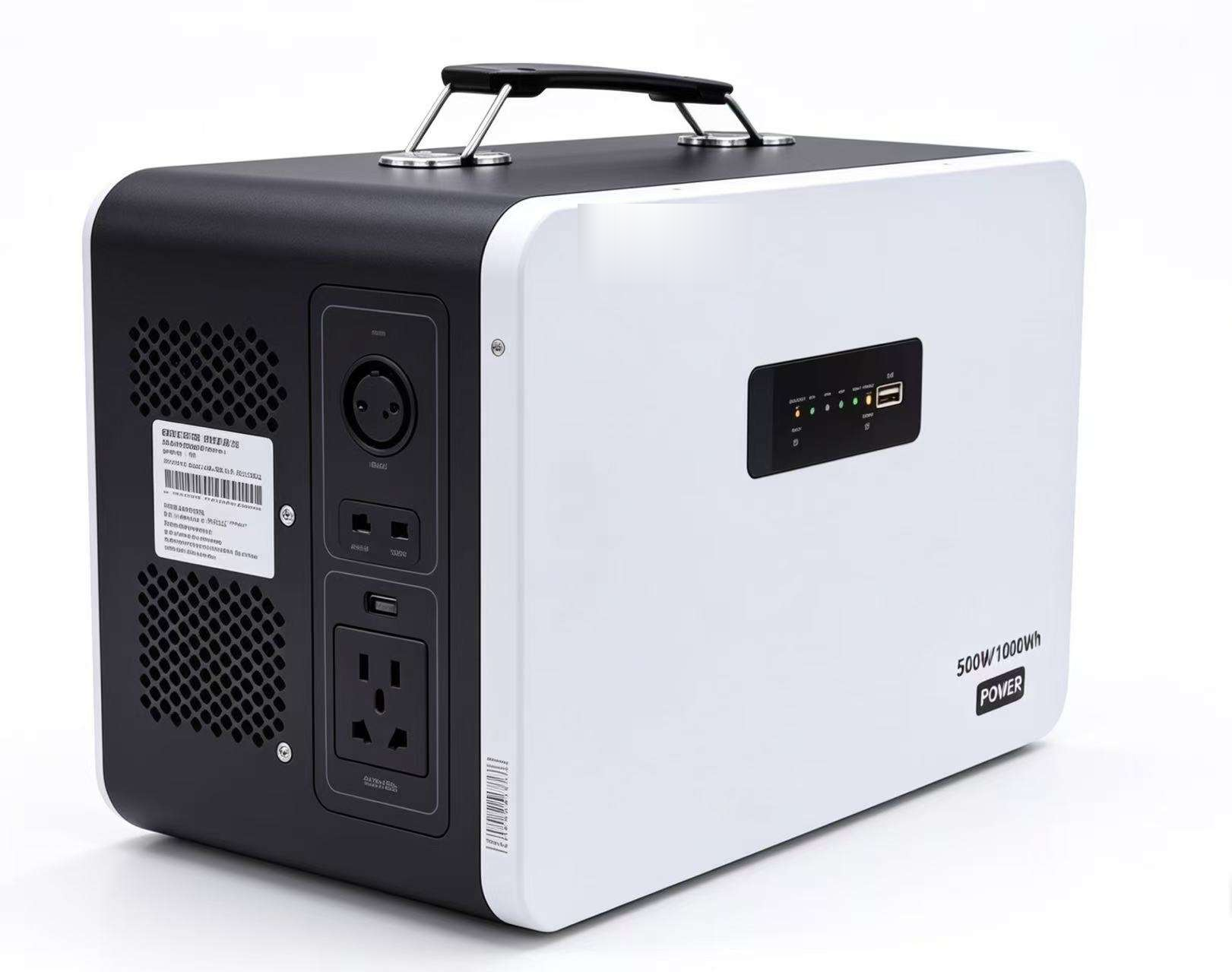
The REVO MP 1000Wh is included as one product example, not as the subject of the article. Its published product information lists 1,000Wh battery energy, 500W rated AC output, pure sine wave output, 230VAC ±5% output, 90–280VAC AC input, LiFePO4 chemistry and 6,000 stated cycles.
Against the 267W refrigerator, fan and router running reference, the listed load is below the 500W rated output. That still does not prove that every refrigerator will start. The compressor’s startup requirement must be compared with the station’s peak output.
For a visual look at this product example, you can also watch the REVO MP product demonstration on YouTube.
Against the approximately 750W pump, the pump already exceeds the 500W continuous rating. The problem is output capability, not just battery capacity.
For another model, replace these figures with its own usable energy, rated output, peak output, waveform, DC limits and temperature range. The method stays the same.
AC and DC are not interchangeable
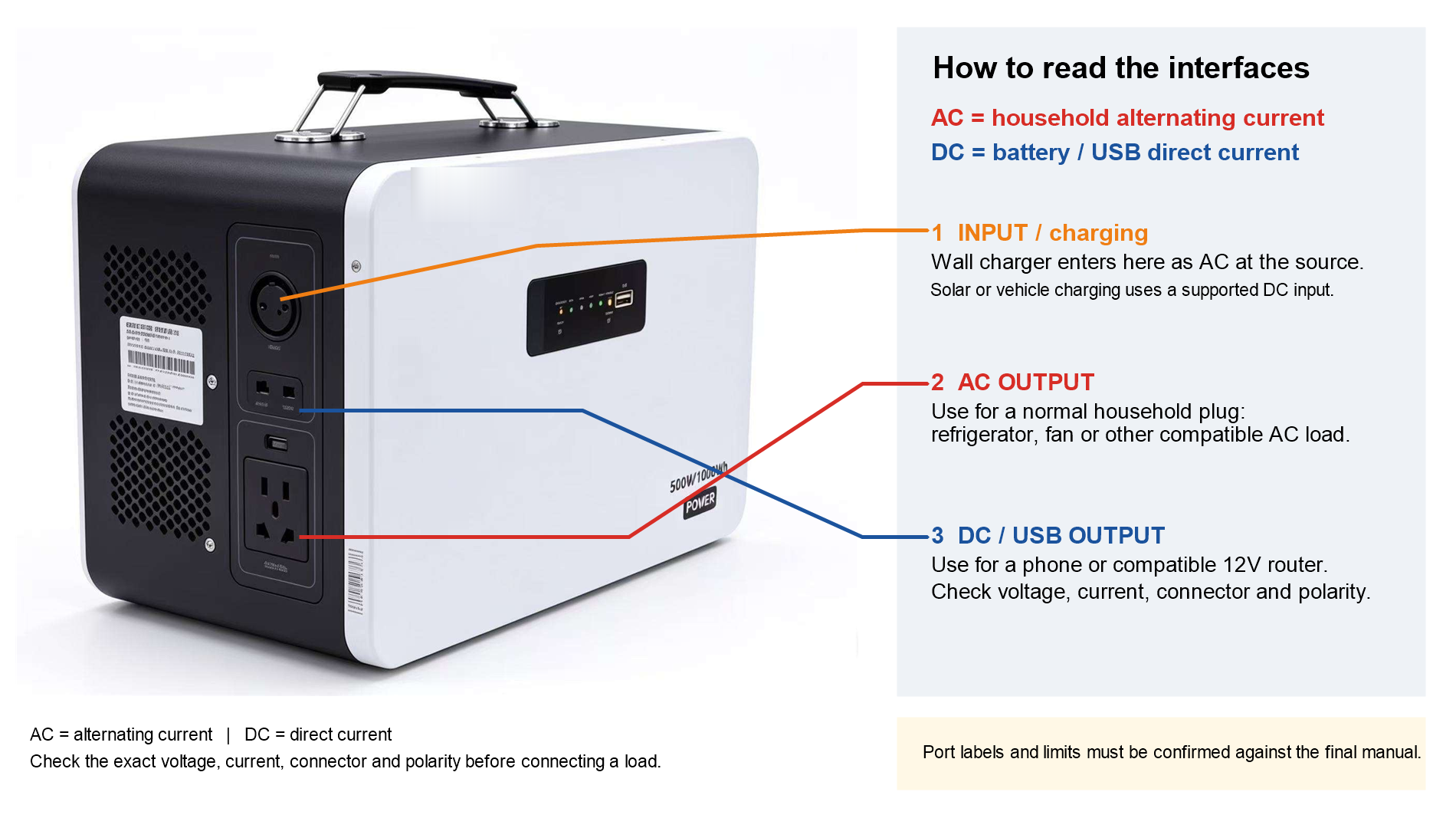
AC means alternating current. It is the type of electricity normally supplied by a household wall socket. A conventional refrigerator, household fan and most domestic pumps use the AC output socket on a portable power station.
DC means direct current. The battery stores DC energy, and USB ports, car batteries and many network devices use DC power. A phone connected to a USB port is using DC. A 12V router can use direct DC only when voltage, current, connector size and polarity all match.
For AC:
Battery DC → inverter → household AC socket → appliance
For compatible DC:
Battery DC → regulated DC output → router or 12V/24V device
Do not choose a cable because it fits. If the voltage, current or polarity is wrong, a physically compatible plug can still damage the device.
Watch for low-current auto-shutdown
A refrigerator may stop drawing power after the compressor reaches temperature. A router may draw very little power. Some portable power stations use low-current auto-sleep and may turn off the AC output when the load falls below a set threshold.
Before quoting a model for a cycling appliance, confirm whether it supports continuous AC output, low-power mode or app-based shutdown control. This small setting can decide whether the refrigerator stays protected throughout the night.
Choose the power station from the appliance list
Do not begin with “I want a 1,000Wh unit.” Begin with the equipment:
- List the appliances that must run together.
- Record the model number and nameplate data.
- Mark every compressor, pump and motor.
- Check the total running load.
- Check the largest startup event.
- Calculate usable energy for the required hours.
- Confirm charging input, plug type, temperature and low-load behavior.
For a broader discussion of lights, fans and routers, read CVC’s portable power station runtime guide. For product comparison, visit the portable power product collection.
Send these details before requesting a quotation
Send the appliance brand and model, a nameplate photo, rated watts or amps, motor or compressor information, required backup hours, appliances that may run simultaneously, AC or DC connection, destination country, plug requirement and expected order quantity.
Send the list to CVC if you need a matching review. We can then compare the capacity, continuous output, peak output and connection path against the actual appliance set.
Frequently asked questions
Can a 1,000Wh portable power station run a refrigerator?
It may, but the refrigerator’s running load, compressor startup demand, the station’s continuous output and its peak output must all be checked.
Can a 500W power station run a 750W water pump for five minutes?
The short runtime does not solve the output problem. A 750W pump already exceeds the 500W continuous rating before startup demand is added.
Is 850Wh the same as 1,000Wh?
No. 1,000Wh is the headline battery energy. 850Wh can be used as an illustrative planning figure after allowing for reserve and conversion losses.
Is direct DC power always better?
Direct DC can avoid an inverter conversion step, but voltage, current, connector, polarity and regulation must match.
What should I send for a product matching review?
Send the appliance models, nameplate photos, required hours, simultaneous-load plan and destination market.

Peter Yin
Match the power station to your real appliance list
Send the appliance models, nameplate photos, required backup hours, simultaneous-load plan and destination market. We can help you compare capacity, continuous output, peak output and the connection path before you request a quotation.